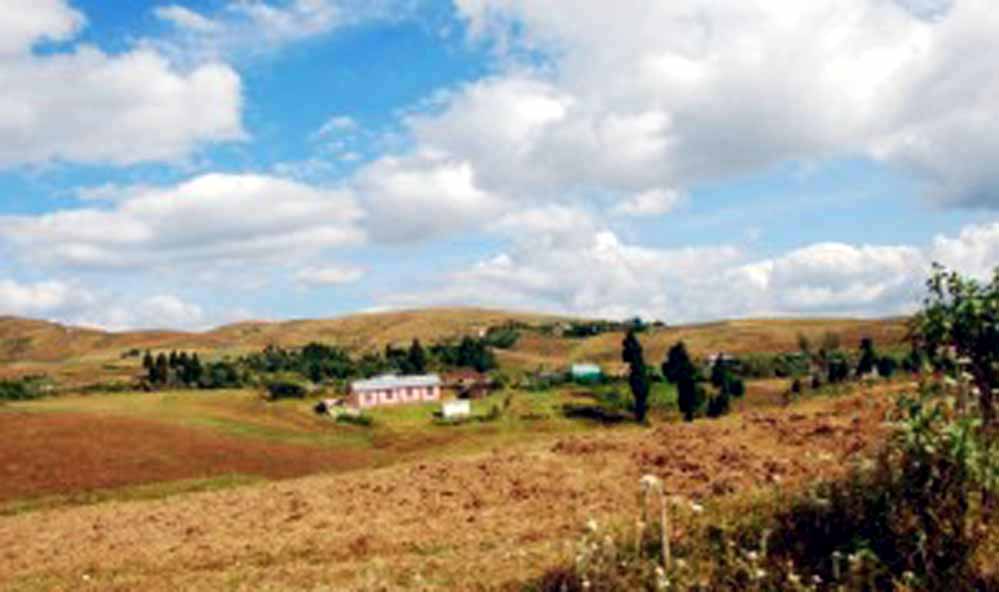
Where Ancient Traditions Meet Breathtaking Landscapes
Eleven kilometers from Shillong, along the winding Shillong-Jowai Road, lies a village that serves as the beating cultural heart of the Khasi Hills. Smit Village—known locally as the cultural center of East Khasi Hills—is far more than a picturesque stop along a scenic highway. It is a living repository of Khasi traditions, a seat of indigenous governance, and a gateway to some of Meghalaya's most stunning natural wonders. For travelers seeking authentic cultural immersion beyond the usual tourist circuits, Smit offers what few places can: a genuine connection to centuries-old customs practiced today with the same reverence as generations past.
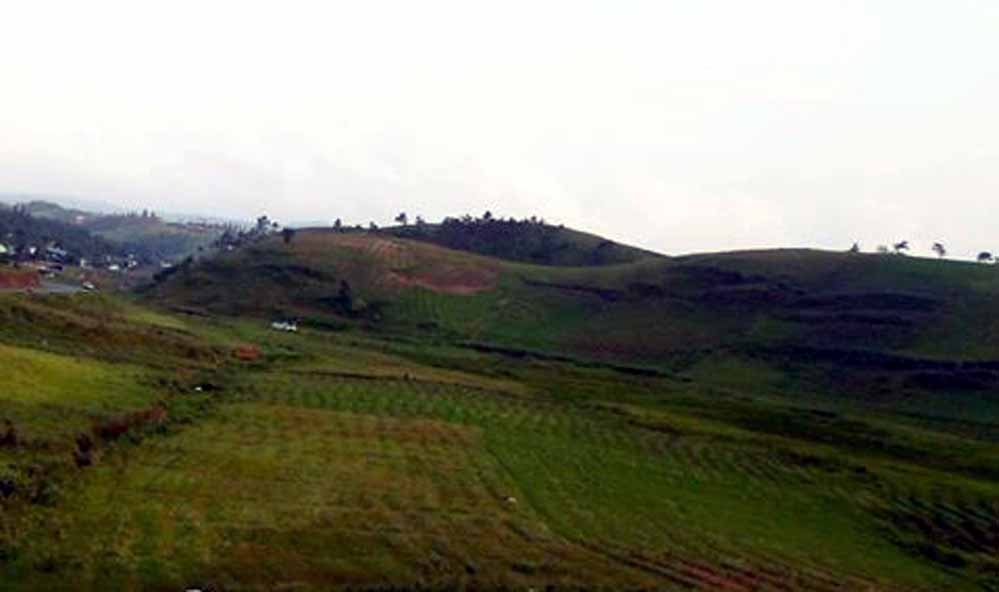
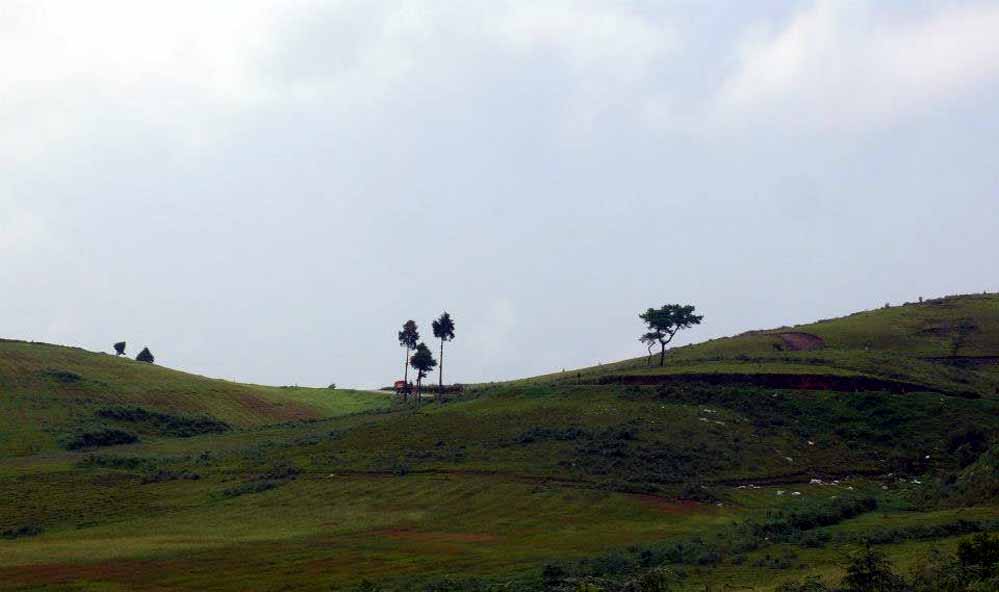
While Shillong draws crowds with its colonial charm and modern amenities, Smit remains refreshingly unhurried—a pollution-free village where terraced fields cascade down hillsides, traditional bamboo houses dot the landscape, and the rhythm of life follows patterns established long before roads connected these mountains to the outside world. Yet Smit is no museum piece frozen in time. It is a vibrant community where ancient Syiemship governance continues under the Sixth Schedule of the Indian Constitution, where the spectacular Nongkrem Dance Festival draws thousands annually, and where village markets pulse with life every eighth day.
The Hima Khyrim: A Kingdom Within the Indian Republic
To understand Smit's significance, one must first grasp the unique political and cultural structure it represents. Smit serves as the headquarters of Hima Khyrim, one of the traditional Khasi states (or Himas) that predates British colonialism and continues to function alongside modern democratic governance. The word Hima roughly translates to "kingdom" or "chieftaincy," and the Khyrim state is one of approximately 25 such entities in Meghalaya that maintain traditional governance structures.
At the apex of this system sits the Syiem—a hereditary ruler who holds both administrative and spiritual authority within the community. The Syiem of Hima Khyrim resides at Ing Sad, the traditional palace in Smit, a structure that stands as both administrative center and cultural symbol. Built using traditional Khasi architectural techniques, the Ing Sad exemplifies sustainable construction methods passed down through centuries, incorporating locally sourced materials like bamboo, wood, and stone.
What makes this system particularly fascinating is its continued relevance in modern India. Under the Sixth Schedule of the Indian Constitution, tribal areas in the Northeast—including Meghalaya's Khasi Hills—enjoy special autonomous status. Traditional Khasi institutions retain authority over matters including land management, customary law, and cultural preservation. The Syiem, therefore, is not merely a ceremonial figurehead but an active participant in community governance, working alongside elected democratic bodies.
This dual system creates a unique governance model where age-old customs coexist with constitutional democracy. In Smit, one can witness both: panchayat meetings addressing infrastructure needs and traditional assemblies (durbars) resolving disputes according to customary law. It is this living tradition of indigenous self-governance that makes Smit culturally significant beyond its scenic beauty.
Nongkrem Dance Festival: Meghalaya's Most Celebrated Cultural Event
If there is a single event that has brought Smit to national and international attention, it is Ka Pomblang Nongkrem—more commonly known as the Nongkrem Dance Festival. This five-day religious and cultural extravaganza, held annually in November, represents the pinnacle of Khasi cultural expression and has gained recognition as one of Northeast India's most important indigenous festivals.
The festival's origins lie deep in Khasi animistic traditions centered on Ka Niam Khasi, the indigenous faith that predates the region's subsequent Christianization. The celebration honors Ka Blei Synshar (the Supreme Goddess) and U Lei Shillong (a deity associated with the sacred Shillong Peak), offering thanksgiving for bountiful harvests and seeking blessings for continued prosperity. According to the Government of Meghalaya, the festival also solemnizes the evolution of the Khasi Democratic States, linking spiritual practices with political history.
The festival unfolds across five meticulously structured days, each with specific rituals and ceremonies:
Days 1-3: Preparatory Rituals The opening phase involves elaborate preparations at the Syiem's residence. The royal family and priestesses conduct private ceremonies, preparing ritual objects and offerings. Community members gather gradually, transforming Smit from a quiet village into a bustling festival ground.
Day 4: Ka Pomblang Ceremony The fourth day features the festival's most solemn ritual—the ceremonial sacrifice of goats (Ka Pomblang literally means "goat killing ceremony of Nongkrem"). This ancient practice, performed by the high priestess in the presence of the Syiem and assembled community, follows strict protocols. The sacrificed animals are offered to deities, and portions are distributed among clan members, reinforcing social bonds and shared spiritual identity.
Day 5: The Grand Dance The festival culminates in the spectacular dance performance that gives the event its popular name. Two distinct dances occur:
Ka Shad Kynthei (Women's Dance): Young unmarried women dressed in traditional Jainsem (Khasi women's attire)—elaborate two-piece garments made of silk with intricate embroidery and adorned with gold and silver jewelry—perform graceful, measured movements. Their dance is characterized by slow, rhythmic swaying, with hands moving in prescribed patterns. The rare Tiew Lasubon flower traditionally adorns their crowns, though this endemic species has become increasingly scarce. The women's dance symbolizes purity, grace, and the central role of women in Khasi society.
Ka Shad Mastieh (Men's Dance): Men, wearing traditional Jymphong (a sleeveless coat) over dhoti-like lower garments, and adorned with colorful turbans and ceremonial swords, perform vigorous, energetic movements around the dancing women. Their dance is more dynamic, featuring leaps, sword flourishes, and complex footwork, representing protection and valor.
The dances occur in the courtyard of the Ing Sad palace, with thousands of spectators—both locals and tourists—gathered to witness the spectacle. Traditional musical instruments, particularly drums and flutes, provide accompaniment, creating a rhythmic soundscape that has remained unchanged for centuries.
According to GK Today, the Nongkrem festival not only preserves cultural heritage but serves as "a crucial touchstone for Khasi identity, reminding younger generations of their roots and instilling pride in their distinct cultural heritage." In 2025, the festival drew high-profile attendance including government officials and cultural dignitaries, underscoring its importance in Meghalaya's cultural calendar.
The Khasi People: India's Matrilineal Society
To fully appreciate Smit and its cultural significance, one must understand the unique social structure of the Khasi people—one of the world's largest surviving matrilineal societies. Unlike the patrilineal systems dominant across most of India and the world, Khasi society traces lineage, inheritance, and clan identity through the mother's line.
This matrilineal system has profound implications:
Property and Inheritance: The youngest daughter (Ka Khadduh) traditionally inherits the family property and ancestral home. This practice ensures that the family dwelling remains within the maternal lineage and provides security for aging parents, as the youngest daughter typically remains in the family home to care for them.
Surname and Clan Identity: Children inherit their mother's clan name (Kur). The Khasis have numerous clans, and clan identity determines various social relationships, including marriage restrictions (same-clan marriages are traditionally prohibited).
Residence Patterns: After marriage, husbands traditionally move to their wives' homes (matrilocal residence). While this practice has become more flexible in urban areas, it remains common in villages like Smit.
Women's Status: Khasi women enjoy considerable autonomy and decision-making power within households and communities. However, this matrilineal structure does not translate to matriarchy—political power and clan leadership have traditionally been male-dominated roles, even as property passes through female lines.
The BBC has documented this unusual system, noting that while Khasi women control property and inheritance, they still face societal pressures and gender expectations, creating a complex social reality that defies simple categorization.
In Smit, this matrilineal tradition is not merely an anthropological curiosity but a living social reality. Visitors observing village life will notice women's central roles in household management, agricultural decisions, and economic activities. The weekly market—a primarily female-dominated space—vividly illustrates women's economic agency in Khasi society.
Smit Weekly Market: Commerce and Community
Every eighth day (following a traditional octave-weekly cycle rather than the standard weekly calendar), Smit transforms into a bustling marketplace as the village's traditional haat or weekly market convenes. This market is far more than a commercial venue—it serves as the social and economic hub where community bonds are reinforced, news is exchanged, and cultural identity is affirmed through shared economic practice.
The market timing is crucial: arriving between 8 AM and 11 AM offers the best experience, before crowds swell and the day's heat intensifies. Vendors—predominantly women—spread their wares on the ground or simple stalls, creating a colorful tapestry of local products:
Agricultural Produce: Fresh vegetables grown in terraced fields, including indigenous varieties rarely seen in urban markets. Seasonal fruits, locally grown spices, and traditional Khasi crops like jyndiar (millet) feature prominently.
Traditional Crafts: Handwoven cane mats (tlieng), baskets, stools, and other bamboo products. The Khasis are renowned for cane weaving, and the mats produced here guarantee 20-30 years of utility—a testament to craftsmanship quality.
Sericulture Products: Silk produced through local sericulture (silk farming) practices. Meghalaya, particularly the Khasi Hills, has a growing silk industry, and Smit markets often feature raw silk and silk fabrics.
Traditional Food: Ready-to-eat traditional Khasi foods, including doh khlieh (pork salad), jadoh (rice cooked with meat), fermented foods, and local fish preparations. For culinary adventurers, the market offers authentic tastes rarely available in restaurants.
According to local tourism sources, the market operates largely on cash transactions, as many vendors remain unbanked. Visitors should bring small denomination notes for purchases. The market atmosphere is convivial rather than aggressively commercial—bargaining is minimal, and interactions emphasize community relationships over pure profit.
The Meghalaya Tour website notes: "The village square is the hub of all activity in Smit. The weekly markets are about much more than buying vegetables. People meet each other, exchange news, and maintain social bonds." For travelers, attending the market provides unparalleled insight into Khasi village economics and social dynamics.
Natural Wonders: From Smit to the Edge of the World
While Smit's cultural attractions dominate, its natural setting and proximity to spectacular landscapes make it equally compelling for nature enthusiasts.
Laitlum Canyon: Meghalaya's Grand Canyon
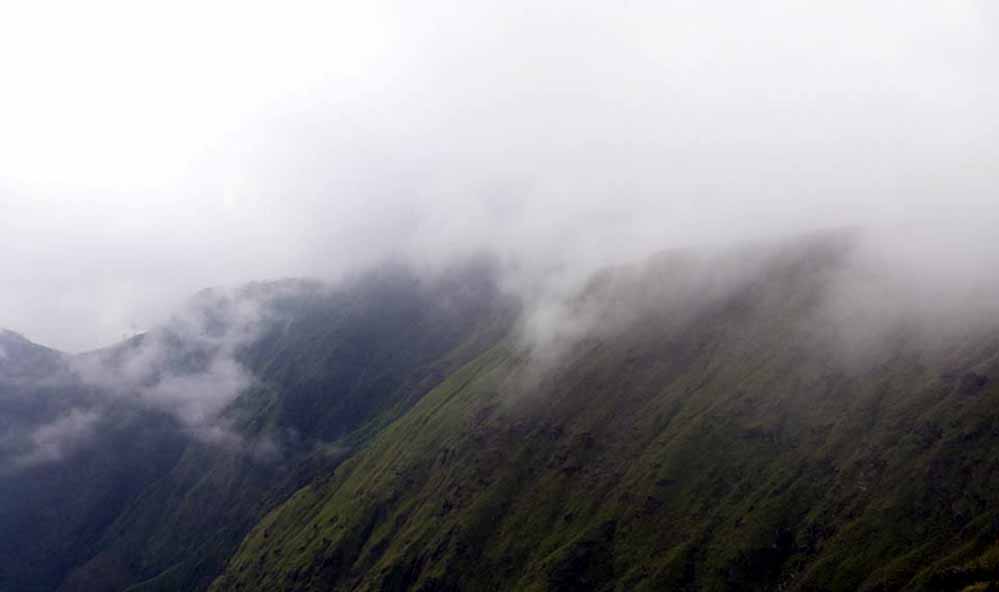
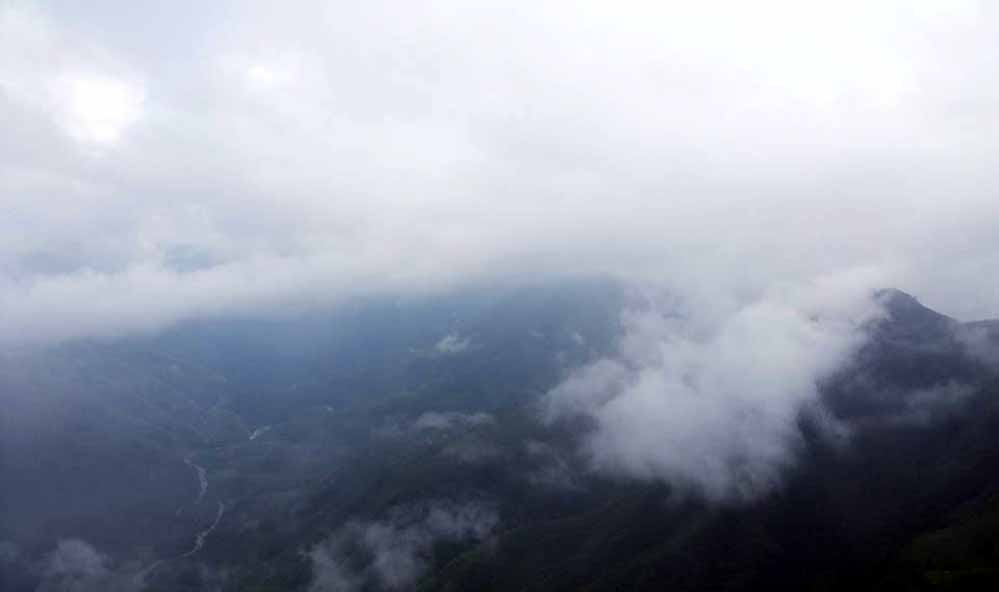
Just 5-8 kilometers from Smit lies Laitlum Canyon, one of Meghalaya's most photographed natural wonders. The name Laitlum translates from Khasi as "end of the hills," and standing at the viewpoint, one understands why. The canyon offers sweeping panoramic views of rolling hills, deep valleys, and distant Bangladesh plains. On clear days, the vista extends seemingly to infinity, with layers of blue-green hills fading into the horizon.
The Meghalaya Tourism portal describes Laitlum as featuring "wide spread meadows and stairways that snake down the valley." For the adventurous, trekking paths descend from the main viewpoint into the valley below, offering immersive experiences in pristine natural landscapes. The trek, taking 5-6 hours for a complete loop, passes through traditional Khasi villages, terraced fields, and dense pine forests.
Best visited in the afternoon (morning and evening fog often obscures views), Laitlum has no entry fee, making it accessible to all. The site has seen increasing tourist attention in recent years, with improved access roads and viewing platforms, yet it retains a largely undeveloped character.
Smit's Green Landscape: Agriculture and Ecology
Smit itself sits amidst verdant hills characterized by diverse vegetation. The village practices jhum cultivation (shifting agriculture), a traditional farming method involving controlled forest clearing, cultivation for several years, and then allowing land to regenerate. While controversial from an environmental perspective, jhum cultivation has sustained Khasi communities for centuries and represents sophisticated ecological knowledge adapted to mountainous terrain.
The region also supports sericulture (silk farming) and spice cultivation. Spices grown here—including ginger, turmeric, and black pepper—are primarily exported to other Indian states, providing crucial cash income for villagers. Animal husbandry, particularly pig and poultry rearing, complements agricultural activities.
The surrounding forests include both sacred groves (protected forest patches) and working forests. While Smit doesn't have the famous Mawphlang Sacred Forest within its boundaries, the traditional Khasi respect for sacred groves (Law Kyntang) extends throughout the region. These protected forests serve dual functions: preserving biodiversity and maintaining spiritual connections to land and ancestors.
Monoliths and Megalithic Heritage
Throughout Smit and surrounding areas, visitors encounter monoliths—standing stones that serve as memorials to deceased elders or mark significant events. These megalithic structures are integral to Khasi culture. Vertical monoliths typically represent males, while horizontal stones represent females, reflecting gender concepts within the matrilineal system.
Monoliths are not merely historical artifacts but living elements of cultural practice. When community elders pass away, families may erect new monoliths, continuing a tradition spanning millennia. Some anthropologists believe Khasi megalithic culture represents one of the world's last surviving living megalithic traditions—a direct link to prehistoric stone-erecting cultures found globally.
Practical Information: Planning Your Visit to Smit
Getting There
From Shillong: Smit is 11-15 km from Shillong (sources vary slightly on distance) along the Shillong-Jowai Road (National Highway 6). Travel options include:
- Taxi: Easily arranged from Shillong hotels; round trip including waiting time costs approximately ₹800-1200
- Shared Transport: Meghalaya Transport Corporation buses and shared taxis operate regularly along this route
- Private Vehicle/Motorbike: The well-maintained road makes self-driving pleasant for those comfortable with mountain roads
From Guwahati: Guwahati remains the primary gateway, with the nearest airport and major railway station. From Guwahati to Shillong is approximately 100 km (2.5-3 hours), followed by the short journey to Smit.
When to Visit
Best Months: October to November and March to April offer ideal weather—clear skies, moderate temperatures (15-25°C), and minimal rainfall. The post-monsoon period (October-November) is particularly special as it coincides with the Nongkrem Dance Festival.
November: If possible, plan your visit to coincide with the Nongkrem Dance Festival (typically first week of November, though dates vary). Book accommodation well in advance, as Shillong hotels fill quickly during this period.
Monsoon (June-September): While the landscape achieves peak greenness during monsoons, heavy rainfall can disrupt travel plans and obscure views at places like Laitlum.
Where to Stay
Smit has limited accommodation options within the village itself. Most visitors stay in Shillong and make day trips. However, for those seeking authentic village experiences, homestays can be arranged through local tourism cooperatives. Staying overnight allows you to experience village life—morning mists, evening gatherings, and the rhythms of agricultural life.
Shillong offers accommodation ranging from budget guesthouses to luxury hotels, with options like Hotel Polo Towers and various boutique properties providing comfortable bases.
What to Bring
- Comfortable walking shoes (for exploring village lanes and potential treks)
- Weather-appropriate clothing (layers for temperature variations)
- Cash in small denominations (for market purchases and entry fees)
- Camera equipment (the landscapes and cultural scenes are spectacular)
- Respect for local customs (appropriate dress when visiting religious sites; permission before photographing people)
Cultural Sensitivity and Responsible Tourism
Smit's cultural richness makes it vulnerable to tourism's negative impacts if visitors approach it carelessly. Responsible travel practices include:
Respect Sacred Sites: The Ing Sad palace and ceremonial grounds are working religious and administrative spaces. Observe quietly, follow local guidelines, and recognize that you are guests in someone's spiritual home.
Photography Ethics: Always ask permission before photographing people, particularly during festivals and in the market. Some community members may decline, and their wishes should be honored.
Support Local Economy: Purchase handicrafts directly from artisans, hire local guides, and eat at village eateries when possible. This ensures tourism revenue benefits the community.
Environmental Consciousness: Carry reusable water bottles, properly dispose of waste (carry it out if necessary), and stay on designated paths during treks.
Cultural Learning: Approach interactions with genuine curiosity rather than treating culture as entertainment. Learn a few Khasi phrases (khublei means thank you), ask questions respectfully, and listen to local perspectives.
Festival Attendance: During Nongkrem, remember you are observing a religious ceremony, not a performance staged for tourists. Dress modestly, maintain appropriate decorum, and avoid disrupting rituals for photographs.
Beyond Smit: The Shillong-Jowai Road
Smit's location on the Shillong-Jowai Road positions it as an ideal stopover for those exploring the wider East Khasi Hills region. The highway itself offers scenic driving, with rolling hills, pine forests, and periodic viewpoints.
Continuing toward Jowai (approximately 50 km from Smit), travelers encounter additional attractions:
- Tyrshi Falls: Located just 1 km from the main road after Thadlaskein, this seasonal waterfall becomes spectacular during and immediately after monsoons.
- Thadlaskein Lake: A historic lake associated with Jaintia tribal heritage
- Nartiang Monoliths: An impressive collection of megalithic stones representing one of Meghalaya's most significant archaeological sites
- Krang Suri Waterfall: Often called the cleanest waterfall in India, with crystal-clear turquoise waters
Smit, therefore, serves not just as a destination but as a strategic base for exploring East Khasi Hills' cultural and natural treasures.
The Living Heritage: Smit's Future
As Meghalaya's tourism industry grows—with the state receiving increasing attention as an alternative to overcrowded hill stations—Smit stands at a crossroads. Increased visitation brings economic opportunities but also risks to cultural authenticity and environmental integrity.
Recent government initiatives emphasize sustainable tourism development. The Meghalaya Tourism Department, in collaboration with community-based organizations, is working to develop tourism models that empower local communities while preserving cultural practices. Smit's designation as a cultural center under various state programs provides resources for heritage preservation, including support for traditional festivals, craft revival, and cultural documentation.
The Syiem of Hima Khyrim has expressed commitment to maintaining traditional practices while adapting to modern realities. During the 2025 Nongkrem festival, Dr. Balajied Syiem emphasized the importance of preserving ancient customs and values for future generations, noting that festivals like Nongkrem serve as bridges between past and present.
For Smit to thrive as a cultural tourism destination while retaining its authentic character, a delicate balance must be maintained. This requires collaboration among government bodies, traditional institutions, community members, and visitors—all recognizing their roles in preserving what makes Smit special.
Conclusion: The Soul of the Khasi Hills
Smit Village embodies what makes Meghalaya's Khasi Hills unique—a place where ancient governance structures function within modern constitutional democracy, where matrilineal traditions shape daily life, where spectacular festivals maintain spiritual connections centuries old, and where breathtaking natural beauty surrounds villages practicing sustainable livelihoods.
Unlike destinations where culture becomes commodity—staged performances for tourist cameras—Smit remains authentically itself. The Nongkrem Dance is not a show; it is a prayer. The Syiem's palace is not a museum; it is a working seat of governance. The weekly market is not a tourist attraction; it is community commerce.
For travelers weary of superficial tourism, Smit offers something increasingly rare: the opportunity to witness living culture rather than preserved artifacts. Here, tradition is not something to be nostalgic about but something practiced daily—in governance structures, in matrilineal inheritance, in agricultural methods, in spiritual observances.
Yet Smit is not frozen in time. It is a community navigating modernity while honoring heritage—installing solar panels on traditional homes, sending children to universities while teaching them Khasi customs, using smartphones to document ancient festivals. This dynamic quality—tradition and modernity in continuous conversation—makes Smit compelling not as a relic but as a living example of cultural resilience.
As you stand at Laitlum Canyon, gazing toward the horizon where Meghalaya's hills meet the plains of Bangladesh, or watch young Khasi women perform dances their great-grandmothers knew, or bargain gently with a vendor at the weekly market, you experience something beyond tourism. You encounter a community that has found ways to be simultaneously ancient and contemporary, locally rooted and globally connected, traditional and adaptive.
Smit Village awaits—not as a destination to be checked off a list, but as a place to be experienced deeply, respected thoroughly, and remembered long after you've returned home. It is the cultural heart of the Khasi Hills, and its pulse echoes with centuries of tradition and the promise of continuity.
References:
- Shillong.com: SMIT Village
- Government of Meghalaya: Nongkrem Dance
- Meghalaya Tourism: Shad Nongkrem
- Meghalaya Tourism: Laitlum Canyon
- TripAdvisor: Smit Village Reviews
- GK Today: Shad Nongkrem Festival
- East Khasi Hills District Administration: Culture & Heritage
- Indian Culture Portal: Matrilineal Tradition of the Khasis
- Meghalaya Tour: Smit Village
- UTSAV Portal: Nongkrem Dance