The Crystal River That Broke the Internet
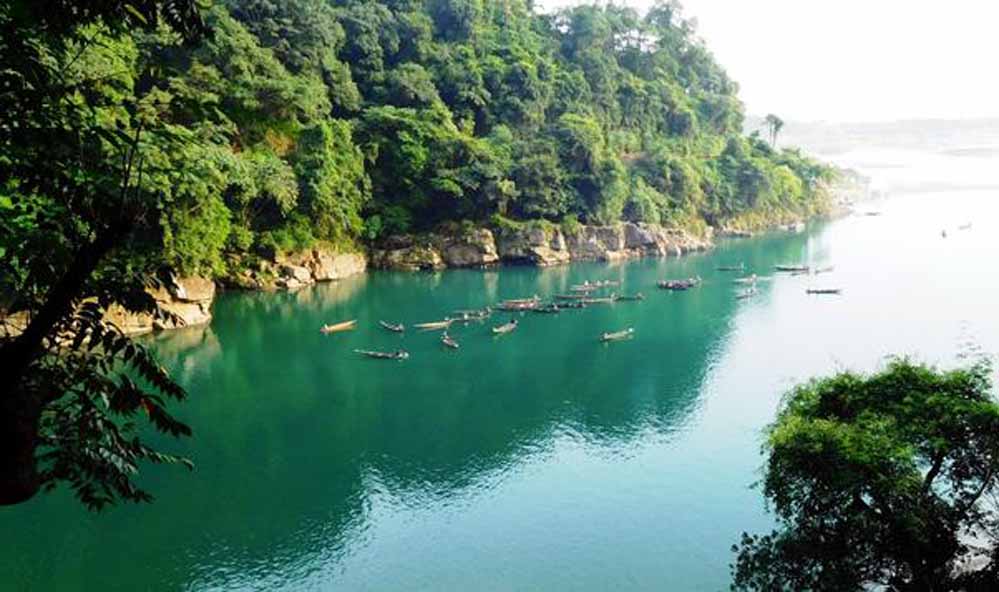
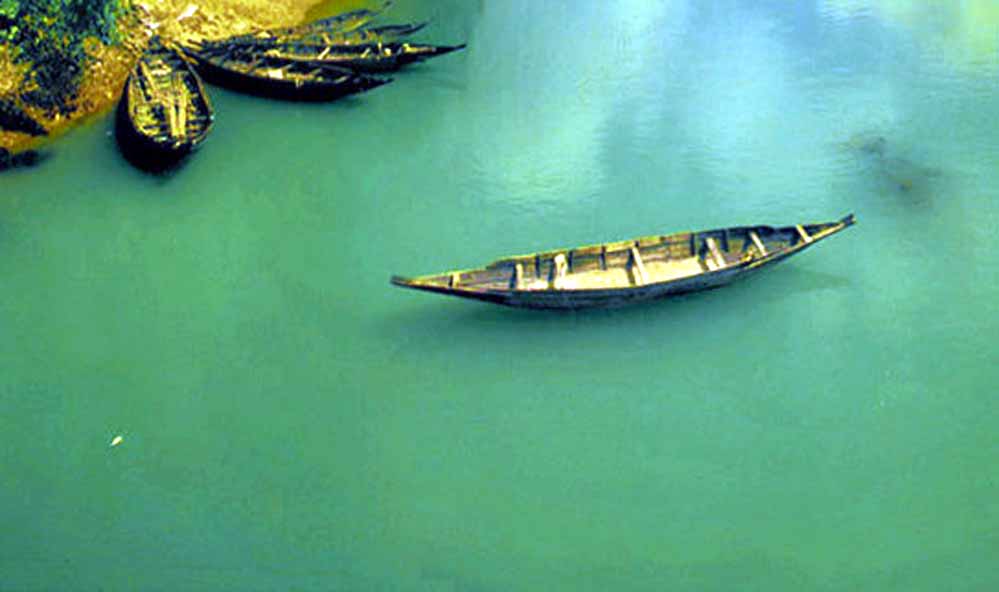
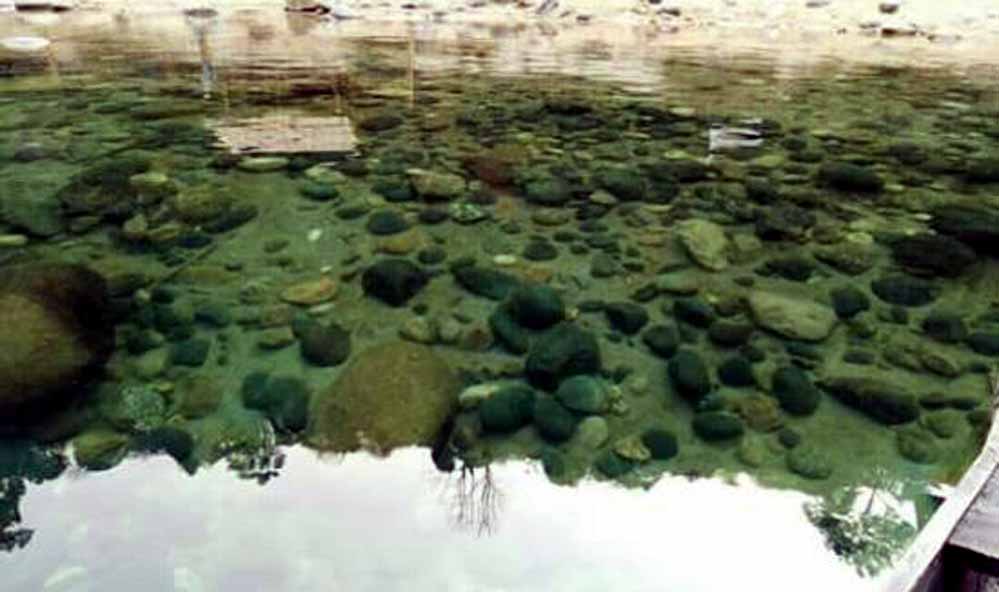
There's a moment—right when your taxi crests the final hill on NH206—when you first glimpse the Umngot River snaking through the valley below. The water shimmers emerald and sapphire, so impossibly clear that the boats on its surface look Photoshopped, suspended in mid-air above their own shadows on the riverbed. Welcome to Dawki, Meghalaya's answer to "Does magic still exist?"
Ninety-five kilometers east of Shillong, tucked into the West Jaintia Hills just a stone's throw from Bangladesh, Dawki (also known as Tamabil on the Bangladesh side) has become the poster child for India's hidden natural wonders. Instagram influencers call it "India's transparent river." National Geographic featured it. Your college friend definitely posted a "floating boat" photo from here during their 2024 Meghalaya trip.
But here's the thing nobody tells you: Dawki isn't just about that one viral photo. It's a borderland village where rivers carve international boundaries, where adventure junkies cliff-jump into emerald waters at Shnongpdeng, and where the India-Bangladesh Friendship Gate stands as a quiet reminder of Partition's scars and reconciliation's promises.
Let's cut through the Instagram filters and talk about what Dawki actually is—and whether it lives up to the hype.
The Umngot River: Nature's Optical Illusion
The Science Behind the Sorcery
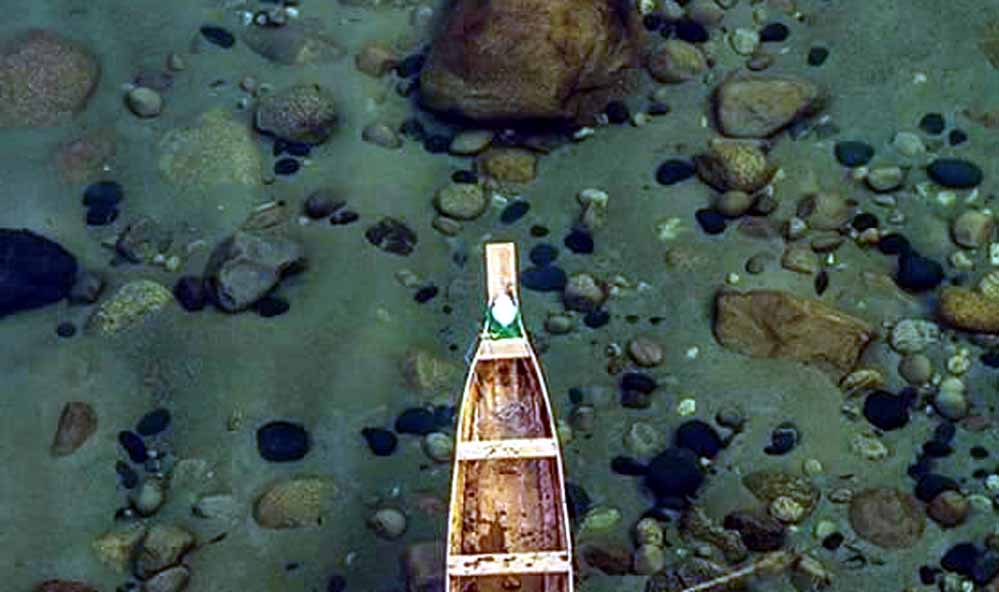
The Umngot River's famed transparency isn't a year-round phenomenon—it's seasonal sorcery. From November to February, post-monsoon waters settle, sediment drops, and the river transforms into liquid glass. Locals joke that during these months, you can count pebbles 20 feet below the surface. A TripAdvisor reviewer from December 2025 wrote: "Dawki with crystal clear waters can be seen only in November-December as told by the locals... Boating in the river is an amazing experience. Very clear water" (TripAdvisor, 2026).
But visit during or just after the June-September monsoon? Expect murky brown-green waters that look like... well, a regular river. As one candid Instagram reel from November 2025 noted: "Dawki (Umngot River) Expectations vs Reality... People come here for the Umngot River – the one famous for its 'Instagram-perfect' clear waters. In reality, it's not as crystal-clear as those photos suggest" unless you time it right (Instagram, 2025).
The Floating Boat Phenomenon
The reason for the viral "floating boat" photos? Simple physics. When water clarity reaches 10+ meters (which happens November–February), and sunlight hits just right, boats cast shadows on the visible riverbed while appearing to hover above it. The effect is so convincing that first-time visitors often ask if the photo is edited. Spoiler: it's not—but it requires specific conditions, morning light (before 11 AM for best results), and a bit of luck (Assam Holidays, 2026; BBC Travel, 2023).
Boating on the Umngot: What to Actually Expect
The Logistics
- Boating Hours: 9:00 AM – 5:00 PM (flexible; no strict enforcement)
- Cost: ₹600–₹1,200 per boat (holds 3–4 people); prices vary by season and negotiation skills
- Duration: 30–50 minutes per ride
- Entry Fee: Free (as of January 2026)
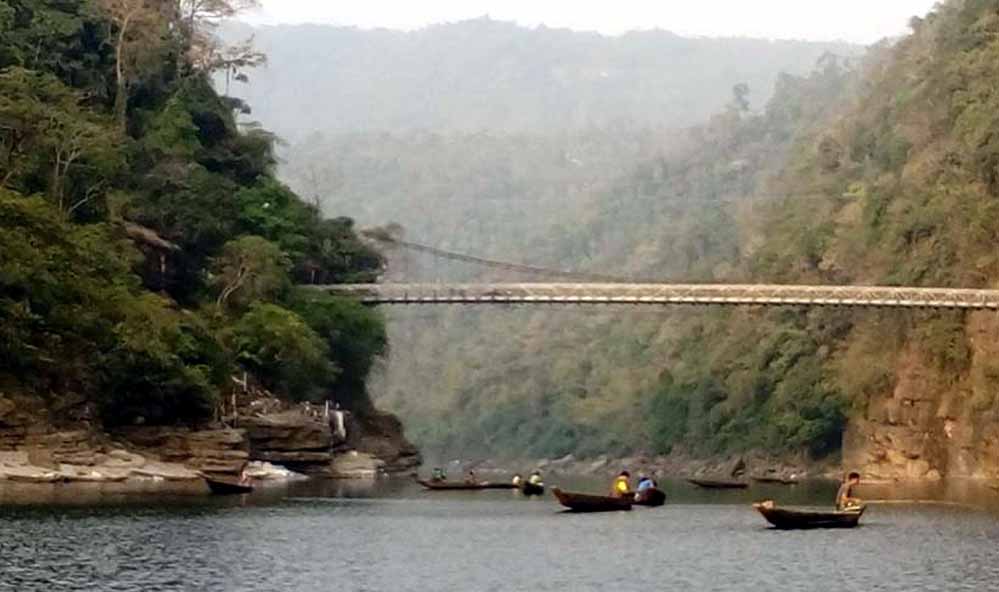
The boating experience at Dawki village (near the Bangladesh border) is straightforward: local boatmen paddle you up and down a scenic stretch of river, pointing out the border and letting you snap photos. The water's clarity depends entirely on when you visit—November/December offers the best visibility, while March–May sees decent clarity but warming weather (Trawell.in, 2025; Finderbridge, 2025).
Rules of the River (Yes, They're Strict)
Coordinators patrol constantly to enforce these:
- No leaning over the boat's edge
- No touching the water (environmental protection)
- No distracting the boatman
- Life jackets mandatory for non-swimmers
Violate these, and you might get asked to disembark early. The rules exist for good reason—the river currents near the border can be deceptively strong (MyTourPlans, 2026).
Shnongpdeng: Dawki's Adrenaline-Fueled Twin
If Dawki is the Instagram celebrity, Shnongpdeng (12 km upstream) is the cool older sibling who actually knows how to have fun. This tiny village on the Umngot's banks has become Meghalaya's adventure sports capital.
What You Can Do:
- Kayaking: Paddle through crystal waters (₹500–₹800 per session)
- Cliff Jumping: Leap from platforms at 8 ft, 14 ft, or 22 ft heights into the river (₹500)
- Zip-lining: Fly across the Umngot on a 200-meter line
- Snorkeling & Scuba Diving: Yes, in a river—visibility is that good in winter
- Riverside Camping: Pitch a tent on sandy banks (₹400–₹1,500/night, including activities)
A TripAdvisor reviewer summed it up: "There was good food, music, bonfire and stories in the night and snorkeling, kayaking, cliff jumping and boating in the morning. The whole thing costs around ₹1,500–₹3,000 per person" (TripAdvisor, 2026).
The vibe at Shnongpdeng is decidedly more laid-back than Dawki—fewer crowds, more adventure operators, and a chance to actually experience the river rather than just photograph it (Pioneer Adventure Tour, 2025; Travenjo, 2026).
The India-Bangladesh Border: History You Can Touch
Dawki isn't just a pretty river—it's one of India's most significant border crossings with Bangladesh. The India-Bangladesh Friendship Gate (also called Maitri Dwar) stands as a symbol of reconciliation between nations born from Partition's violence.
Historical Context
Built in 1932 by the British, the Dawki Bridge over the Umngot connected Assam and Bengal, facilitating trade between Guwahati-Shillong-Dawki-Tamabil-Sylhet-Dhaka (Life is a Vacation, 2017). After Partition in 1947 and Bangladesh's independence in 1971, this route became an international border—but trade and cultural ties persisted.
Today, Dawki-Tamabil is a closed border for tourists (you can't cross into Bangladesh without permits), but it remains a vital trade point for coal, limestone, and agricultural goods. Stand at the Friendship Gate, and you'll see Bangladeshi villagers on the opposite bank, a mere 50 meters away. The lack of fencing makes the boundary feel almost theoretical—until you notice the BSF (Border Security Force) personnel discreetly monitoring the area (Evendo, 2026; Times of India, 2022).
Planning Your Dawki Adventure
Getting There
From Guwahati (175 km / 5–6 hours):
- Private taxi: ₹7,000–₹8,500 (one-way)
- Route: NH27 → Shillong → NH106 → Dawki
- Best option for first-timers; drivers know photo stops
From Shillong (92 km / 2.5–3 hours):
- Private taxi: ₹2,000–₹3,000 (one-way)
- Shared taxi (from Bara Bazaar): ₹200–₹300 per seat (sporadic)
- Route: NH206 via Pynursla (fastest) or NH44 via Jowai (scenic)
No direct public transport exists to Dawki village, so taxis are your best bet. Shared taxis from Shillong to Dawki are rare and unpredictable (TripCrafters, 2026; eSikkim Tourism, 2026).
Best Time to Visit
- November–February: Peak season. Crystal-clear water, "floating boat" illusion, pleasant weather (12–20°C). Expect crowds on weekends.
- March–May: Decent water clarity, warmer weather (15–25°C), fewer tourists.
- June–October: Monsoon. Water is murky/muddy, but surrounding waterfalls are spectacular. Not ideal for the classic Dawki experience.
As one Instagram post from December 2025 advised: "⏰ Best time: Oct–Apr (clearest water); Nov–Feb for the 'floating boat' view" (Instagram, 2025).
Where to Stay
In Dawki Village:
- Limited options; most are basic guesthouses (₹800–₹1,500/night)
- Dawki View Guest House, Shatsngi Homestay (TripAdvisor, 2026)
In Shnongpdeng (12 km away):
- Better camping/adventure packages
- Shnongpdeng Riverbank Camp, Marvel's Camps & Treks, Pioneer Adventure Tour (₹1,500–₹3,000/night with activities)
- Riverside tents, bonfires, adventure sports included (Booking.com, 2026)
Pro Tip: Most travelers base themselves in Shillong or Jowai and do Dawki as a day trip. If you want the full river experience with camping, stay in Shnongpdeng.
What to Bring
- Sturdy footwear (rocky paths near the river)
- Sunscreen & hat (no shade on boats)
- Quick-dry clothes (for water sports at Shnongpdeng)
- Cash (most vendors don't accept cards; nearest ATM in Jowai, 24 km away)
- Waterproof phone pouch (for that perfect floating-boat shot)
- Snacks & water (limited food options in Dawki village)
What People Are Actually Saying
The Honest Reviews
TripAdvisor (2025–2026):
- "Average experience thanks to rains. Word of caution: Do not plan a trip to Dawki if it has rained a day before or still raining... the crystal-clear water will turn muddy"
- "Absolutely stunning and a must visit place. The water is very clear. You can see Bangladesh on the other side from here. The boat ride is not to be missed"
- "Dawki is not just a destination; it's an experience. The peace, the scenery, and the hospitality—from nature and the locals alike—make it a perfect getaway"
Instagram (2024–2026):
- "No matter how much difficult the road was destination was wonderful… It's not only about clear water but the calmness too" (@username, January 2026)
- "India's Transparent River Dawki welcomes you with crystal clear water where boats look like they're floating in air. The riverbed is visible even metres below" (Instagram Reel, December 2025)
Expectation vs. Reality
Multiple recent reviews emphasize managing expectations:
- If you visit in peak season (Nov–Feb) + morning hours: You'll likely get the Instagram-worthy experience
- If you visit monsoon/off-season: You'll see a pretty river, but not the famed transparency
- Either way: The surrounding landscape (hills, border views, adventure activities) makes Dawki worth visiting (Times of India, 2021; Reddit, 2023)
Nearby Attractions: Building the Perfect Itinerary
Mawlynnong (50 km / 1.5 hours): "Asia's Cleanest Village"; living root bridges, bamboo skywalk, community-based tourism
Krang Suri Falls (60 km / 2 hours via Jowai): Turquoise-blue waterfalls with natural swimming pools; best visited June–September
Riwai Living Root Bridge (20 km from Dawki): Shorter, easier trek (30 minutes) compared to Nongriat's famous double-decker bridge
Jaflong Zero Point (Bangladesh side—viewable from Dawki): Stone quarries and tea gardens visible across the border
Sample 2-Day Itinerary:
- Day 1: Shillong → Krang Suri Falls → Jowai → Dawki (boat ride) → Camp at Shnongpdeng
- Day 2: Morning adventure sports at Shnongpdeng → Mawlynnong → Riwai Root Bridge → Return to Shillong
(TripAdvisor, 2023; Go Somewhere, 2026)
The Verdict: Is Dawki Worth the Hype?
Visit Dawki if you:
- Want to see one of India's clearest rivers (November–February essential)
- Enjoy borderland tourism and geopolitical curiosities
- Seek adventure sports (Shnongpdeng cliff jumping, kayaking)
- Are planning a broader Meghalaya itinerary (combines well with Mawlynnong, Cherrapunji)
Skip (or lower expectations) if you:
- Can only travel during monsoon (June–October)—water won't be clear
- Expect untouched wilderness—Dawki village can feel commercialized on weekends
- Don't enjoy crowds—peak season sees hundreds of tourists daily
A balanced take from a 2025 TripAdvisor reviewer: "The boat ride is an amazing experience... but go in the morning time as afternoon tends to get rushed up" (TripAdvisor, 2026).
Essential Information at a Glance
| Category | Details |
|---|---|
| Location | Dawki village, West Jaintia Hills, Meghalaya |
| Distance from Shillong | 92–95 km (2.5–3 hours) |
| Distance from Guwahati | 175 km (5–6 hours) |
| Best Time to Visit | November–February (crystal-clear water); March–May (decent clarity) |
| Boating Cost | ₹600–₹1,200 per boat (3–4 people) |
| Boating Duration | 30–50 minutes |
| Entry Fee | Free |
| Nearest Accommodation | Shnongpdeng (12 km); Jowai (24 km); or base in Shillong |
| Activities | Boating, kayaking, cliff jumping (Shnongpdeng), camping, border viewing |
| Mobile Network | Airtel, Jio work well; BSNL spotty |
| ATM | Nearest in Jowai (24 km) |
| Permits Required | None (as of 2026) |
| Border Crossing | Not allowed for tourists without special permits |
Contacts:
- Meghalaya Tourism: www.meghalayatourism.in
- Adventure operators (Shnongpdeng): +91-8794181960 (Pioneer Adventure Tour)
- Dawki Boat Association: Inquire on-site at riverbank
References & Sources
- Assam Holidays. (2026). Umngot River – River in Dawki. https://assamholidays.com/umngot-river-river-in-dawki/
- BBC Travel. (2023, October 13). The mysterious monoliths of Meghalaya. https://www.bbc.com/travel/article/20231013-the-mysterious-monoliths-of-meghalaya
- Evendo. (2026). India-Bangladesh Friendship Border: A symbol of unity. https://evendo.com/locations/bangladesh/eastern-bengal/attraction/india-bangladesh-friendship-border-attraction
- Finderbridge. (2025). Boating in the clearest river of India- Umngot (Dawki) River. https://www.finderbridge.com/experience/dawki-river
- Instagram. (2025, December 19). Dawki's river is at its clearest. @username. https://www.instagram.com/p/DScAqNyETyD/
- Instagram. (2026, January 10). Dawki... destination was wonderful. https://www.instagram.com/p/DTUrvJgkdwT/
- Life is a Vacation. (2017, March 27). Glimpse of the Dawki-Tamabil Border Post. https://lifeisavacation.in/2017/03/27/dawki-tamabil-border-post/
- MyTourPlans. (2026). Dawki River boating rules. https://www.mytourplans.com/activity/dawki-river-boating
- Pioneer Adventure Tour. (2025). Cliff jumping at Shnongpdeng. https://pioneeradventuretour.com/cliff-jumping/
- Tata Neu. (2026). 7 best times to visit Dawki. https://www.tataneu.com/pages/travel/hotels/7-best-times-to-visit-dawki-a-seasonal-travel-guide
- Times of India. (2021, November 18). This Indian river is going viral for its crystal clear water. https://timesofindia.indiatimes.com/travel/travel-news/this-indian-river-is-going-viral-for-its-crystal-clear-water-read-to-know-more/articleshow/87768754.cms
- Times of India. (2022, July 7). Life at the India-Bangladesh Friendship Gate. https://timesofindia.indiatimes.com/travel/destinations/life-at-the-india-bangladesh-friendship-gate/articleshow/92716976.cms
- Travenjo. (2026). Camping at Dawki Shnongpdeng riverside. https://travenjo.com/camping-at-dawki-shnongpdeng/
- Trawell.in. (2025). Umngot River, Dawki - Timings, entry fee, boating. https://www.trawell.in/meghalaya/dawki/umngot-river
- TripAdvisor. (2026). Dawki River (2026) - All You Need to Know BEFORE. https://www.tripadvisor.com/Attraction_Review-g15363485-d8817987-Reviews-Dawki_River-Dawki_West_Jaintia_Hills_District_Meghalaya.html
- TripAdvisor. (2026). Umngot River (2026) reviews. https://www.tripadvisor.com/Attraction_Review-g297657-d16963410-Reviews-Umngot_River-Meghalaya.html
- TripCrafters. (2026). How to reach Dawki. https://www.tripcrafters.com/travel/how-to-reach-dawki
- Welcome Meghalaya. (2026). Dawki & Shnongpdeng – Umngot River adventures. https://welcomemeghalaya.com/destinations/dawki-shnongpdeng/