A Sacred Ground of Resistance and Cultural Legacy
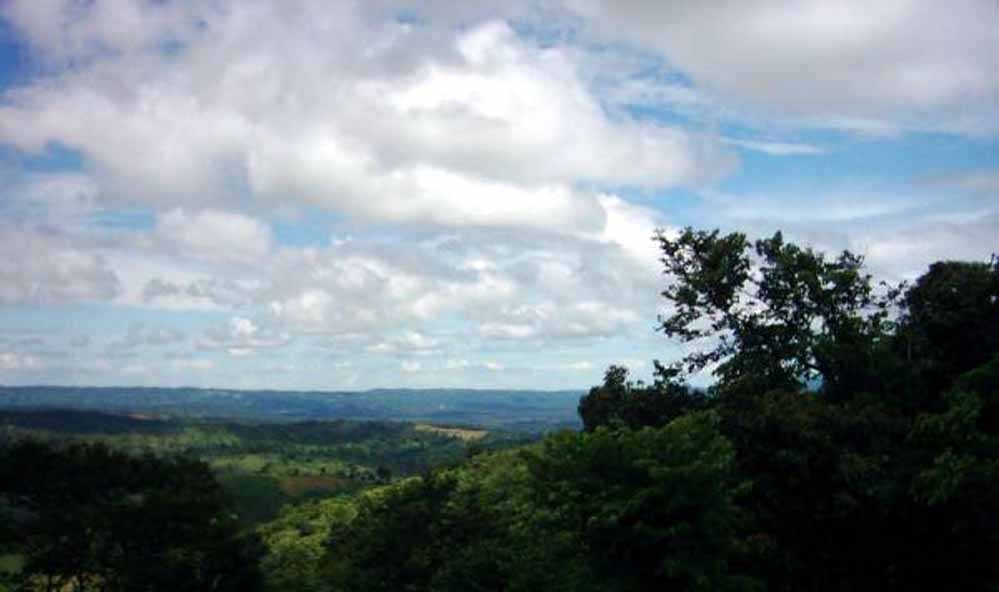
Nestled just 8 kilometers from Williamnagar, the district headquarters of East Garo Hills in Meghalaya, Chisobibra Village stands as a testament to courage, cultural resilience, and natural beauty. This unassuming village, cradled within lush green valleys and rolling hills, holds a significance that far exceeds its geographical footprint. It is here, on December 12, 1837, that one of the most poignant chapters of India's resistance against British colonialism unfolded—a story of valor that continues to inspire generations of the Garo people and visitors from across the globe.
Chisobibra is not merely a dot on the map of Meghalaya; it is a pilgrimage site for those seeking to understand the indomitable spirit of indigenous resistance, a window into the vibrant Garo (A'chik) tribal culture, and an emerging ecotourism destination that promises authentic cultural immersion. As the final battleground of the legendary warrior Pa Togan Nengminja Sangma, this village has earned its place in the annals of India's freedom struggle, yet it remains one of the Northeast's best-kept secrets—a hidden gem waiting to be discovered by discerning travelers.
The Legend of Pa Togan Nengminja Sangma: A Warrior's Last Stand
The history of Chisobibra is inseparable from the story of Pa Togan Nengminja Sangma, a towering figure in Garo history and one of India's earliest freedom fighters. Born in the village of Samanda near Williamnagar, Pa Togan emerged as a fearless leader during a tumultuous period when British colonial forces sought to annex the Garo Hills to British India in the 19th century.
During the British Expedition's push to consolidate control over the region, Garo warriors mounted fierce resistance to protect their ancestral lands. The decisive confrontation came at Rongrengiri, where British forces laid siege for days. After prolonged resistance, on December 12, 1837, the British succeeded in their mission, and it was at Chisobibra, on the outskirts of Williamnagar, that Pa Togan Nengminja Sangma breathed his last, according to official records from the East Garo Hills District Administration.
What makes Pa Togan's story particularly poignant is the ingenious yet tragic strategy employed by the Garo warriors. Understanding the technological disadvantage they faced against British firearms, Pa Togan devised a defensive tactic using thick plantain stems as shields. He believed these natural barriers would stop or slow the bullets, as metal would theoretically lose momentum upon impact with the soft yet dense plantain fiber. Armed only with traditional spears called "Selu" and these improvised shields, the Garo warriors launched their assault.
Historical accounts describe a fierce nocturnal battle where the A'chik Matgriks (warriors) attacked the British soldiers in their camp. "It was a cold winter night and the local Garo warriors led by Togan Sangma gave a tough fight to the British. They filled the air with their war cries," recounts MyInd.net. However, the plantain shields proved insufficient against the firepower of British rifles. Bullets pierced through the organic barriers, and the warriors, though displaying extraordinary courage, suffered devastating casualties. Pa Togan Sangma fell on the battlefield, joining his comrades as martyrs of the land.
The battle of Chisobibra, though ending in military defeat, became a powerful symbol of indigenous resistance and the unwillingness of the Garo people to submit to colonial domination without a fight.
A Monument to Remember: Togan Memorial Park
Today, the legacy of Pa Togan Nengminja Sangma is immortalized through a striking monument erected at Chisobibra. The Togan Memorial Park features an imposing statue of the warrior, gazing eternally across the landscape he died defending. This memorial has become a focal point for cultural remembrance and national pride.
Every year on December 12, Pa Togan's death anniversary is observed with appropriate solemnity and grandeur. The commemoration ceremony has evolved into a significant cultural and political event in Meghalaya. In recent years, the observance has drawn high-profile attendance, including Chief Minister Conrad K. Sangma, who in 2025 attended the 153rd death anniversary at Togan Park, Chisobibra. According to media reports, the Chief Minister emphasized the government's commitment to popularizing the lives of freedom fighters like Pa Togan through plays, dramas, and educational initiatives, ensuring that younger generations remain connected to their heritage.
The anniversary celebrations typically include traditional Garo rituals, cultural performances, speeches highlighting Pa Togan's contributions to the freedom struggle, and communal gatherings that reinforce the collective memory of resistance. For visitors, attending these commemorations offers a profound opportunity to witness living history and participate in a community's ongoing dialogue with its past.
The Garo People: Guardians of a Unique Cultural Heritage
To understand Chisobibra's significance, one must appreciate the distinctive culture of the Garo people, who are the second-largest tribe in Meghalaya after the Khasis. The Garos refer to themselves as A'chik or Mande, and their language belongs to the Bodo branch of the Bodo-Naga-Kachin family of the Sino-Tibetan phylum, as noted by the East Garo Hills District Administration.
What distinguishes Garo society most prominently is its matrilineal structure—one of the few remaining matrilineal societies in India. In this system, family names, property, and clan identity are traced through the mother's lineage. Women hold central positions in customs, rituals, and ceremonies, with daughters typically inheriting family property. This social structure gives women considerable economic independence and decision-making authority within households and communities.
The matrilineal tradition also influences marriage customs. The Garo practice a unique form of marriage known as "Chawarisikka" or "marriage by capture," a symbolic ritual where the prospective groom is "captured" by the bride's family, representing the union. After marriage, husbands traditionally reside in their wives' households, reflecting the matrilocal nature of Garo society.
Chisobibra, like other Garo villages, serves as a living museum of these traditions. Visitors can observe traditional bamboo and thatch architecture, witness artisans creating intricate handwoven textiles and bamboo crafts, and experience the warm hospitality that characterizes Garo culture. The village exemplifies the Garo people's harmonious relationship with nature, demonstrating sustainable practices passed down through generations.
Wangala: The Hundred Drums Festival and Chisobibra's Cultural Calendar
The cultural heartbeat of Chisobibra and the broader Garo Hills region is most audibly heard during Wangala, also known as the Hundred Drums Festival. This post-harvest celebration, typically held in November, ranks as the most important festival in the Garo cultural calendar.
Wangala is fundamentally a thanksgiving ceremony dedicated to Misi Saljong (also known as Pattigipa Ra∙rongipa), the Sun God, who is believed to provide mankind with nature's bounties and ensure prosperity. The festival marks the end of the agricultural season, celebrating a successful harvest and expressing gratitude for the earth's abundance.
The festival derives its popular name from the spectacular sight and sound of one hundred traditional drummers—ten dancing groups from different villages, each accompanied by ten drummers—creating a rhythmic symphony. These drummers play "Dama," long oval-shaped drums made from Gambare (a local tree) and cowhide. The thunderous, synchronized drumming creates an almost hypnotic atmosphere that can be felt as much as heard.
Wangala is also characterized by elaborate traditional dances, with performers—particularly women who lead many of the rituals—dressed in colorful attire featuring intricate beadwork and traditional motifs. The festival includes communal feasting, indigenous music performed on bamboo flutes and buffalo horns, ritual offerings, and cultural competitions. According to the Meghalaya Tourism portal, Wangala serves as a crucial touchstone for Garo identity, reminding younger generations of their roots and instilling pride in their distinct cultural heritage.
For travelers planning a visit to Chisobibra, timing your trip to coincide with Wangala offers an unparalleled opportunity to experience Garo culture at its most vibrant and accessible. The village and surrounding areas come alive with celebrations, providing immersive cultural experiences rarely available in more commercialized tourist destinations.
Natural Attractions: Beyond the Monument
While Chisobibra's historical and cultural significance draws many visitors, the village's natural setting offers compelling reasons to extend your stay and explore the surrounding landscape.
Simsang River
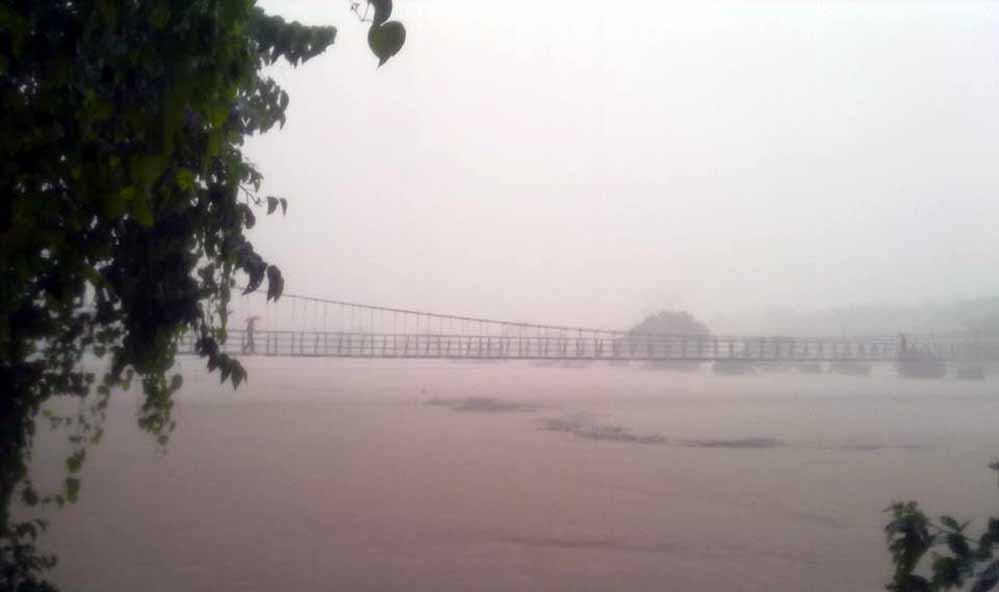
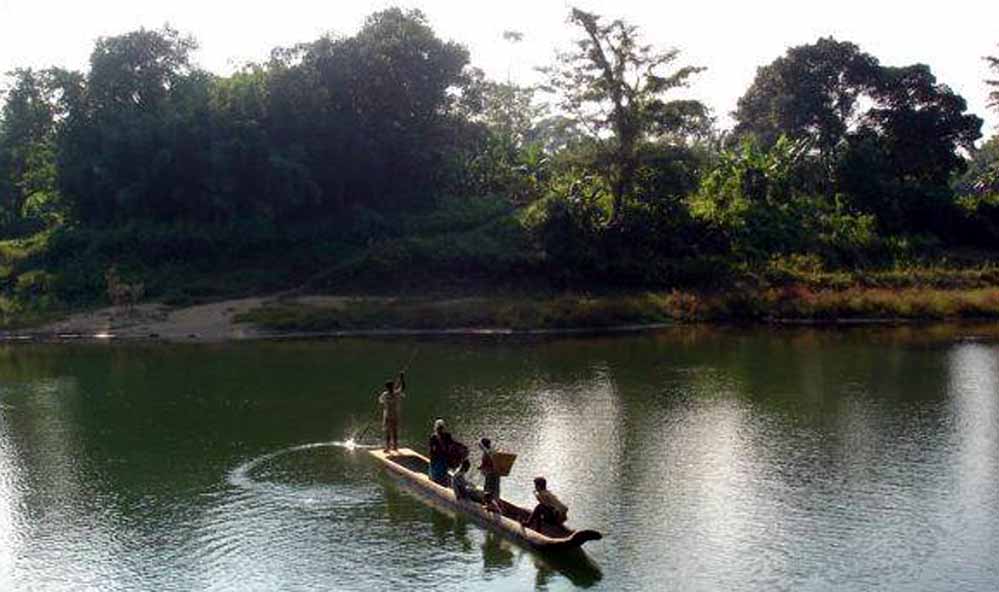
The Simsang River (also known as the Someshwari River in Bangladesh, where it eventually flows) runs through the heart of Williamnagar and near Chisobibra, providing a tranquil backdrop for the village. This river is central to local life and offers visitors opportunities for fishing, boating, and riverside relaxation. The crystal-clear waters reflect the surrounding hills, creating picture-perfect scenes, especially at sunset.
The Simsang hosts several cultural festivals throughout the year, including fishing festivals that celebrate traditional angling methods and strengthen community bonds. The riverbanks feature unique rock formations, particularly at nearby Mrik Wari, making it popular with geology enthusiasts and photographers.
Rongbang Waterfall
Located on the Tura-Williamnagar road near Chisobibra, Rongbang Waterfall (also known as Rong'Bang Dare) is a seasonal cascade that becomes particularly spectacular during and immediately after the monsoon season. Nestled within lush greenery, the waterfall provides a refreshing retreat and excellent opportunities for nature photography. According to TripCrafters, Rongbang Falls represents one of Meghalaya's hidden gems, offering visitors a chance to experience pristine natural beauty without the crowds common at more famous waterfalls in the state.
Nokrek Biosphere Reserve
While requiring a longer excursion from Chisobibra, the UNESCO-designated Nokrek Biosphere Reserve represents one of the region's most significant natural treasures. Located in the East Garo Hills, this biodiversity hotspot encompasses Nokrek National Park and surrounding protected areas. The reserve is renowned for its population of endangered species, including red pandas, clouded leopards, Asian elephants, and the rare slow loris.
Nokrek also serves as the gene sanctuary for the Citrus indica—the wild progenitor of cultivated citrus species—making it of immense botanical significance. The Meghalaya Tourism department notes that Nokrek offers trekking opportunities through subtropical forests, wildlife viewing, and insights into conservation efforts protecting Meghalaya's unique ecosystems.
Ecotourism and Community-Based Tourism Initiatives
Chisobibra has increasingly embraced principles of sustainable ecotourism, recognizing that its greatest assets—cultural authenticity and environmental integrity—require careful stewardship. Local communities have developed tourism initiatives that provide economic benefits while preserving traditional ways of life and protecting natural resources.
Visitors to Chisobibra can engage with community-based tourism programs that include:
- Cultural Workshops: Participate in traditional crafts such as bamboo weaving, textile creation, and pottery under the guidance of local artisans.
- Homestay Experiences: While formal hotel infrastructure remains limited in Chisobibra itself, homestay arrangements allow travelers to live with Garo families, sharing meals, daily activities, and stories. These immersive experiences provide authentic cultural exchanges far more meaningful than conventional tourism.
- Guided Village Walks: Local guides offer tours explaining traditional architecture, agricultural practices, medicinal plant uses, and the significance of various community spaces.
- Traditional Food Experiences: Sample authentic Garo cuisine, which features unique preparations including fermented foods, locally sourced vegetables, and dishes prepared with indigenous ingredients.
According to Assam Holidays, these community-led initiatives ensure that tourism revenue directly benefits villagers, incentivizing cultural preservation and environmental conservation. Travelers seeking meaningful, responsible tourism experiences will find Chisobibra offers exactly what is increasingly difficult to find elsewhere: genuine cultural encounters unmarred by excessive commercialization.
Planning Your Visit: Practical Information
Getting There
Chisobibra is located 8 kilometers from Williamnagar, which serves as the gateway to the village. Reaching Williamnagar requires some planning, as the town lies in a relatively remote part of Meghalaya:
- From Guwahati: The most common starting point is Guwahati, Assam, which serves as the gateway to Northeast India. Guwahati is well-connected to major Indian cities by air, rail, and road. From Guwahati, Williamnagar is approximately 200 kilometers away—about a 5-6 hour drive through scenic, winding roads traversing hills and forests.
- By Road: Shared taxis (Sumos) operate from Shillong and Tura to Williamnagar. From Tura (the largest town in Garo Hills), Williamnagar is 77 kilometers. Meghalaya Transport Corporation (MTC) buses also operate on these routes, though services may be limited.
- Nearest Railway Station: Meghalaya has limited rail connectivity. The nearest major railway station is in Guwahati. Recently, a railway station opened in Mendipathar, which operates passenger trains to and from Guwahati and is closer to Williamnagar than Guwahati.
- From Williamnagar to Chisobibra: The 8-kilometer journey from Williamnagar to Chisobibra can be covered by hired vehicle, local transport, or even bicycle for the adventurous, with the road passing through scenic rural landscapes.
Where to Stay
Accommodation options in Chisobibra itself are limited, with most visitors staying in Williamnagar and making day trips to the village. Williamnagar offers:
- Government Guest Houses: Basic but clean accommodation, often requiring advance booking through district authorities.
- Local Hotels and Lodges: Small establishments providing essential amenities. Notable options mentioned in local guides include the House of Mercy and various local lodges.
- Homestays: The most authentic option, with several families in Williamnagar and Chisobibra offering rooms. These require advance contact, often facilitated through tourism cooperatives or travel agents specializing in Northeast India.
- Resorts in Surroundings: Eco-resorts and guesthouses have developed in surrounding areas like Warichora and Adokgre, offering more amenities while maintaining proximity to Chisobibra.
Best Time to Visit
The optimal period for visiting Chisobibra is October to March, during the post-monsoon and winter seasons. During these months:
- Weather is pleasant with temperatures ranging from 15-25°C
- Skies are clearer, offering better visibility for photography and outdoor activities
- Roads are in better condition after monsoon repairs
- November is particularly special for Wangala celebrations
- December 12 offers the unique opportunity to witness Pa Togan's death anniversary commemorations
The monsoon season (June to September) brings heavy rainfall that can disrupt travel plans and make roads challenging, though the landscape achieves peak greenness during this period.
What to Bring
- Comfortable walking shoes for village exploration
- Light, breathable clothing with layers for varying temperatures
- Rain gear if visiting during monsoon fringes
- Camera equipment for capturing cultural moments and landscapes
- Basic toiletries and medications (limited availability locally)
- Cash in small denominations (ATM availability is limited)
- Respectful attire for visiting memorial sites and participating in cultural events
The Emerging Recognition of Chisobibra
Chisobibra's importance is gaining increased recognition at state and national levels. In recent statements, Meghalaya Chief Minister Conrad K. Sangma emphasized the government's commitment to popularizing the contributions of freedom fighters like Pa Togan Nengminja Sangma through creative mediums such as plays and dramas. This reflects growing awareness that historical sites like Chisobibra serve not merely as tourism destinations but as educational resources and sources of cultural pride.
The Government of India's tourism portal now features Chisobibra among notable travel destinations, describing it as a place where visitors "can learn about the legacy of the Garo Warrior/Matgrik – Pa Togan Nengminja, the most famous freedom fighters from amongst the Garo community." This official recognition helps position Chisobibra alongside better-known historical sites while maintaining its character as an off-the-beaten-path destination.
Testimonials: Voices from Visitors and Locals
Travelers who have ventured to Chisobibra consistently express profound appreciation for the experience. Social media posts and travel blogs reveal common themes:
"Standing before the statue of Pa Togan, I felt the weight of history. This wasn't just another monument—it was a reminder of the countless unsung heroes who resisted colonialism across India. The local guide's passionate narration brought the story alive," shared a visitor on the Meghalaya Tourism Facebook page.
Local residents express pride in their heritage while welcoming respectful visitors. A village elder, speaking to researchers documenting oral histories, emphasized: "Pa Togan's sacrifice reminds us to remain strong in our identity. When visitors come here with genuine interest in our culture, it validates what we have always known—that our story matters."
Travel bloggers frequently highlight the contrast between Chisobibra's historical gravitas and its serene, unhurried atmosphere. One blogger noted: "Unlike the commercialized hill stations where every experience feels staged, Chisobibra offers something rare—authenticity. Here, history isn't packaged for tourists; it's woven into the daily life of a community that continues to honor its past while living fully in the present."
Responsible Tourism: Visitor Guidelines
As Chisobibra gains recognition, maintaining the delicate balance between tourism development and cultural preservation becomes crucial. Visitors can contribute to sustainable tourism by:
Respecting Sacred Spaces: The memorial park and sites associated with Pa Togan's sacrifice should be approached with reverence. Appropriate behavior includes speaking softly, dressing modestly, and following local customs.
Supporting Local Economy: Purchase handicrafts directly from artisans, hire local guides, eat at village eateries, and choose homestays when possible.
Environmental Consciousness: Carry reusable water bottles, dispose of waste properly (carry it out if necessary), and avoid disturbing wildlife or vegetation.
Cultural Sensitivity: Always ask permission before photographing people, particularly during ceremonies or in private spaces. Learn basic Garo phrases to show respect for local language.
Authentic Engagement: Approach interactions with genuine interest rather than treating culture as entertainment. Participate in offered activities but recognize when to observe respectfully from a distance.
Conclusion: Chisobibra's Promise for the Future
Chisobibra Village stands at a fascinating crossroads. It remains, in many ways, undiscovered—a place where history speaks through monuments and living traditions rather than through crowded tour buses and hawker stalls. Yet it is precisely this quality that makes Chisobibra invaluable in an era when authentic cultural experiences become increasingly rare.
The story of Pa Togan Nengminja Sangma resonates far beyond the Garo Hills. It speaks to universal themes of courage in the face of overwhelming odds, the defense of homeland and identity, and the willingness to sacrifice everything for principles. In a nation where colonial-era resistance is often associated with figures from majority communities, Pa Togan's story provides essential representation of indigenous contributions to India's freedom struggle.
For the discerning traveler, Chisobibra offers what no five-star resort or curated experience can provide: the opportunity to step into a living history, to understand culture not as performance but as daily practice, and to witness a community that has transformed tragedy into dignity and loss into legacy.
As Meghalaya continues developing its tourism infrastructure while striving to preserve its unique cultural mosaic, Chisobibra emerges as a model—a place where remembrance, tradition, and natural beauty converge to create something profoundly meaningful. It reminds us that the most important destinations are often not the most famous, but rather those that change how we understand history, culture, and our connections to both.
In visiting Chisobibra, you don't merely see a tourist attraction; you become, however briefly, part of an ongoing story—a story that began centuries before Pa Togan's last stand and continues today in every cultural performance, every anniversary commemoration, and every traveler who leaves the village with new understanding and respect.
Chisobibra awaits—not as a destination to be consumed, but as an experience to be honored and a memory to be cherished.
References:
- Shillong.com: Chisobibra Village
- East Garo Hills District Administration: Chisobibra
- Wikipedia: Pa Togan Sangma
- Assam Holidays: Chiso Bibra – Garo Hills, Meghalaya
- Trip and Tales: East Garo Hills
- MyInd.net: Pa Togan Nengminja Sangma
- Meghalaya Tourism Official Portal
- India.gov.in: Chisobibra Travel & Tourism