Seven Floors, 160 Tribes, One Extraordinary Journey Through Northeast India (Updated: January 2026)
Introduction: Where Heritage Meets Architecture
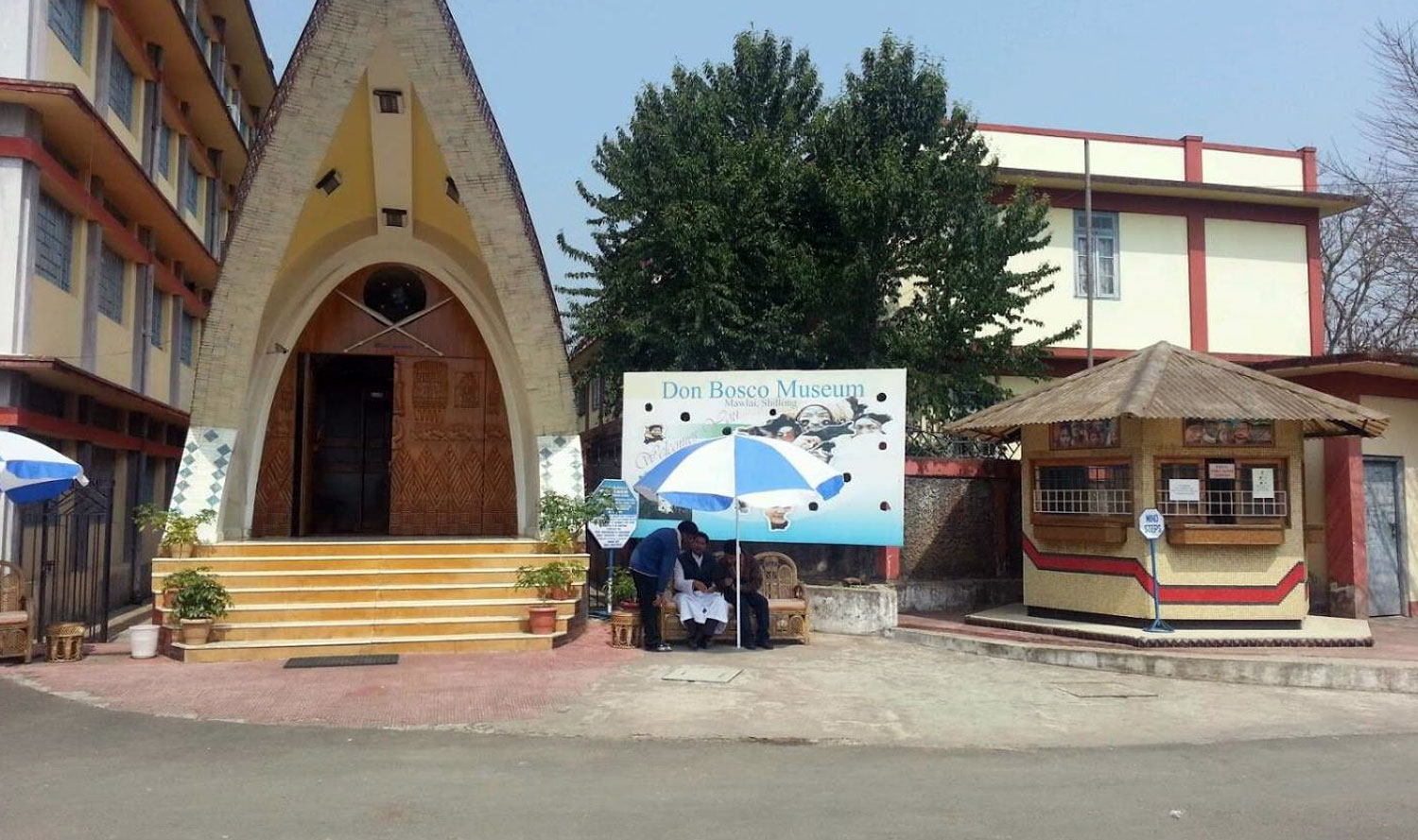
Rising like a honeycomb from the Mawlai hills, just 3 kilometers from Shillong's bustling Police Bazar, the Don Bosco Centre for Indigenous Cultures stands as one of Asia's most ambitious ethnographic projects. This seven-story architectural marvel—officially recognized as Asia's largest museum dedicated to indigenous cultures—houses over 21 galleries showcasing the living traditions of more than 160 tribal communities across Northeast India's seven sister states.
Established in 2003 by the Salesians of Don Bosco under the patronage of then-Governor Shri K.K. Paul, the museum transcends conventional exhibition spaces. It's a cultural time machine where Naga warriors' spears hang beside Khasi fishing nets, where Garo drums echo with Mizo folk songs, and where every floor unfolds a new chapter of humanity's relationship with the land, spirit, and community.
The Seven-Story Journey: Floor by Floor
The museum's hexagonal structure is no accident—each of the seven floors symbolizes one of the seven northeastern states: Assam, Meghalaya, Manipur, Mizoram, Nagaland, Tripura, and Arunachal Pradesh. As you ascend through the galleries, you journey through time, terrain, and tradition.
Ground Floor – Origins & Pre-History
Fossils, archaeological finds, and migration patterns trace the ancient roots of Northeast India's first inhabitants.
First Floor – Agriculture & Livelihoods
Three main agricultural techniques—jhum cultivation (slash-and-burn), wet rice terracing, and settled farming—are displayed with authentic tools, seeds, and dioramas showing seasonal cycles.
Second Floor – Arts & Crafts
Handloomed textiles, bamboo crafts, cane works, pottery, and metalwork demonstrate centuries-old skills passed down through generations. Highlight: Authentic Naga shawls woven with intricate geometric patterns.
Third Floor – Traditional Lifestyles
Life-size replicas of tribal homes—from Khasi thatched huts to Apatani bamboo longhouses—complete with cooking utensils, sleeping mats, and family altars.
Fourth Floor – Cultural Practices & Rituals
Masks, ceremonial costumes, sacrificial tools, and shamanistic objects reveal the spiritual worldview of tribes where animism, Christianity, and indigenous beliefs coexist.
Fifth Floor – Music, Dance & Oral Traditions
Over 100 musical instruments—drums, gongs, flutes, string instruments—alongside photographs and audio recordings of folk songs and dances.
Sixth Floor – Contemporary Cultures
Modern tribal life, festivals, education, and challenges facing indigenous communities in the 21st century.
Seventh Floor – Sky Walk
A circular observation deck offering 360-degree panoramic views of Shillong city, the Khasi Hills, and—on clear days—the distant Bangladesh plains.
Architectural Marvel: The Honeycomb Design
The museum's hexagonal, multi-tiered structure resembles a honeycomb or traditional Khasi basket, symbolizing the interconnectedness of Northeast India's diverse cultures. According to Incredible India: "The museum's hexagonal structure has seven stories, making the design functional and aesthetically pleasing."
Key Design Features:
- Natural lighting through strategically placed windows
- Spiral ramp system connecting all floors
- Thematic galleries arranged in clockwise progression
- Rooftop sky walk with safety railings and benches
What Makes It Special: Unique Exhibits
1. Living Traditions, Not Dead Artifacts
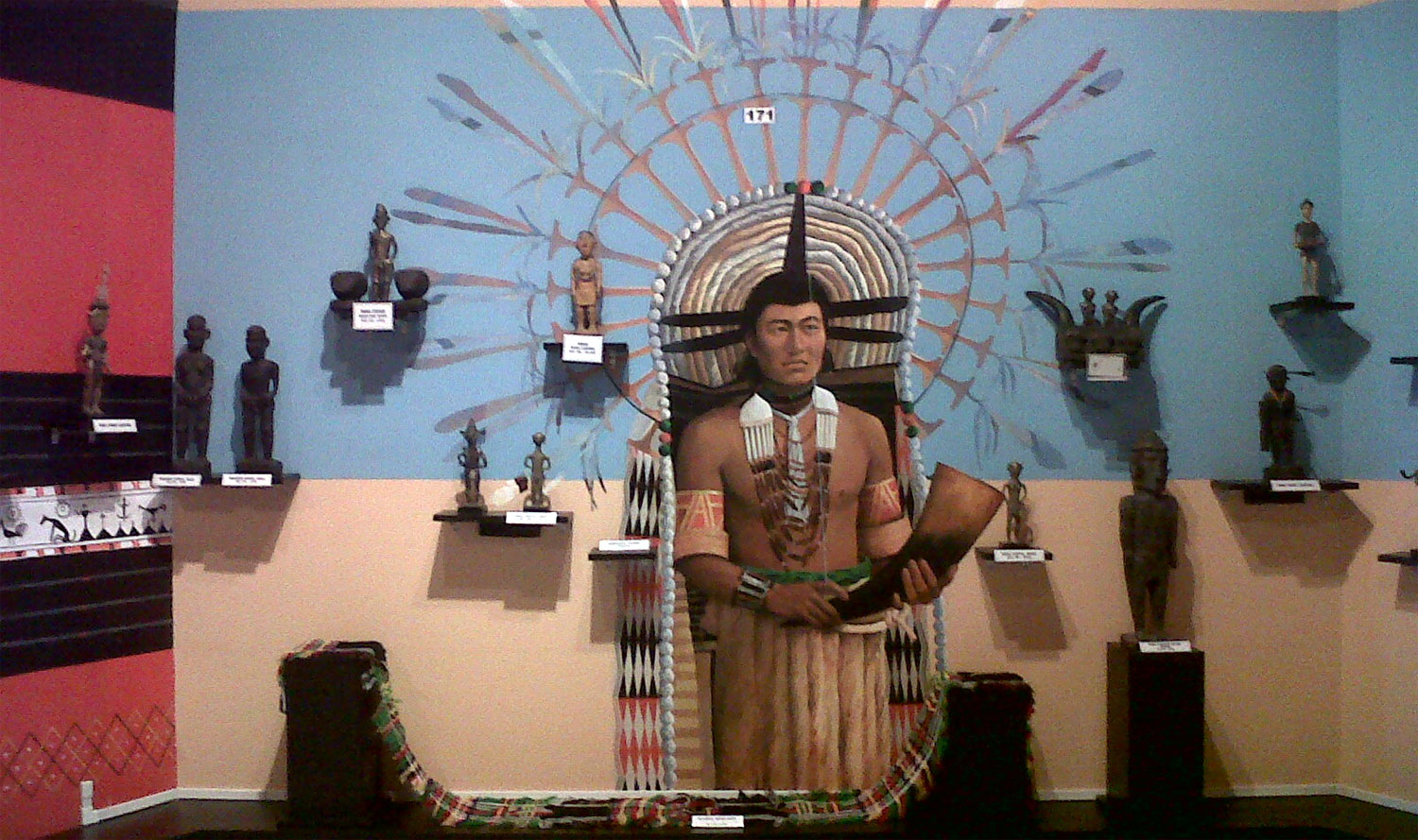
Unlike sterile museum displays, Don Bosco uses life-size fiberglass figures, dioramas, and multimedia presentations to recreate tribal life. You don't just see a Naga warrior's attire—you see him standing in a recreated village with a hunting spear, surrounded by the sounds of jungle birds.
2. Comprehensive Coverage
With exhibits from over 160 tribes, this is the only museum in India offering such exhaustive documentation of Northeast India's ethnic diversity—from the Kuki-Chin groups of Manipur to the Mishing of Assam to the Rengma Nagas.
3. Thousands of Artifacts
The museum houses:
- Traditional clothing & jewelry (over 500 pieces)
- Musical instruments (100+ varieties)
- Hunting & gathering tools (spears, traps, fishing nets)
- Agricultural equipment (ploughs, sickles, grain baskets)
- Sculptures & paintings (contemporary tribal artists)
- Manuscripts & books (rare ethnographic texts)
4. Interactive Learning
Audio-visual presentations, touch-screen kiosks, and guided tours make the museum accessible to children, students, and international visitors.
Visitor Experiences: What People Say
TripAdvisor (2026) – ⭐⭐⭐⭐⭐
"Museum not to be missed if in Shillong. I have not seen such a well-kept, neat and clean museum. It is a seven-storied museum providing a glimpse of rich and multi-cultural lifestyle, history and traditions of the indigenous people of North East India."
Wanderlog (2025)
"The Don Bosco Museum is a phenomenal institution that does a brilliant job of preserving and promoting the indigenous cultures of Northeast India. The staff are knowledgeable and passionate."
Official Testimonial (dbcic.org)
"Great anthropological experience. Gained so much knowledge about the culture of the North East. Do visit if you are in Shillong. It's an amazing experience."
Instagram (January 2026)
"Its seven-storey Don Bosco Museum houses 21 galleries showcasing tribal history, traditional clothing, tools, weapons, art, and everyday life of Northeast India's diverse communities."
Practical Information
Location & Distance:
- Address: Mawlai, Shillong, Meghalaya
- From Police Bazar: 3 km (10-15 minutes by taxi)
- From Shillong Bus Stand: 3 km
- From City Center: 2.8 km
Entry Fees (2025–2026):
- Adults (Indian): ₹100
- Children (Indian, up to 5th grade): ₹50
- Students (Indian): ₹50
- Adults (Foreign): ₹200
- Students (Foreign): ₹150
- Camera Fee: ₹100
Timings:
- Summer (Feb 1 – Nov 30): 9:30 AM – 5:30 PM
- Winter (Dec 1 – Jan 31): 9:30 AM – 4:30 PM
- Closed: Mondays (verify before visiting)
Duration: 2–3 hours for comprehensive visit; 1.5 hours for quick tour
Best Time to Visit
Peak Season (March–June):
- Pleasant weather (15°C–25°C)
- Clear skies ideal for sky walk views
- Tourism season at its best
- Pro: Best visibility from observation deck
- Con: More crowded
Shoulder Season (October–November):
- Post-monsoon freshness
- Moderate crowds
- Festival season in Shillong
Off-Season (December–February):
- Winter chill (5°C–15°C)
- Earlier closing time (4:30 PM)
- Fewer tourists
- Advantage: Peaceful exploration
To Avoid: June–August (heavy monsoon, poor visibility from sky walk)
Best Time of Day: Morning hours (9:30–11:00 AM) for fewer crowds; late afternoon (3:00–5:00 PM) for golden-hour views from sky walk.
How to Reach
From Police Bazar:
- Taxi: ₹150–₹200 (10-15 minutes)
- Local Bus: Available; ask for Mawlai route
- On Foot: 40 minutes via 4th Furlong Route
From Guwahati:
- 100 km (3 hours) → Reach Shillong → 10 minutes to museum
Landmarks: Located within Sacred Heart Church premises, Mawlai Phudmuri
What to Expect: Tips for Visitors
Do's:
- ✅ Wear comfortable shoes (7 floors = lots of walking/stairs)
- ✅ Allocate minimum 2 hours
- ✅ Carry camera (₹100 extra fee)
- ✅ Visit sky walk on clear days
- ✅ Engage with staff—they're knowledgeable and passionate
- ✅ Purchase ethnographic books from ground-floor shop
Don'ts:
- ❌ Touch artifacts unless marked "interactive"
- ❌ Rush through—each gallery deserves attention
- ❌ Visit on Mondays (closed)
- ❌ Bring large bags (locker facilities available)
Photography: Allowed with ₹100 camera fee; no flash near delicate textiles.
Beyond the Museum: Cultural Context
The Don Bosco Centre isn't merely a museum—it's a living archive in a region where oral traditions are rapidly fading. Many tribes featured here have populations under 10,000; their languages, rituals, and crafts face extinction pressures from modernization, migration, and cultural assimilation.
Conservation Mission: The Salesians of Don Bosco work with tribal communities to document, preserve, and revitalize endangered cultural practices. Proceeds from museum tickets support:
- Field research among remote tribes
- Cultural revival workshops for youth
- Scholarship programs for tribal students
- Publication of ethnographic texts
Nearby Attractions (Combine Your Visit)
Within 5 km:
- Cathedral of Mary Help of Christians (1.5 km)
- Ward's Lake (3 km)
- Police Bazar (3 km – shopping, food)
- Shillong Peak (10 km)
Suggested Half-Day Itinerary:
- 9:30 AM: Don Bosco Museum (2.5 hours)
- 12:00 PM: Lunch at Café Shillong (near museum)
- 1:30 PM: Ward's Lake (1 hour)
- 3:00 PM: Police Bazar shopping
For Students & Researchers
The museum offers:
- Guided educational tours for school groups (advance booking)
- Research library (access by appointment)
- Workshops on traditional crafts (seasonal)
- Internship opportunities for anthropology/sociology students
Contact: Visit dbcic.org for academic programs.
Verdict: Is It Worth Visiting?
⭐ Overall Rating: 4.7/5
Best For:
- Culture enthusiasts
- History buffs
- Students & researchers
- Families with children (interactive displays)
- Photographers (sky walk views)
- Anyone curious about Northeast India
Not Ideal For:
- Those with limited mobility (7 floors, spiral ramps)
- Visitors seeking outdoor activities
Final Thought: In a world where globalization homogenizes cultures, the Don Bosco Museum stands as a defiant celebration of diversity—a reminder that humanity's richness lies not in uniformity but in the beautiful, bewildering variety of ways people have learned to live, love, and make meaning in the northeastern corner of India.
Key Takeaways
✔️ Asia's largest museum for indigenous cultures
✔️ Seven floors symbolizing seven northeastern states
✔️ 21 galleries with over 160 tribal communities represented
✔️ 2–3 hours minimum visit duration
✔️ ₹100 entry for Indian adults; ₹200 for foreigners
✔️ Sky walk offers 360° Shillong views
✔️ 3 km from Police Bazar (10-15 min taxi)
✔️ Best time: March–June & October–November
✔️ Closed Mondays (verify before visiting)
For Tickets, Timings & Educational Programs: Visit www.shillong.com or dbcic.org