Where British Legacy Meets Himalayan Grandeur – A 127-Year-Old Natural Golf Paradise (Updated: January, 2026)
Introduction: A Living Monument to Colonial Leisure
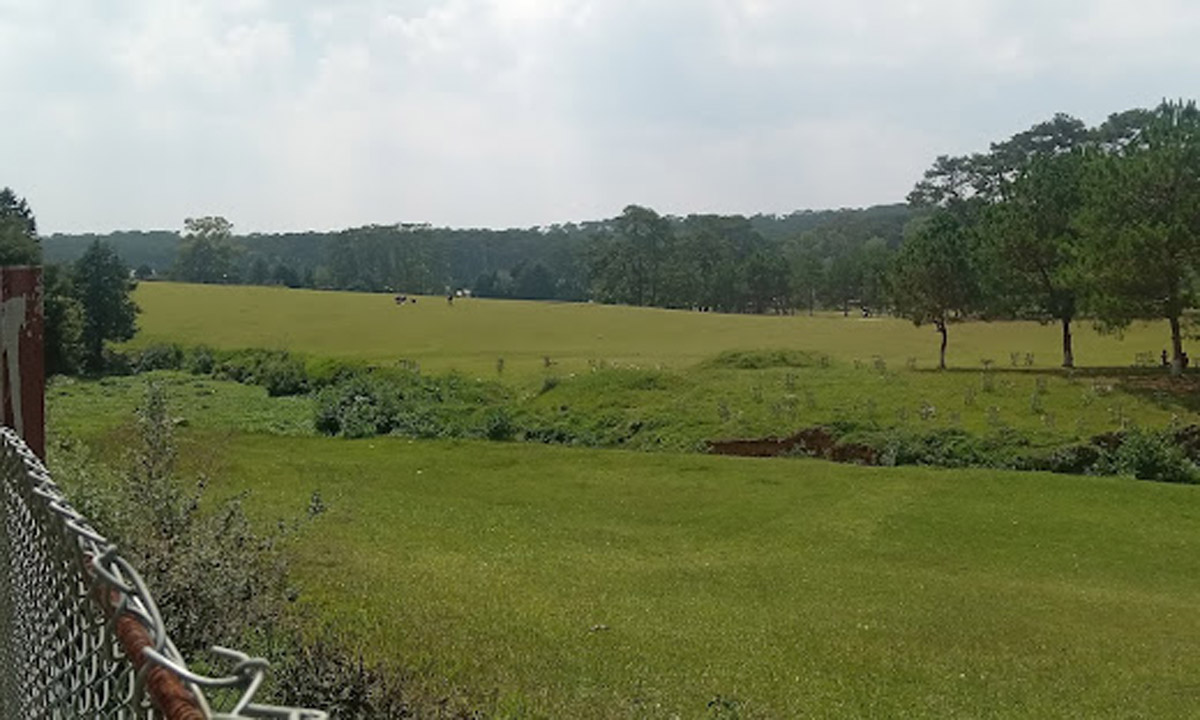
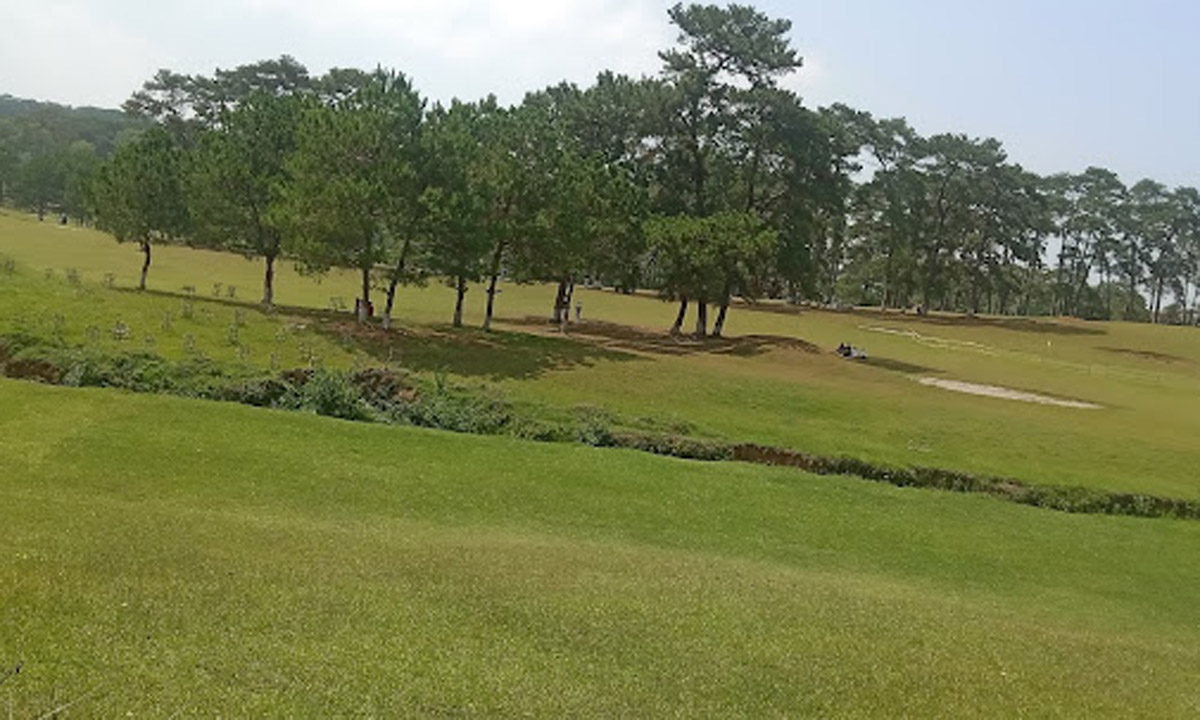
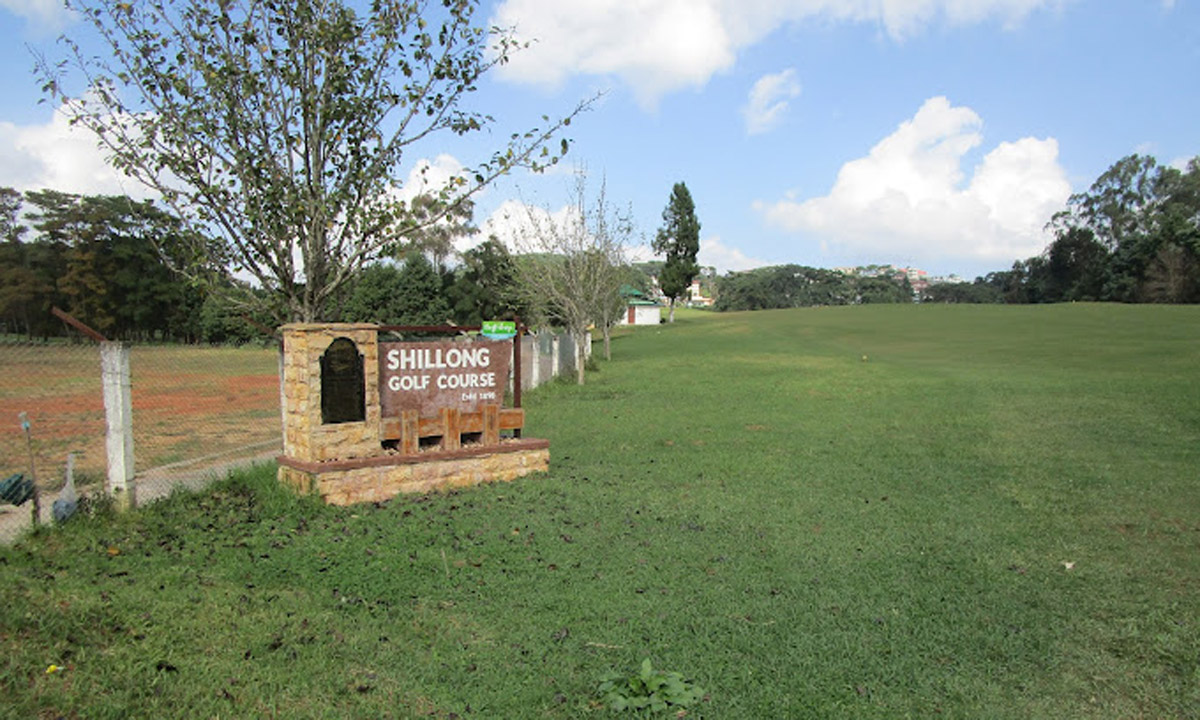
Nestled in the undulating valleys of the East Khasi Hills at 4,750–5,200 feet above sea level, the Shillong Golf Course stands as one of Asia's most extraordinary golf destinations—not merely for its age or altitude, but for its remarkable fusion of history, natural beauty, and enduring challenge. Known affectionately as the "Gleneagles of the East" by the US Golf Association Museum, this 18-hole natural golf circuit has earned a place in the Guinness World Records as one of the oldest and finest golf courses in Asia.
What began in 1898 as a modest 9-hole course carved out by homesick British civil servants has evolved into an 80-hectare masterpiece that transcends sport—it's a sanctuary where pine forests whisper colonial tales, where grazing cattle serve as the world's most unusual natural hazards, and where golfers navigate terrain that challenges both skill and stamina in equal measure.
The Forgotten Origins: From Laban to Golf Links (1878–1898)
Lesser-Known Fact #1: The Laban Precursor
While most sources cite 1898 as the founding year, recent archival research reveals a fascinating prequel: The Shillong Golf Course was originally developed as a 9-hole course in 1878 by Messrs. J.C. Arbuthnoth and B.C. Allen (both Indian Civil Service officers) at Laban, a different location in Shillong.
According to the Shillong Club official records: "The Shillong Golf Course was originally developed as a nine-hole Golf Course in 1878... at Laban, now a separate locality."
Why the relocation? Sources suggest the Laban site proved unsuitable for expansion, leading to the establishment of the current course in 1898 in the picturesque valley now known as Golf Links—a location that offered the rolling, pine-forested terrain perfectly suited for a championship course.
The Third Oldest Golf Course in India: Setting the Record Straight
Age Hierarchy:
- Royal Calcutta Golf Club (1829) – Oldest golf club in India; first outside Great Britain
- Bangalore Golf Club (1876)
- Shillong Golf Course (1878/1898) – Third oldest
Historical Significance: Golf arrived in Shillong through a group of British Civil Service officers stationed in what was then the summer capital of the Assam province (capital shifted from Cherrapunji to Shillong in 1866). These officers, seeking respite from administrative duties and longing for the rolling links of Scotland, found the perfect canvas in Shillong's misty highlands.
As Incredible India notes: "Born from the leisure pursuits of British colonial officials stationed in Shillong in 1898, its formation stands as a testament to the timeless appeal of this timeless game that transcends continents and generations alike."
The 1924 Transformation: Captain Jackson & C.K. Rhodes
Lesser-Known Fact #2: The Architects Behind the 18-Hole Course
In 1924, the course underwent its defining transformation when Captain Jackson and C.K. Rhodes redesigned and expanded the original 9-hole layout into the 18-hole, par-68 championship course that exists today. This expansion was no small feat—it required:
- Preserving natural contours while creating challenging fairways
- Integrating natural hazards (streams, pine groves, undulating terrain)
- Maintaining ecological balance with minimal landscape alteration
Result: A course that remains 70% natural, with no artificial bunkers or water hazards—everything you encounter is nature's design.
Geography & Altitude: The Highest Course Debate
Lesser-Known Fact #3: The Altitude Discrepancy
Various sources cite conflicting elevation figures:
- Official Shillong Club website: 4,750 feet above MSL
- Multiple tourism sources: 5,200 feet (1,580 meters)
The truth? The course's undulating terrain spans approximately 450 feet of elevation change across its 80 hectares—meaning different holes sit at different altitudes. The highest point reaches ~5,200 feet, while the lowest fairways sit closer to 4,750 feet.
Is it Asia's highest golf course? Not quite. That record belongs to:
- Yak Golf Course, Kupup, Sikkim – 13,025 feet (Guinness World Record)
- Golf Course Ranikhet, Uttarakhand – Often cited as "highest in Asia" (~6,000 ft)
- Shillong Golf Course – Highest natural golf course in Northeast India
However, Shillong does hold the distinction of being Asia's largest natural golf course at 80 hectares and one of the oldest continuously operational courses in the region.
The "Gleneagles of the East": A Scottish Kinship
The nickname "Gleneagles of the East" was bestowed by the US Golf Association Museum and the LIS Golf Association, referencing Scotland's legendary Gleneagles Hotel golf courses. The comparison is apt:
Similarities:
- Natural, undulating terrain shaped by glacial and geological forces
- Pine and rhododendron forests framing fairways
- Cool, misty climate (Shillong's annual rainfall ~2,740 mm; called "Scotland of the East")
- Challenging layout demanding strategic play over power
- Aesthetic beauty that rivals playability
Unique to Shillong:
- Cherry blossoms in November during the Shillong Cherry Blossom Festival
- Grazing cattle as live natural hazards (more on this below)
- Himalayan backdrop visible from elevated tees
Natural Hazards: Golf's Most Unusual Obstacles
Lesser-Known Fact #4: Cattle on the Fairways
One of Shillong Golf Course's most charming—and challenging—features is the presence of grazing cattle that freely roam the fairways. According to a December 2024 YouTube documentary:
"The unique undulating terrain, natural hazards, and grazing cattle on the fairways make it both challenging and charming for golfers."
The backstory: Instagram posts from February 2025 reveal: "Legends say the course was once a grazing ground for cattle, transformed by British tea planters into a slice of Scotland in the Northeast."
Today's reality: Local herders still graze cattle on the course's periphery, and golfers must occasionally wait for cows to clear the green—an experience that adds both frustration and folksy charm to the game.
Other natural hazards include:
- Steep elevation changes (up to 450 feet across the course)
- Dense pine groves that swallow errant shots
- Natural water streams crossing several fairways
- Unpredictable wind patterns at altitude
- Morning mist and fog reducing visibility
Course Layout & Challenges
Specifications:
- Total Holes: 18
- Par: 68
- Total Area: ~80 hectares (197 acres)
- Course Type: Natural (no artificial bunkers)
- Fairway Type: 16 of 18 holes natural turf
- Difficulty: Moderate to Challenging
Lesser-Known Fact #5: The Sixth Deepest Hole in India
According to Hotel Polo Towers research: "It has the sixth deepest hole on the course in India lying at a depth of 540 meters."
This dramatic elevation drop makes for one of the most visually stunning—and technically demanding—holes in Indian golf.
Terrain challenges noted by golfers on 18Birdies (2025): "The greens are well laid out within the beautiful city of Shillong. The course is physical fitness demanding due to its location in the undulating terrain."
Flora & Fauna: A Golfer's Biodiversity Experience
Dominant Flora:
- Pine forests (Pinus kesiya) – Framing most fairways
- Rhododendrons – Blooming spring through early summer
- Cherry blossoms (Prunus cerasoides) – November peak during festival
- Ferns and mosses – Ground cover on shaded slopes
- Bamboo groves – Eastern sections
Wildlife Sightings:
- Birds: Khasi Hill Partridge, Fire-tailed Sunbird, Asian Koel
- Mammals: Occasional leopard cat sightings (rare), civets
- Insects: Butterflies (over 50 species documented)
Visitor Experience: Golfers vs. Walkers
Entry Fees & Access (2025–2026):
For Golfers:
- Membership: Available through Shillong Club Ltd. (annual programs)
- Green Fees: Varies by day/season; contact Shillong Club for rates
- Equipment Rental: Available on-site
- Caddy Fees: ₹300–₹500 per round
For General Visitors (Non-Golfers):
- Entry Fee: ₹50 per person (for walking/sightseeing)
- Parking: ₹50
- Timings: Approximately 5:00 AM – 5:00 PM (best to arrive early morning)
- Best For: Morning walks, photography, nature lovers
Visitor Reviews (2026):
TripAdvisor (⭐⭐⭐⭐): "This is one of the finest Golf courses that the Britishers made in Shillong with 18 holes, the location and the surrounding with mighty Pine trees add more of a charm to the club."
Wanderlog (2025): "Great place for strolling. Fee ₹50/person. Set in a rolling valley of rhododendron and pine forests (5,200 ft), it is one of the oldest natural golf courses in Asia."
Instagram (June 2025): "With pine trees all around and mist in the air, it's not just for golf—it's a perfect spot for peaceful walks, stunning photos, and relaxing in nature."
Critical Note (2026): Some visitors mention: "I love the place, but the reception is unreliable and communication is poor. When we don't have exact change for the fees, we're unable to get tickets." (TripAdvisor)
Best Time to Visit
For Golfers:
- October to April: Pleasant weather, clear skies, dry fairways
- Temperature: 10°C–25°C
- Avoid: Monsoon (June–September) – heavy rainfall, slippery greens
For Nature Lovers & Photographers:
- November: Cherry Blossom season – pink blooms across the course; coincides with Shillong Cherry Blossom Festival
- March–April: Rhododendron blooms
- October–December: Post-monsoon clarity; misty mornings
Northeast Explorers (travel blog): "Another location in Shillong which saw really beautiful Cherry Blossom was the Golf course. The already beautiful place, with its palm-tree-lined roads again, looked prettier with the pink blooms."
Heritage & Conservation
Colonial Architecture:
- Clubhouse: Original British-era structure with colonial architecture; still houses member facilities
- Heritage Status: Listed in multiple national heritage tourism documents
Conservation Efforts:
- Minimal landscape alteration – preserved as natural course
- Indigenous tree protection – no clearing of native pine/rhododendron
- Wildlife corridors maintained across course boundaries
Practical Information
Location: Golf Links, Shillong, East Khasi Hills, Meghalaya
Distance from:
- Shillong city center (Police Bazar): ~3 km (10 minutes)
- Guwahati: ~100 km (3 hours)
- Shillong Airport: ~30 km
Contact:
- Shillong Club website: shillongclub.com
- Phone: Check official website for updated contact
Facilities:
- Pro shop
- Equipment rental
- Clubhouse restaurant (members & guests)
- Parking
- Restrooms
What to Bring:
- Comfortable walking shoes (for non-golfers)
- Camera
- Light jacket (mornings can be chilly)
- Cash (limited card facilities)
- Sunscreen
Beyond Golf: Cultural Significance
The Shillong Golf Course isn't just a sporting venue—it's a cultural landmark that represents:
- Colonial Legacy: A tangible link to Shillong's history as Assam's summer capital
- Community Gathering Space: Locals use periphery for morning walks and picnics
- Cherry Blossom Icon: Central location for the annual International Cherry Blossom Festival
- Tourism Asset: Featured in Meghalaya Tourism campaigns as a symbol of "Scotland of the East"
Lesser-Known Facts Summary
✅ Originally founded in 1878 at Laban before relocating to current site in 1898
✅ Captain Jackson & C.K. Rhodes transformed it to 18 holes in 1924
✅ Altitude spans 4,750–5,200 feet across undulating terrain
✅ Sixth deepest hole in India at 540 meters
✅ Grazing cattle still roam fairways as living natural hazards
✅ 80 hectares = Asia's largest natural golf course
✅ Cherry blossoms bloom in November, unique for golf courses
✅ Guinness World Records recognition for historical significance
✅ Once a cattle grazing ground before British transformation
Verdict: More Than Just Golf
⭐ Overall Rating: 4.3/5
Best For:
- Golf enthusiasts (challenging natural course)
- History buffs (colonial heritage)
- Nature photographers (cherry blossoms, pine forests)
- Morning walkers (peaceful, scenic)
- Couples seeking romantic walks
Not Ideal For:
- Serious golfers expecting manicured, modern facilities
- Those seeking bustling tourist attractions
Quote from a 2024 Golfer: "The course is known for its challenging yet enjoyable layout, making it suitable for both experienced golfers and beginners."
Final Reflection
In an era of hyper-manicured golf resorts with artificial lakes and sculptured bunkers, the Shillong Golf Course remains defiantly authentic—a place where nature, not architects, dictates play. Here, cattle wander fairways where British officers once strolled, cherry blossoms rain pink petals on century-old greens, and every shot carries the weight of 127 years of history.
It's not the highest golf course in Asia, nor the most exclusive. But it may well be the most soulful—a living museum where every pine tree is a witness to empire's rise and fall, and every putt rolls across ground that has known generations of dreamers chasing a small white ball toward an elusive hole.
🏌️ Tee off where legends walked—swing where history breathes.
For Tee Times, Membership, & Visitor Information: Visit www.shillong.com