The Village That Gave Up Land for Love
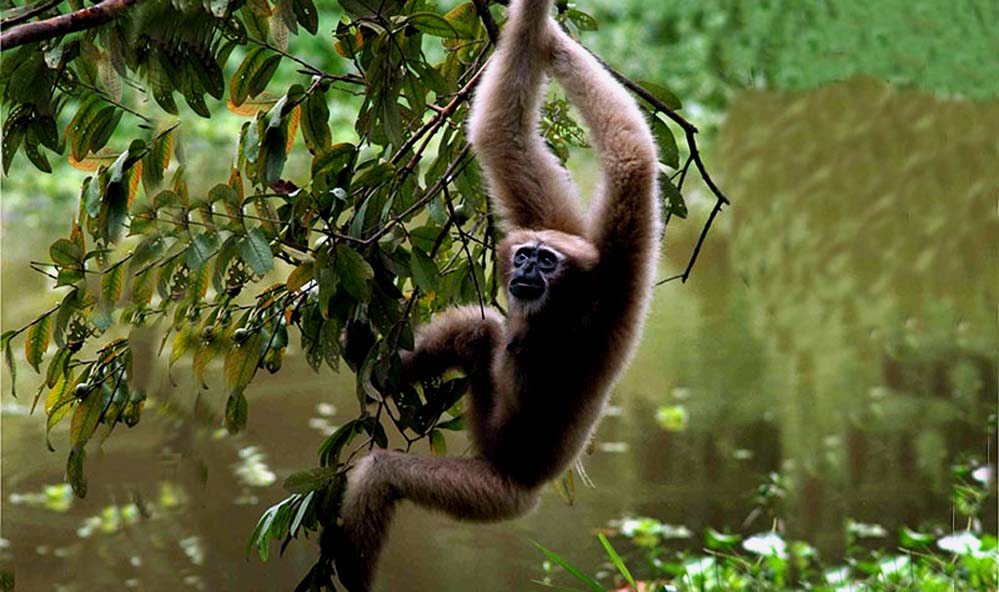
Twenty kilometers from Tura, on the forested slopes of West Garo Hills, lies Selbalgre—a village of roughly 800 souls who've done something extraordinary. They've voluntarily set aside over 600 hectares of their ancestral land not for profit, not for tourism, but for a creature they call Huro: the Western hoolock gibbon, India's only ape.
On December 12, 2025, the Garo Hills Autonomous District Council (GHADC) made it official: Selbalgre Village Wildlife Reserve became a formally protected area, one of 40 Village Reserve Forests (VRFs) now covering 6,753 hectares across the Garo Hills. But the real story began decades earlier, rooted not in legislation but in legend—a Garo belief that if you kill a hoolock gibbon, your entire village will be cursed (Shillong.com, 2026; Wildlife Trust of India, 2025).
This isn't eco-tourism theater. This is community-led conservation in its purest form—where cultural reverence meets ecological crisis, and where morning gibbon calls aren't just sounds, but sacred omens.
The Huro: India's Singing, Swinging Endangered Ape
Meet the Western Hoolock Gibbon
Scientific name: Hoolock hoolock
IUCN Status: Endangered
Global Population: Fewer than 5,000 individuals
India's Population: ~200–300 groups (concentrated in Assam, Meghalaya, Arunachal Pradesh, Nagaland)
The Western hoolock gibbon is a marvel of evolution—tailless primates weighing 6–9 kg, with arms so long they can brachiate (swing) through forest canopies at speeds reaching 55 km/h. Males are jet-black with prominent white eyebrows (hence the nickname "white-browed gibbon"); females are golden-buff with darker faces. Their morning duets—haunting, melodious calls that echo across the hills—serve to mark territory and strengthen pair bonds (New England Primate Conservancy, 2023; Wikipedia, 2026).
In Garo culture, the gibbon isn't just wildlife—it's Huro, a spiritual guardian. Villages with sacred groves believe the gibbon's calls bring good fortune; a call near the village is an omen of prosperity. To kill a gibbon is to invite calamity upon the entire community—a taboo so powerful that it's protected these apes for generations even without legal status (Gibbons Asia, 2024; WTI, 2025).
Why They're Endangered
The Western hoolock gibbon faces existential threats across its range:
- Habitat loss: Jhum cultivation (slash-and-burn farming), coal mining, infrastructure development
- Fragmentation: Isolated forest patches can't support viable populations; gibbons need contiguous canopy for movement
- Hunting: Though illegal, capture for pet trade persists in some areas
- Low reproductive rate: Females give birth to single offspring every 2–3 years, with long juvenile dependency
In Meghalaya, rapid loss of tropical evergreen and semi-evergreen forests has pushed gibbons into shrinking habitat islands. A 2006 study noted dramatic declines across Northeast India, with Meghalaya's gibbon populations particularly vulnerable (Choudhury, 2006; Meghalaya Biodiversity Board, 2017; ScienceDirect, 2021).
Selbalgre: A Living Laboratory of Community Conservation
The Sacred Grove at the Heart
Selbalgre's reserve centers on a sacred grove—a law kyntang in Khasi, or community-protected forest. These groves, common across Meghalaya's tribal communities (Khasi, Jaintia, Garo), are biodiverse refugia where logging, hunting, and even trespassing are culturally forbidden. A 1998 study documented 79 sacred groves in Meghalaya, ranging from 0.01 to 900 hectares, with remarkably high species diversity intact (Tiwari et al., cited in Sacred Earth Trust, 2022).
At Selbalgre, the sacred grove functions as core gibbon habitat—dipterocarp-dominated tropical evergreen forest with bamboo understory, providing fruit, flowers, leaves, and insects that gibbons rely on year-round. The villagers maintain buffer zones around the grove, restricting activities that could disturb gibbons during critical breeding seasons (November–March) (Taylor & Francis, 2024).
Community-Led Expansion
In December 2025, Selbalgre villagers pledged an additional 100 hectares to the reserve—bringing the total protected area to approximately 600+ hectares. This expansion wasn't mandated by government; it was driven by village elders (Nokmas) and community consensus, recognizing that gibbon populations need larger, connected territories to thrive (WTI, 2025).
The Huro Programme, a French-Indian conservation partnership founded in 2006, has worked alongside Selbalgre residents to monitor gibbon populations, restore degraded forest corridors, and educate younger generations about Huro's ecological and cultural importance (Palmyre Conservation, 2024).
Visiting Selbalgre: What to Expect
The Experience
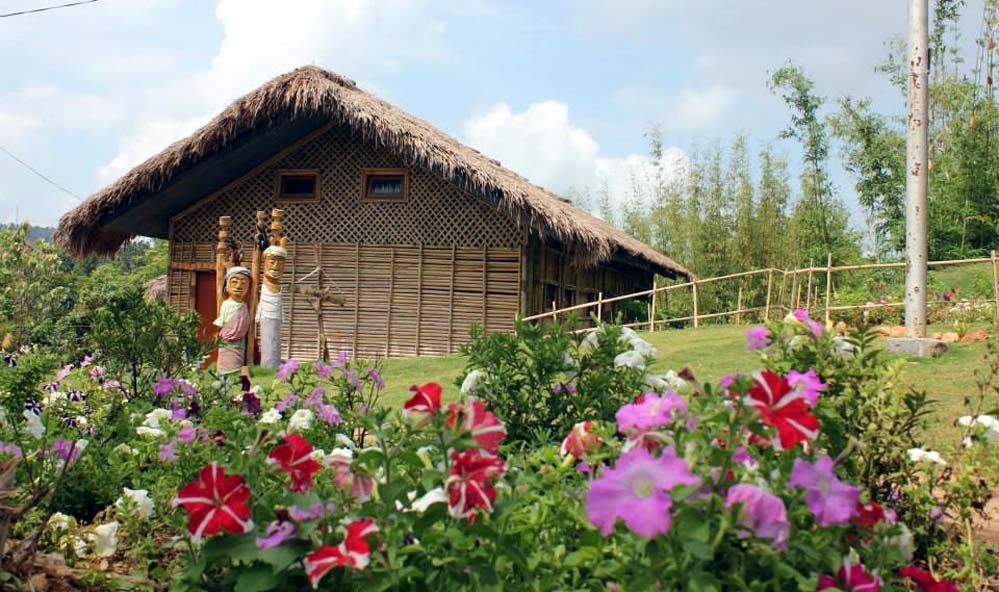
Important Reality Check: Selbalgre is NOT a polished ecotourism destination. There are no visitor centers, no marked trails, no cafés. This is a working village with a conservation ethic, not a wildlife theme park. Visits require local guide coordination, respect for cultural protocols, and realistic expectations about gibbon sightings.
What You Might Experience:
- Early Morning Gibbon Calls (5:30–7:30 AM): The best time to hear hoolock gibbons' haunting duets echoing through the forest—pairs "sing" together to mark territory
- Forest Trek: Guided walk through sacred grove and community forest (2–4 hours); steep, muddy trails; moderate fitness required
- Gibbon Sighting (If Lucky): Gibbons are arboreal and elusive; visual sightings depend on season, weather, and luck. Hearing them is more common than seeing them
- Cultural Interaction: Meet villagers, learn about Garo traditions, sacred grove protocols, and community conservation efforts
Success Rate for Sightings: Moderate. Morning calls are almost guaranteed November–March (breeding season); visual sightings occur in ~30–40% of treks, per anecdotal reports from field researchers (Karger, 2013; ResearchGate, 2013).
Practical Information
Location: Selbalgre village, West Garo Hills District, Meghalaya
Distance from Tura: 20 km (40 minutes by road)
Nearest Airport: Guwahati (Lokpriya Gopinath Bordoloi International Airport), ~220 km
Nearest Railway: Guwahati Railway Station, ~230 km
Getting There:
- From Guwahati: Taxi to Tura (5–6 hours, ₹7,000–₹8,500); then local taxi/jeep to Selbalgre (₹500–₹800)
- From Shillong: Taxi to Tura (121 km, 3 hours, ₹2,500–₹3,500); then local transport
- From Tura: Hire local guide/driver (arrange through homestays or GHADC tourism office)
Entry & Permits:
- Entry Fee: None officially listed (as of 2026); community may request nominal donation (₹100–₹200/person) for conservation fund
- Guide Mandatory: Local guide required (₹500–₹1,000/day); arranging through village Nokma or homestay is standard
- Permits: No special permits for Indian citizens; foreign nationals should check with Meghalaya Tourism (Protected Area Permits may apply)
Best Time to Visit:
- November–March: Peak season. Gibbon breeding/calling activity highest; weather dry and pleasant (10–20°C)
- April–May: Hot (20–30°C) but still viable; reduced gibbon activity
- June–September: Monsoon. Heavy rains, slippery trails, leeches; gibbons less vocal; not recommended
What to Bring:
- Sturdy hiking boots (trails muddy year-round)
- Leech socks/salt (monsoon/post-monsoon essential)
- Binoculars (for distant gibbon sightings)
- Water, snacks (no facilities in forest)
- Insect repellent, sunscreen, hat
- Respectful clothing (cover shoulders/knees when entering village/sacred areas)
Accommodation
In Selbalgre: Very basic homestays available (₹500–₹800/night); arrange in advance through local contacts or GHADC tourism
In Tura (recommended base): Range of options—budget guesthouses (₹800–₹1,500), mid-range hotels (₹1,500–₹3,000); Tura offers ATMs, restaurants, supplies
Sample Itinerary (2 Days):
- Day 1: Arrive Tura → Lunch → Drive to Selbalgre → Evening village walk → Overnight homestay
- Day 2: Pre-dawn wake (5:00 AM) → Gibbon-watching trek (5:30–9:30 AM) → Breakfast → Return to Tura → Optional: Tura Peak/Nokrek side trips
Conservation Context: Why Selbalgre Matters
A Model for Community-Based Protection
Selbalgre represents a paradigm Wildlife Trust of India (WTI) and other conservation bodies are trying to replicate: devolving conservation responsibility to communities who've stewarded these landscapes for centuries. Unlike top-down Protected Areas (national parks/sanctuaries) that can alienate local populations, Village Reserve Forests harness existing cultural reverence and traditional knowledge.
The results speak:
- 40 VRFs notified across Garo Hills (as of December 2025), covering 6,753 hectares
- Habitat restoration: 200 hectares of degraded forest reconnected via community-planted corridors
- Zero reported gibbon killings in Selbalgre for decades (contrast with hunting pressures elsewhere in Northeast India)
On December 4, 2025, over 35 Nokmas (village headmen) from Garo Hills received recognition for their conservation leadership—a rare acknowledgment that traditional authority structures can be powerful allies in biodiversity protection (WTI, 2025; The Shillong Times, 2025).
The Bigger Picture: Meghalaya's Gibbon Populations
Meghalaya hosts one of India's critical Western hoolock gibbon populations, second only to Assam's Hollongapar Gibbon Sanctuary (20.98 sq km, ~125 gibbons). Selbalgre, alongside nearby reserves like Nokrek Biosphere Reserve and community forests in Khasi Hills, forms a fragmented but vital meta-population.
However, challenges persist:
- Infrastructure projects: New roads fragment canopy; gibbons won't cross open ground
- Coal mining expansion: Garo Hills' coal-rich geology attracts extraction that degrades habitat
- Climate change: Shifting rainfall patterns affect fruiting cycles gibbons depend on
- Limited resources: Community reserves operate on shoestring budgets; enforcement relies on voluntary compliance
A 2021 study modeling gibbon conservation status warned that without landscape-level connectivity and sustained community engagement, localized extinctions are likely by 2050 (ScienceDirect, 2021).
Cultural Threads: The Garo and Their Huro
Legends and Lore
Garo oral tradition holds that the hoolock gibbon once lived among humans, serving as messengers between the mortal and spirit worlds. When a great calamity befell the earth, the gibbons retreated to the forest, their mournful calls a reminder of the severed bond. To harm a gibbon is to anger ancestral spirits—a belief so ingrained that even non-animist Christian Garos often maintain the taboo (Gibbons Asia, 2024).
One elder from Selbalgre recounted: "Our grandfathers told us: the forest is alive because Huro is there. If Huro's voice goes silent, the forest will die, and we will follow" (Village Square, 2024).
Conservation Through Culture
This spiritual framework has proven more durable than legal protection alone. In areas without cultural prohibitions, gibbon populations have crashed despite Schedule I status under India's Wildlife Protection Act (1972). Selbalgre's success underscores a critical conservation principle: lasting protection emerges from within communities, not imposed from outside.
The Huro Programme's approach—combining traditional knowledge workshops, youth education, and alternative livelihoods (ecotourism, sustainable forestry)—offers a replicable model for primate conservation across Southeast Asia's biodiversity hotspots (Huro Programme, 2024; Sierra Club, 2023).
The Harsh Reality: Is Selbalgre Worth Visiting?
Visit Selbalgre if you:
- Are genuinely interested in community conservation and cultural ecology (not just "ticking off" wildlife)
- Have realistic expectations: gibbon sightings are NOT guaranteed; hearing calls is the primary experience
- Enjoy off-the-beaten-path travel, basic facilities, authentic village interactions
- Want to support grassroots conservation with your visit (tourism income directly benefits reserve maintenance)
Skip (or reconsider) if you:
- Expect Kaziranga/Ranthambore-level infrastructure and guaranteed sightings
- Aren't comfortable with muddy jungle treks, leeches, basic homestays
- Can only travel during monsoon (June–September)—experience severely compromised
- Prioritize photography over experience (dense canopy makes gibbon photography extremely difficult)
Honest Assessment: Selbalgre is for conservation-minded travelers, not casual wildlife tourists. The experience is humbling, educational, and culturally enriching—but it demands patience, flexibility, and respect for a community that's chosen gibbons over development.
Essential Information at a Glance
| Category | Details |
|---|---|
| Location | Selbalgre village, West Garo Hills, Meghalaya |
| Distance from Tura | 20 km (~40 minutes) |
| Distance from Shillong | 141 km (~3.5 hours via Tura) |
| Distance from Guwahati | ~220 km (~6 hours via Tura) |
| Reserve Status | Village Wildlife Reserve (GHADC-notified, Dec 2025) |
| Area | ~600+ hectares (expanding) |
| Key Species | Western hoolock gibbon (Hoolock hoolock) |
| Best Time to Visit | November–March (gibbon breeding season, dry weather) |
| Entry Fee | None official; nominal community donation ₹100–₹200 |
| Guide Requirement | Mandatory; ₹500–₹1,000/day (arrange via village or homestay) |
| Typical Trek Duration | 2–4 hours (early morning start, 5:30–9:30 AM) |
| Difficulty | Moderate (steep, muddy trails; basic fitness required) |
| Accommodation | Selbalgre homestays (₹500–₹800); Tura hotels (₹800–₹3,000) |
| Mobile Network | Limited (Airtel/Jio work in Tura; spotty in Selbalgre) |
| ATM | Nearest in Tura (20 km) |
| Permits | None for Indian citizens; foreigners check Meghalaya Tourism |
Contacts:
- GHADC Tourism Office, Tura: +91-3651-222001
- Meghalaya Tourism: www.meghalayatourism.in
- Huro Programme: www.huroprogramme.org
Voices from the Field
Researcher Perspective
Dr. Salvador Lyngdoh, Wildlife Institute of India researcher who studied Selbalgre's gibbon ecology, noted: "What makes Selbalgre remarkable isn't just the gibbons—it's the seamless integration of conservation into daily village life. Children grow up knowing Huro's calls; they learn territory boundaries not from textbooks but from elders. This is biocultural conservation in action" (WII Digital Repository, 2024).
Visitor Account (Facebook, 2019)
Prokriti Travels: "Selbagre Hoolock Gibbon Reserve—This small area protected by the community is home to the Hoolock Gibbons, the only ape species found in India. The early morning calls echoing through the mist-covered forest, the sight of a gibbon family brachiating through the canopy—it's a privilege to witness this, knowing the villagers have sacrificed economic opportunities to keep it alive" (Facebook, 2019).
Local Voice
A Selbalgre villager, interviewed by Sierra Club (2023): "People ask why we don't cut the forest for fields or coal money. We tell them: Huro is our wealth. When tourists come and see what we protect, they understand—some things are worth more than money" (Sierra Club, 2023).
Beyond Selbalgre: Nearby Attractions
Tura Peak (4 km from Tura):
Moderate trek; 360° views of Garo Hills and Bangladesh plains
Nokrek Biosphere Reserve (45 km):
UNESCO reserve; Citrus indica gene sanctuary; red pandas, clouded leopards
Balpakram National Park (167 km):
"Land of the Dead" in Garo mythology; tigers, elephants, red pandas; dramatic gorges
Siju Bat Cave (117 km from Tura):
India's 3rd-longest cave system; massive bat colonies
Sample 4-Day Garo Hills Itinerary:
- Day 1: Guwahati → Tura → Tura Peak sunset
- Day 2: Selbalgre gibbon trek (pre-dawn) → Nokrek Reserve visit
- Day 3: Drive to Balpakram → Wildlife spotting → Camp/Baghmara stay
- Day 4: Siju Cave → Return Tura/Shillong
The Verdict: A Pilgrimage, Not a Safari
Selbalgre Hoolock Gibbon Reserve isn't about guaranteed wildlife encounters or Instagram-worthy photos. It's about bearing witness to a community that's chosen ecological stewardship over extraction—in a world where such choices are increasingly rare.
The Western hoolock gibbon, with fewer than 5,000 individuals left, teeters on the edge. Selbalgre's 800 villagers can't save the species alone. But they're holding the line, one sacred grove at a time, proving that conservation driven by culture and respect can endure where laws alone fail.
If you visit, go humbly. Listen for the Huro's call in the dawn mist. Thank the community. Support their homestays and guides. And carry their story back—because the world needs more Selbalgres.
References & Sources
- Choudhury, A. (2006). The distribution and status of hoolock gibbon in Northeast India. Primate Conservation, 20, 79–87. http://www.primate-sg.org/storage/PDF/PC20.hoolock.pdf
- Gibbons Asia. (2024). Gibbon stories, myths and legends from India. https://gibbons.asia/wp-content/uploads/2024/11/Gibbon-Stories-Myths-and-Legands-INDIA-2024.pdf
- Huro Programme. (2024). Who we are. https://www.huroprogramme.org/who-we-are
- Karger. (2013). Survey and census of hoolock gibbon in West Garo Hills, Northeast India. Folia Primatologica, 84(3–5), 170. https://karger.com/fpr/article/84/3-5/170/143900/
- Meghalaya Biodiversity Board. (2017). Faunal diversity. https://megbiodiversity.nic.in/faunal-diversity
- New England Primate Conservancy. (2023). Western hoolock gibbon. https://neprimateconservancy.org/western-hoolock-gibbon/
- Palmyre Conservation. (2024). Huro protection of Western Hoolock Gibbon. https://www.palmyre-conservation.org/en/huro
- Prokriti Travels. (2019, July 8). Selbagre Hoolock Gibbon Reserve [Facebook photo]. https://www.facebook.com/prokrititravels/photos/
- ResearchGate. (2013). Population, behavioural ecology and conservation of hoolock gibbon in Northeast India. https://www.researchgate.net/publication/236178777
- Sacred Earth Trust. (2022, October 27). The sacred forests in the land of clouds. https://sacredearthtrust.in/the-sacred-forests-in-the-land-of-clouds/
- ScienceDirect. (2021). Modelling the conservation status of the threatened hoolock gibbon. Global Ecology and Conservation, 28, e01666. https://www.sciencedirect.com/science/article/pii/S2351989421002766
- Shillong.com. (2026). Selbagre Hoolock Gibbon Reserve, Garo Hills, Meghalaya. https://shillong.com/node/86
- Sierra Club. (2023, July 18). Endangered gibbons and the village that loves them. https://www.sierraclub.org/sierra/endangered-gibbons-and-village-loves-them
- Taylor & Francis. (2024). Conservation at Selbalgre Wildlife Reserve. In Community-led conservation initiatives. https://www.taylorfrancis.com/chapters/edit/10.4324/9781003504870-17/
- The Shillong Times. (2025, December 5). Over 35 Nokmas get recognition for nature conservation efforts. https://theshillongtimes.com/2025/12/05/
- Village Square. (2024, December 10). Western Hoolock Gibbon conservation through Garo folklore. https://villagesquare.in/shes-a-lifeline-for-meghalayas-endangered-western-hoolock-gibbons/
- Wikipedia. (2026). Western hoolock gibbon. https://en.wikipedia.org/wiki/Western_hoolock_gibbon
- Wildlife Trust of India. (2025, December 12). GHADC creates Hoolock Gibbon Reserve in Meghalaya. https://www.wti.org.in/news/ghadc-creates-hoolock-gibbon-reserve-in-meghalaya/
- Wildlife Trust of India. (2025, December 12). Villagers give up more land for wildlife in Meghalaya. https://www.wti.org.in/news/villagers-give-up-more-land-for-wildlife-in-meghalaya/
Article researched and written January 2026. All details subject to change; verify current information before travel.