Where Seven Streams Dance Down the Edge of the World
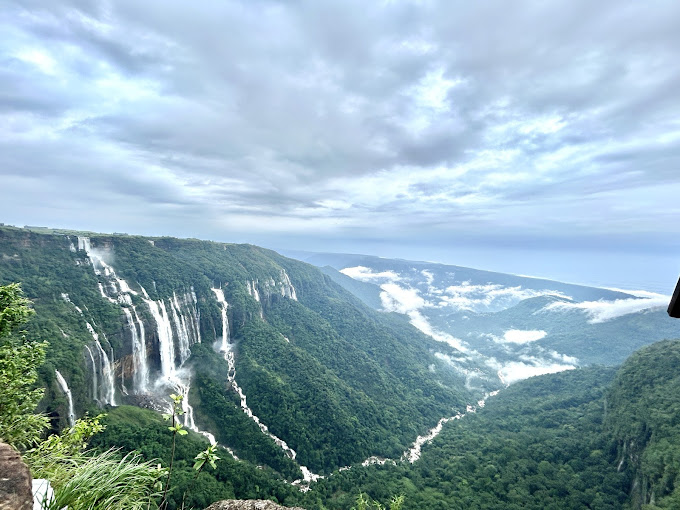
In the mist-shrouded hills of Sohra (Cherrapunji), where clouds collide with cliffs and rainfall measures in meters rather than millimeters, nature has created one of India's most spectacular cascades. Nohsngithiang Falls—known more poetically as the Seven Sisters Waterfall—plunges 315 meters (1,033 feet) down limestone cliffs in seven distinct streams, creating a vision that has captivated travelers since the first visitors ventured into Meghalaya's wettest regions. Located just 4 kilometers from Cherrapunji town in East Khasi Hills, this natural wonder stands as both testament to the region's extraordinary rainfall and symbol of the raw, untamed beauty that defines Meghalaya.
The Seven Sisters: Nature's Symphony in Water
The name "Seven Sisters" refers to the seven segmented streams that cascade side-by-side down the precipitous cliff face during the monsoon season. Like siblings with distinct personalities, each stream follows its own path, yet they remain forever connected—parallel ribbons of white water against moss-covered rock, creating a spectacle that has earned Nohsngithiang recognition as one of India's tallest waterfalls.
The falls originate from the plateau above, fed by rainfall that Cherrapunji receives in abundance. During peak monsoon months (June to September), when the region lives up to its reputation as one of Earth's wettest places, all seven streams flow with tremendous force, merging into a thundering curtain of water that can be heard long before it comes into view. The sheer volume creates perpetual mist that rises from the valley floor, often obscuring the falls' base and lending an ethereal quality to the scene.
According to Khasi mythology, the seven streams represent seven sister spirits who transformed into water to escape an unwanted suitor, choosing to become one with nature rather than submit to an arranged fate. This legend imbues the falls with cultural significance beyond mere geological wonder, connecting the landscape to the spiritual beliefs of the indigenous Khasi people who have called these hills home for millennia.
The Viewpoint: A Front-Row Seat to Majesty
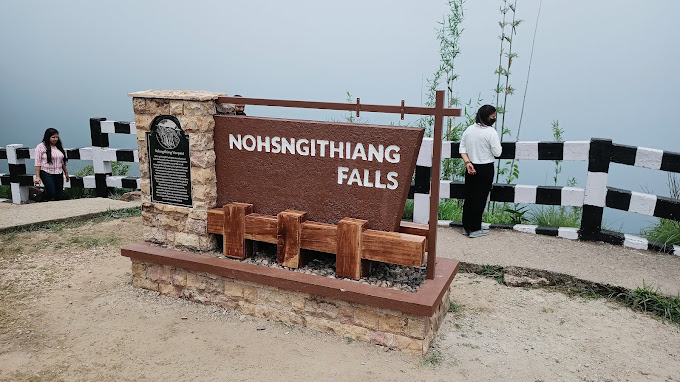
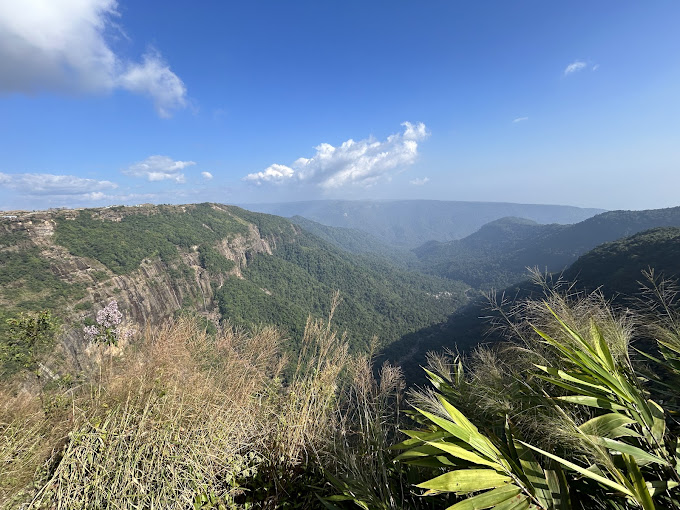
The primary viewing platform for Nohsngithiang Falls sits along State Highway 5, approximately 1 kilometer south of Mawsmai village. This accessible viewpoint requires no strenuous trekking—visitors can drive directly to the site or arrange transport from Cherrapunji town. The strategic location offers panoramic views not only of the falls but of the entire valley below, where the waters eventually join the plains stretching toward Bangladesh.
During monsoon season, the viewpoint becomes an immersive experience. Visitors feel the spray on their faces, hear the roar echoing off valley walls, and witness the raw power of water sculpting landscape. The surrounding plateau, carpeted in vibrant green during rains, provides striking contrast to the white water cascading down dark cliffs. Many travelers report the viewpoint as one of Meghalaya's most photographed locations, though cameras struggle to capture the scale and majesty that human eyes perceive.
The site includes basic facilities—a parking area, small shops selling local snacks and handicrafts, and viewing platforms with safety railings. Local vendors offer traditional Khasi items, including bamboo products and textiles, providing opportunities to support community livelihoods while enjoying the natural spectacle. The area remains open throughout the day with no entry fee, making it an accessible attraction for all visitors.
Seasonal Transformations: The Two Faces of Nohsngithiang
Nohsngithiang Falls presents dramatically different appearances depending on season, and understanding these variations helps travelers set appropriate expectations.
Monsoon Season (June-September): This is when the Seven Sisters truly live up to their name. Heavy rainfall—Cherrapunji receives an average of 11,430 mm (450 inches) annually, with most falling during these months—ensures all seven streams flow with maximum volume. The falls become a roaring cascade, with mist rising high enough to obscure views on particularly heavy rainfall days. The surrounding landscape transforms into vivid green, with countless smaller waterfalls appearing on cliff faces throughout the valley. This is indisputably the best time to witness Nohsngithiang's full glory, though visitors must contend with persistent rain, muddy paths, and occasional road disruptions.
Post-Monsoon (October-November): As rainfall diminishes, the falls maintain reasonable flow while the weather becomes more visitor-friendly. Clearer skies provide better visibility and photography opportunities, though water volume begins decreasing. The landscape remains lush, retaining monsoon's greenery while offering more comfortable conditions for exploration.
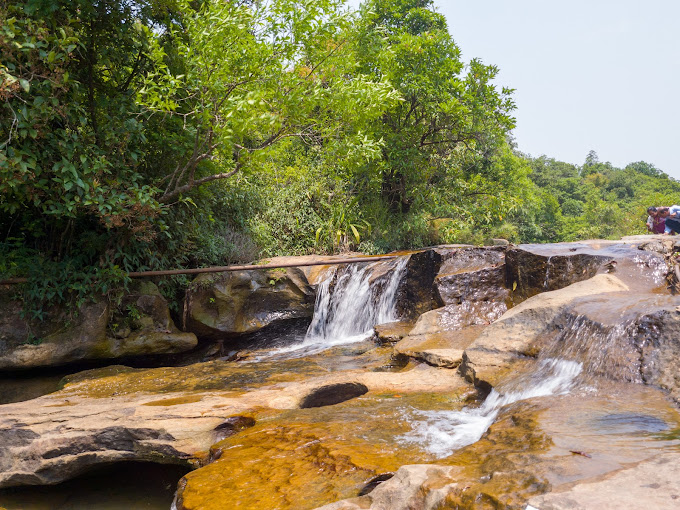
Winter and Pre-Monsoon (December-May): During these drier months, Nohsngithiang often reduces to a trickle or dries completely, with only one or two streams maintaining minimal flow. Many visitors arriving during this period express disappointment, finding only a fraction of the advertised spectacle. The Meghalaya Tourism portal notes that the falls are "seasonal," a fact worth emphasizing for those planning visits outside monsoon months.
According to TripAdvisor reviews, travelers visiting in November often report "barely a waterfall," reinforcing the importance of timing visits to coincide with peak water flow periods.
Beyond the Falls: Cherrapunji's Waterfall Circuit
Nohsngithiang Falls forms part of Cherrapunji's remarkable waterfall circuit, and most visitors combine it with other nearby cascades for a comprehensive experience:
Nohkalikai Falls: Located 7.5 km from Cherrapunji, Nohkalikai is India's tallest plunge waterfall at 340 meters (1,115 feet). Its single-stream drop creates a stunning turquoise pool at the base, and tragic local legend adds poignant cultural context to natural beauty.
Dainthlen Falls: Named after a legendary serpent from Khasi folklore, this waterfall features fascinating rock formations that locals claim resemble the mythical creature. The site includes a large rock where, according to legend, the serpent was defeated.
Kynrem Falls: The region's third-highest waterfall at 305 meters, Kynrem presents a three-tiered cascade best viewed during monsoon when water volume creates impressive spray and sound.
Most travelers allocate a full day to visit multiple waterfalls, often combining them with stops at Mawsmai Cave (a limestone cave system with impressive stalactites and stalagmites) and the iconic living root bridges that have made Cherrapunji internationally famous.
The Living Root Bridge Legacy
While Nohsngithiang Falls showcases nature's power, the nearby living root bridges demonstrate humanity's ingenious adaptation to extreme rainfall. These bioengineered structures—created by training rubber tree (Ficus elastica) roots across rivers and streams—have sustained Khasi communities for centuries, providing monsoon-proof crossings where conventional bridges would wash away.
The famous Double Decker Living Root Bridge, located in Nongriat village about 12 km from Cherrapunji, requires a challenging trek but rewards visitors with one of India's most unique architectural wonders. The combination of thundering waterfalls and living bridges creates a compelling narrative about the Khasi people's relationship with their dramatic landscape—respecting natural forces while developing sustainable solutions for inhabiting one of Earth's most rainfall-intensive regions.
Practical Information: Planning Your Visit
Getting There: Nohsngithiang Falls is located 4 km from Cherrapunji town center along the road toward Lad Ryngud. From Shillong (the state capital), Cherrapunji is approximately 54 km—roughly a 1.5-2 hour drive through scenic mountain roads. Most visitors arrange taxis or join organized tours from Shillong. The viewpoint sits directly on State Highway 5, making it easily accessible by any vehicle.
Best Time: For the full Seven Sisters experience, visit between June and September when monsoon rains ensure maximum flow. July and August typically offer peak water volume, though heavy rainfall may occasionally obscure views. October-November provides a compromise between reasonable flow and better weather. Avoid December-May unless you're content with potentially seeing only one or two streams trickling down the cliff.
What to Bring: Rain gear is essential during monsoon months. Waterproof bags protect cameras and phones from mist and rain. Comfortable, grippy footwear handles slippery surfaces around the viewpoint. Light layers accommodate temperature changes—Cherrapunji sits at approximately 1,370 meters elevation, where weather can shift rapidly.
Duration: Most visitors spend 30-60 minutes at the falls viewpoint, allowing time for photography, exploration, and soaking in the atmosphere. Combining Nohsngithiang with other Cherrapunji attractions typically requires 6-8 hours.
Accommodation: Stay in Cherrapunji town, where options range from budget guesthouses to mid-range hotels. Many properties offer valley views and easy access to all major attractions. Booking ahead is recommended during peak tourist season (October-November and March-May).
Environmental Consciousness and Responsible Tourism
Cherrapunji's fame as one of Earth's wettest places coexists paradoxically with water scarcity. Despite receiving extraordinary rainfall, the region experiences dry season shortages due to rapid runoff on limestone terrain that prevents groundwater retention. This environmental reality makes responsible tourism crucial.
Visitors should minimize plastic use, properly dispose of all waste, and support local businesses rather than large external operators. The viewpoint area, while generally well-maintained, benefits from conscientious travelers who leave no trace. Purchasing handicrafts from local vendors provides direct economic benefits to Khasi communities, supporting livelihoods while preserving traditional skills.
The falls themselves require no physical contact—viewing from designated platforms protects both visitor safety and the natural environment. Respect barriers and warnings, as cliff edges can be treacherous, particularly when wet.
Conclusion: A Natural Wonder Worth the Journey
Nohsngithiang Falls embodies the dramatic beauty that makes Meghalaya—"the abode of clouds"—one of India's most captivating destinations. The Seven Sisters in full monsoon flow present a spectacle that transcends photography, demanding presence and attention in a way few natural wonders can. The thundering water, perpetual mist, verdant surroundings, and vast valley views create sensory immersion that lingers long after departure.
For those who time their visit correctly, witnessing all seven streams cascading together justifies the journey through mountain roads and monsoon rains. Even for visitors arriving during lesser flow periods, the viewpoint offers extraordinary valley panoramas and context for understanding the forces that have shaped this unique landscape.
As you stand at the viewpoint, watching water plunge from cloud-level heights toward distant plains, the Khasi legend of seven sisters transformed into eternal streams feels less like myth and more like truth—a story acknowledging that some natural wonders transcend explanation, existing simply as testament to the Earth's capacity for beauty. Nohsngithiang Falls invites not just observation but contemplation, reminding us that nature's grandest performances often occur in the world's remotest, rainiest corners.
References: