14 kilometers from Nongstoin, West Khasi Hills, Meghalaya
THE ISLAND TIME FORGOT
There are places that exist outside the frantic pace of modern tourism—sanctuaries where silence holds weight and absence of crowds feels like privilege. Nongkhnum Island is one such place.
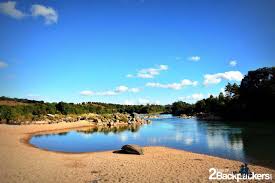
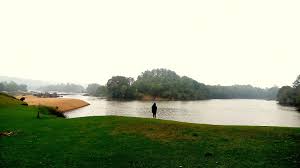
Picture yourself on a vast expanse of golden sand, the Kynshi River flowing crystal-clear on either side, mountains rising in the distance. You're standing on Asia's second-largest river island—yet there are barely a dozen other souls here. No vendors, no selfie sticks. Just the river, the sand, and you.
Located 14 kilometers from Nongstoin in West Khasi Hills, Nongkhnum spans 20-25 square kilometers, making it Meghalaya's largest river island and Asia's second-largest after Assam's Majuli[1]. Discovered only in the late 1990s, it remains pristine and uninhabited, protected by geography and the sacred reverence of local Khasi people who've guarded it for generations[2].
WHERE ONE RIVER BECOMES TWO
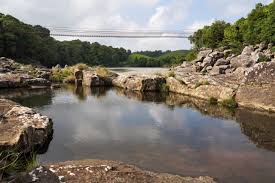
Nongkhnum is a geological marvel where the Kynshi River—Wah Kynshi locally—splits into two channels: the Phanliang flowing east and north, the Namliang coursing west and south. These twin arteries reunite downstream, creating a teardrop-shaped sanctuary of sandy beaches, meadows, and riverine forest[3].
Unlike most river islands, Nongkhnum offers rare accessible sandy beaches. The fine golden sand expands dramatically during dry season (October-March) as water levels drop, creating natural camping grounds[4]. The river water is remarkably clear—especially November to February—allowing you to see pebbles several feet below the surface.
As one visitor wrote in 2017: "The place is really beautiful, amidst nowhere. When I reached there was practically no one. You can simply sit and watch the river flow by. It's meditative."[5]
NATURAL ATTRACTIONS
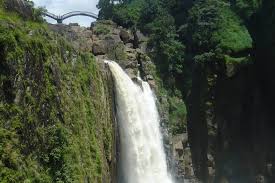
Weinia Falls lies 30-45 minutes from the main beach area. This 60-meter cascade on the Kynshi River is gentle during dry months, thunderous during monsoon[6]. The moderate forest trail rewards hikers with mist-cooled air and the roar of water meeting rock.
Langshiang Falls, further upstream, requires a more challenging 2-3 hour round-trip trek. This multi-tiered cascade tumbling through forest stages offers intimate encounters with Meghalaya's hydrological drama—best visited October to February when trails are manageable[7].
THE EXPERIENCE: GETTING THERE
From Guwahati: 180 km (5-6 hours by private vehicle)[8]
From Shillong: 100-120 km (3-3.5 hours via Mairang and Nongstoin)[9]
From Nongstoin: Final 14 km requires 4WD; roads can be rough
A TripAdvisor reviewer from March 2023 noted: "About 3 hours journey from Shillong. The road condition in the last stretch of about 15 km is a little rough but overall a fantastic drive. A good place for people who love nature and want peaceful time away from the crowd."[10]
The final approach crosses a suspension bridge over the Kynshi, then a 10-15 minute walk to the beach. That moment of arrival brings cognitive dissonance—hours of travel through remote terrain, and then you emerge onto a vast sandy beach that's actually empty.
An Instagram post from July 2025 captured it: "Nongkhnum Island: Asia's 2nd largest river island, where silence speaks louder than the crowd. Pure magic."[11]
WHAT TO DO
Camping is the signature experience. Overnight stays allow you to witness sunset, gather around bonfires, and sleep under Meghalaya's star-filled skies. Camping packages (₹1,500-3,000 per person) include tents, meals, and bonfire. DIY camping is free[12].
River activities during dry season include boating on calm sections, fishing with permission, and swimming in designated safe zones. Local guides know which areas are safe and where currents pose hazards.
Beach meditation: The primary activity is paradoxically inactivity—spread a blanket, wade in shallows, watch the river flow, read, nap, journal. Simply exist in the moment.
Waterfall trekking to Weinia (30-45 minutes) or Langshiang (2-3 hours). Proper footwear essential; local guides strongly recommended (₹500-1,000/day)[13].
Photography and birdwatching: Endless opportunities for landscape shots, sunset photography, and astrophotography. The diverse riverine ecosystem attracts numerous bird species, especially at dawn.
WHEN TO VISIT
November to February: Peak season with temperatures 15-25°C, clear skies, lowest river levels, maximum beach exposure, safest water activities, best stargazing[14].
October, March, April: Shoulder season—still pleasant but warming (March-April) or transitioning from monsoon (October).
June to September: Monsoon brings spectacular waterfalls but dangerous river conditions, restricted camping, and challenging roads. Only for adventurous souls with experienced guides[15].
PRACTICAL INFORMATION
Entry: Free (parking ₹20-50)[16]
Guide fee: ₹500-1,000/day (highly recommended)
Camping cost: DIY free; packages ₹1,500-3,000 per person
Mobile network: Limited/unreliable (BSNL intermittent)
ATMs: None; nearest in Nongstoin (14 km)—bring cash
Permits: None required for Indian nationals
What to bring: Sturdy shoes, quick-dry clothes, sunscreen, insect repellent, water bottles, dry bags, camping gear (if DIY), flashlight, first-aid kit, cash. No shops or restaurants on island—carry all food and water.
Critical: Carry all trash back out. The pristine condition results from active maintenance by local communities. Practice strict Leave No Trace ethics.
ACCOMMODATION
On Island: Camping only. Book through Incredible Meghalaya Tours, Adventura (www.adventura.in), or local Nongstoin operators.
In Nongstoin (14 km):
- Budget homestays (₹500-1,200): Serene Homestay, AI Homestay, Kiva Homestay
- Mid-range (₹2,000-3,500): Edena Nongkhnum Island Retreat, Sa-I-Mika Resort[17]
Advance booking recommended for November-February.
CULTURAL CONTEXT
For Khasi people, Nongkhnum holds spiritual significance. The Kynshi River is sacred, and traditional beliefs have preserved the island's pristine condition. The late 1990s discovery was partly due to cultural restrictions on casual visitation[18].
Village headmen (Rangbahs) maintain informal but effective oversight, setting terms: low-impact visitation, no permanent structures, respect for sanctity. This is biocultural conservation—preservation through indigenous community values rather than solely government regulation[19].
The island supports rich biodiversity: endemic plant species, bamboo groves, diverse bird species, small mammals, and abundant fish populations[20].
NEARBY ATTRACTIONS
Kyllang Rock (30 km from Nongstoin): Massive granite dome sacred to Khasi communities. 30-minute trek to summit offers 360-degree views[21].
Mawthadraishan Peak: Highest point in West Khasi Hills (1,963 m) with crater lakes and panoramic vistas.
Nongstoin Town: District headquarters offering authentic Khasi market culture and local life glimpses.
SAFETY ESSENTIALS
Water: Never enter during high-flow/monsoon. Follow guide advice. Supervise children closely. Flash floods possible during heavy upstream rainfall[22].
Trails: Slippery when wet. Proper footwear essential. Stay on established paths. Hike in groups.
Sun: UV intense at altitude. Apply sunscreen regularly, wear hat, seek shade, hydrate.
Waste: Carry everything out. No exceptions.
THE VERDICT
Nongkhnum isn't for luxury-seekers or those wanting easy accessibility. It's for travelers yearning for unspoiled nature, river sounds, star-filled skies, and rare solitude. This is adventure travel without extreme difficulty—just willingness to disconnect, embrace simplicity, and respect nature.
A Facebook visitor in October 2025 declared: "Nongkhnum Island Beach. One of my favourite places in Meghalaya. The tranquility here is unmatched."[23]
In an age when even remote destinations struggle under tourist influxes, finding places where silence dominates is increasingly rare. Nongkhnum represents what's vanishing: true remoteness, genuine quiet, nature on its own terms.
Twenty-five square kilometers of sand, water, and silence. Asia's second-largest river island. And hardly anyone knows it's there.
Go with humility. Leave with memories. And carry the secret gently.
ESSENTIAL INFORMATION
Location: 14 km from Nongstoin, West Khasi Hills
Size: 20-25 sq km | Status: Asia's 2nd largest river island
Distances: Nongstoin 14 km | Shillong 100-120 km | Guwahati 180 km
Best Time: October-March (peak: November-February)
Activities: Camping, beach, boating, trekking, photography, stargazing
Entry: Free | Guide: ₹500-1,000/day
Camping: ₹1,500-3,000 per person (packages)
Contacts: West Khasi Hills Tourism, Nongstoin | www.meghalayatourism.in