Just 14 kilometres from Baghmara, a cluster of three caves guards one of the Indian subcontinent's most remarkable underground systems—largely unknown to the outside world
The entrance is deceptively small—a modest circular opening barely a metre across, half-hidden by forest vegetation. Nothing about it suggests what lies beyond. But squeeze through that unassuming hole and you enter Tetengkol Balwakol, India's second-longest cave system, stretching over 5.3 kilometres through the limestone heart of the Garo Hills.
This is Nengkong, a village 14 kilometres north of Baghmara that remains one of Meghalaya's best-kept secrets. While tourists flock to Mawsmai Cave in Cherrapunji or Siju Cave further south, Nengkong sits quietly off the beaten path, harboring not one but three significant cave systems that few outside the caving community even know exist.
"Located just 7 kilometers from Karukol village junction in Siju, Nengkong is peaceful haven off the beaten path," notes Meghalaya Tourism. That peaceful obscurity may not last much longer.
THE CAVE OF DWARFS WITH INVERTED FEET
Tetengkol Balwakol translates from Garo as "Cave of Dwarfs with Inverted Feet"—a name steeped in local legend. According to traditional stories passed down through generations, the cave was once home to supernatural beings whose footprints appeared backwards, confusing anyone who tried to track them.
Whether or not dwarfs with backwards feet ever dwelled here, what definitely exists is one of Asia's most extensive limestone cave systems. British cavers from the Bristol Exploration Club first properly surveyed Tetengkol in 1994, and their findings astonished the caving world.
"Tetengkol is now the longest cave in the Indian subcontinent, having over 5 kilometres of surveyed passage," reported the expedition team. "It has at least 27 ongoing leads so the possibility of extending its length is tremendous."
Though subsequent discoveries have pushed it to second place behind Krem Liat Prah (now over 30 kilometres), Tetengkol Balwakol remains a giant—currently measured at 5,681 metres of mapped passages, with much more likely undiscovered.
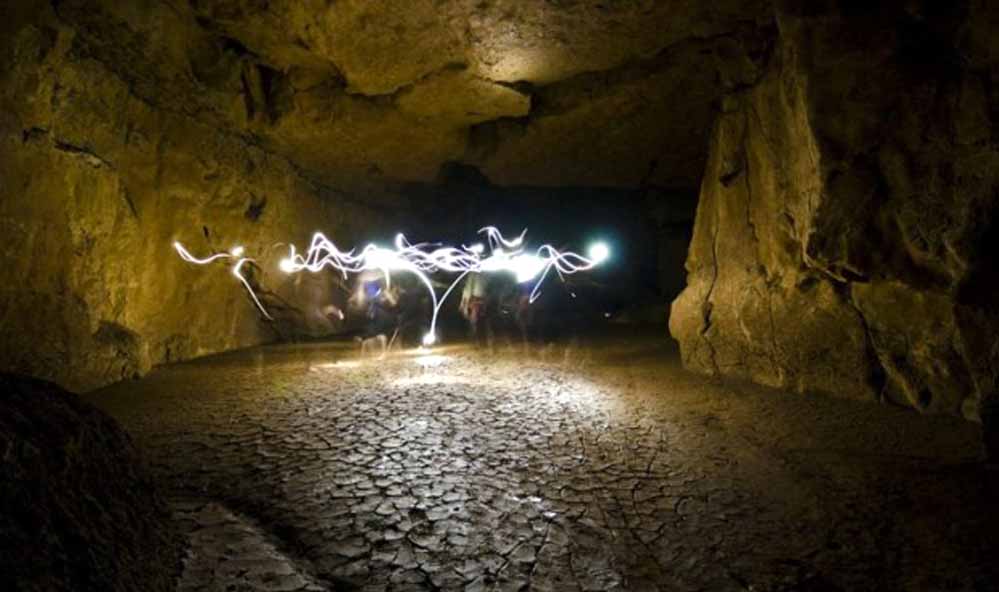
The cave system forms a complex maze beneath Nengkong village. Multiple passages branch and reconnect, creating a three-dimensional labyrinth that requires experienced guides and proper equipment to navigate safely. Unlike tourist caves with concrete paths and electric lights, this is raw caving—dark, damp, and demanding.
THREE CAVES, ONE CLUSTER
Nengkong's reputation rests on more than just Tetengkol Balwakol. The village sits atop a limestone formation riddled with caves, three of which have been explored and documented:
1. Tetengkol Balwakol
- Length: 5,681 metres (5.3 kilometres)
- Status: India's second-longest cave
- Characteristics: Maze of passages, at least 27 unexplored leads
- Entrance: Two small circular openings, approximately 1 metre diameter
- Difficulty: Advanced caving skills required
2. Dobbakol Chibe Nala
- Length: Approximately 2 kilometres
- Location: Hidden behind a large rock in the Chibe Nala river
- Characteristics: River cave with water passages
- Entrance: Concealed, requiring local knowledge to find
- Special feature: Like a "treasure hunt" according to explorers
3. Bok Bok Dobhakol
- Length: Approximately 1 kilometre
- Status: Least documented of the three
- Characteristics: Bat cave (Dobhakol means "cave of bats" in Garo)
- Accessibility: Requires local guide
All three caves are surrounded by dense forest, contributing to Nengkong's reputation as what the North Eastern Council calls "the Land of Wonders, where nature's most beautiful [features] hide."
A VILLAGE IN THE FOREST
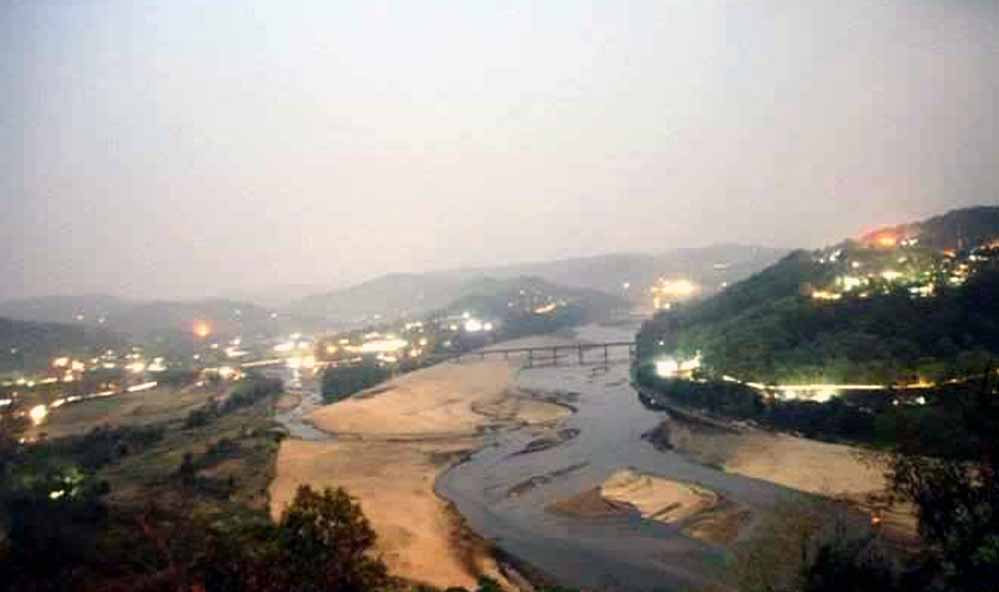
Unlike Cherrapunji's developed tourism infrastructure or even Lumshnong's growing visitor facilities, Nengkong remains genuinely remote. The village itself is tucked into dense Garo Hills forest, accessible via rough roads from Baghmara, the South Garo Hills district headquarters.
"An unusual village tucked away in the dense forest of the Garo Hills, Nengkong boasts verdant landscapes, cave explorations and heavenly treks," describes Travel + Leisure Asia's coverage of off-beat Meghalaya destinations.
The isolation isn't just geographical—it's temporal. Visit Nengkong and you step into a pace of life that cities abandoned generations ago. Houses dot the hillside, mostly traditional Garo construction. Villagers farm the surrounding land and forest. Children play in streams. And beneath it all, literally, stretch kilometres of unexplored limestone passages.
The village's hot springs add another dimension to its appeal. Located near Nengkong (Chibe gittim) village, these natural thermal waters bubble up from underground, creating pools where locals have bathed for generations. The springs—known locally as Dinggipa Chimik—provide a soothing end to a day of strenuous cave exploration.
THE DISCOVERY THAT CHANGED EVERYTHING
Nengkong's caves weren't unknown to locals—Garo hunters had explored the entrances for centuries. But their true scale remained a mystery until international caving expeditions began systematically surveying Meghalaya's limestone regions in the 1990s.
The Bristol Exploration Club's 1994 expedition to Meghalaya spent considerable time in the Nengkong area. What they found exceeded expectations. The "insignificant circular entrance" they squeezed through led to passage after passage, chamber after chamber, a seemingly endless network carved through ancient limestone.
Survey teams spent weeks mapping what they could reach. Each expedition added hundreds of metres to the known length. But even after multiple surveys, the cave continued to reveal new passages. Those 27 unexplored leads documented in 1994 suggest Tetengkol Balwakol could extend much further than currently mapped.
"The possibility of extending its length is tremendous," noted expedition reports—a tantalizing prospect for serious cavers.
GEOLOGY WRITTEN IN STONE
Like all of Meghalaya's major caves, Nengkong's systems formed through karst processes—the dissolution of limestone by slightly acidic water over millions of years. But the specific characteristics of these caves reveal details about their formation history.
The limestone here formed during the Eocene epoch, when this region lay beneath ancient seas. Marine organisms died and accumulated, their calcium carbonate shells compressing into thick limestone beds. As tectonic forces lifted the land, creating the Meghalaya plateau, rainwater began its patient work of dissolution.
What makes Tetengkol Balwakol particularly interesting geologically is its maze-like structure. Unlike simple river caves with a main passage and tributaries, maze caves form when water percolates through the limestone in multiple directions, creating interconnected passages at similar levels. This suggests the cave developed when the water table was relatively stable, allowing horizontal dissolution to dominate.
The presence of multiple entrances—including the two circular openings of Tetengkol—indicates complex hydrological history. Each entrance represents a point where underground water once emerged at the surface, though the river that carved these passages now flows elsewhere.
THE ADVENTURE—AND THE CHALLENGE
Visiting Nengkong's caves isn't like visiting Mawsmai. There are no concrete pathways, no electric lights, no tourist infrastructure. What exists is adventure caving in its purest form—challenging, potentially dangerous, and utterly rewarding for those prepared for it.
What to Expect:
The journey begins in Baghmara, where you'll need to arrange local guides. From there, it's 14 kilometres to Nengkong village—a drive that can take an hour or more depending on road conditions.
At Nengkong, local guides will lead you to the cave entrances. For Tetengkol Balwakol, expect to squeeze through that one-metre opening and immediately enter darkness. Your headlamp becomes your world. The passages vary dramatically—some large enough to walk upright, others requiring crawling on your belly through tight squeezes.
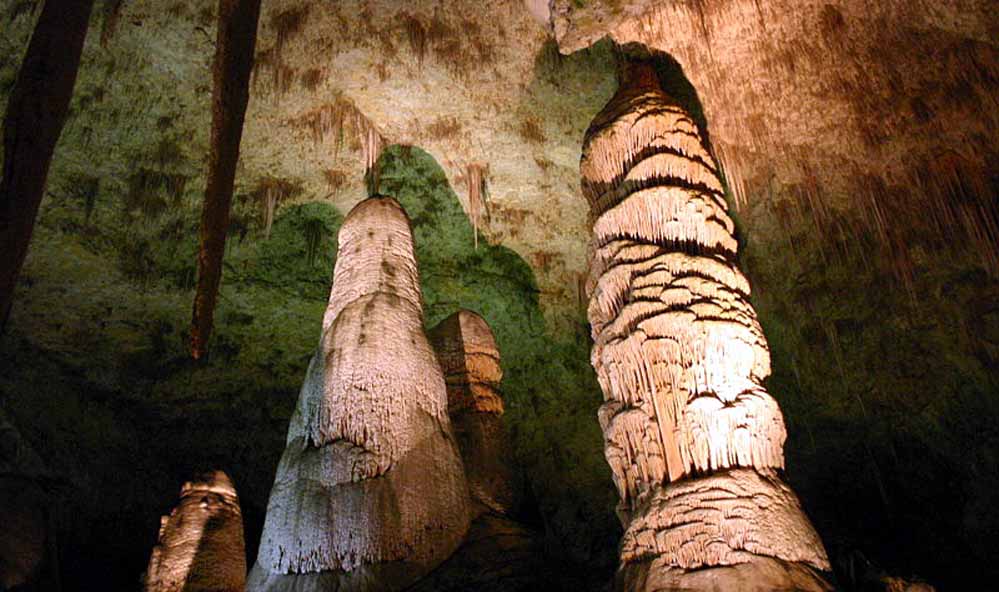
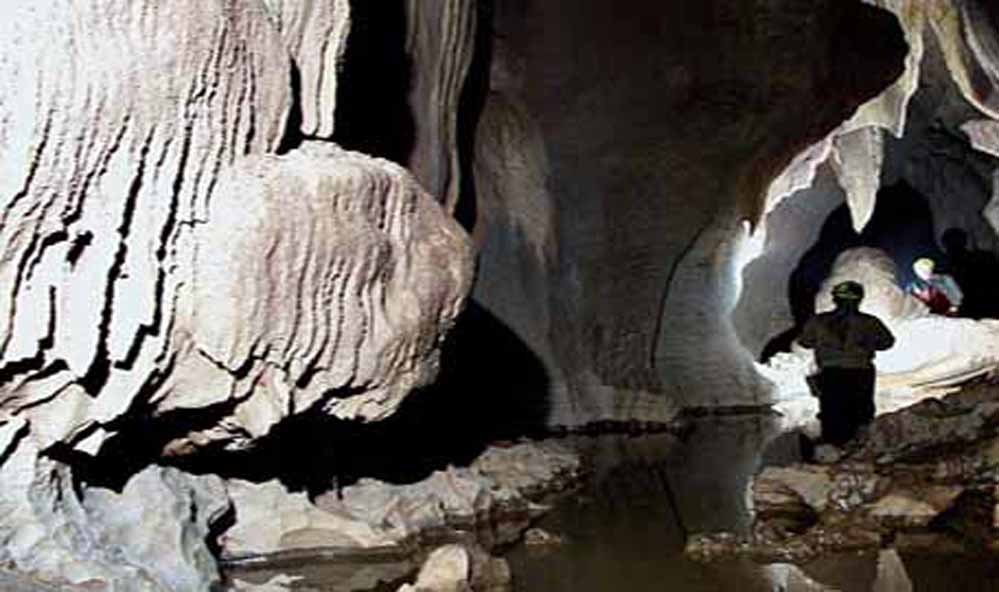
Water drips constantly. The air feels heavy with humidity. Limestone formations appear in your lamp beam—stalactites, stalagmites, flowstones created over millennia. And everywhere, the passages branch. Without a guide who knows the system, getting lost would be easy and potentially fatal.
"At 17,500 feet, this cave is also called the cave of the dwarves," notes one travel guide, referring to Tetengkol's total passage length. "The small entrance here leads to the second largest cave in the Indian sub-continent."
For Dobbakol Chibe Nala, the challenge is different—finding the entrance. Hidden behind a large rock in the river, it requires local knowledge just to locate. Once inside, expect water passages where you might wade through underground streams.
Who Should Visit:
Nengkong's caves are emphatically not for casual tourists. They're for:
- Experienced cavers with proper training
- Adventure seekers in good physical condition
- People comfortable with darkness, tight spaces, and physical exertion
- Those who understand that "extreme" isn't marketing hype here
If you have claustrophobia, mobility issues, or expect a sanitized tourist experience, choose Mawsmai or Siju instead. But if you want genuine exploration—the kind where you're genuinely venturing into passages few humans have seen—Nengkong delivers.
PRACTICAL INFORMATION
Getting There:
- From Shillong: 287 km (8-9 hours by road)
- From Guwahati: Approximately 250 km (8-10 hours)
- From Baghmara: 14 km north (about 1 hour)
- Nearest airport: Guwahati (250 km)
Best Time to Visit:
- November to March: Dry season, best for caving
- Avoid June-September: Monsoon season floods caves and makes roads impassable
Essential Requirements:
- Local guide: Absolutely mandatory
- Caving experience: Strongly recommended
- Proper equipment: Headlamps, helmets, appropriate clothing
- Physical fitness: Good condition required
- Time: Allow full day for cave exploration
Where to Stay:
- Nengkong Village: Basic homestays available through local arrangements
- Baghmara: Guesthouses and circuit house (14 km away)
- Facilities: Very basic; come prepared
Entry Fees:
- Varies; arrange through guides
- Typically ₹200-500 per person depending on cave and group size
Important Safety Notes:
- Never enter caves without experienced local guides
- Caves are dark, potentially dangerous, and easy to get lost in
- Some passages require crawling through tight spaces
- Mobile phone coverage is limited or non-existent
- Emergency medical facilities are hours away
BEYOND THE CAVES
Nengkong offers more than subterranean adventures:
Hot Springs (Dinggipa Chimik) Natural thermal springs near the village provide a relaxing counterpoint to cave exploration. The waters are believed to have therapeutic properties and offer a welcome respite after strenuous caving.
Forest Trekking The dense forests surrounding Nengkong offer excellent trekking opportunities. Trails wind through primary forest where you might spot hornbills, monkeys, and if you're very lucky, clouded leopards.
Nearby Attractions:
- Siju Cave: 30 km south—India's third-longest cave, more accessible than Nengkong's systems
- Balpakram National Park: The "Land of Spirits" with dramatic canyon landscapes
- Baghmara Reserve Forest: Rich biodiversity and wildlife viewing
- Nokrek Biosphere Reserve: UNESCO site protecting red pandas and hoolock gibbons
THE THREAT AND THE HOPE
Like much of Meghalaya's limestone cave systems, Nengkong faces pressures from development. Limestone quarrying has destroyed cave entrances elsewhere in the state. The cement industry's appetite for raw materials continues growing.
So far, Nengkong's remoteness has protected it. But remoteness is a fragile shield. As Meghalaya develops infrastructure, even distant villages become accessible. What was once days of difficult travel can become hours on improved roads.
The question facing Nengkong is the same facing all of Meghalaya's cave regions: development for what? Short-term extraction that destroys irreplaceable natural wonders? Or sustainable tourism that preserves these systems while providing economic benefits to local communities?
Brian Kharpran Daly of the Meghalaya Adventurers' Association advocates for the latter. "These caves are treasure," he argues. "Once destroyed, they can never be rebuilt. But preserved and managed responsibly, they can draw visitors and generate income for generations."
International caving expeditions continue documenting Meghalaya's caves, racing against time to map and study systems before they're lost. Each survey adds to scientific knowledge. Each discovery reinforces the argument for conservation.
A SECRET WORTH KEEPING—OR SHARING?
There's an interesting paradox in writing about Nengkong. Part of its appeal is its obscurity—the sense that you're genuinely off the beaten path, exploring something few others have seen. Publicizing it risks destroying that very quality.
Yet obscurity doesn't guarantee protection. Without awareness of Nengkong's significance, there's no constituency to advocate for its preservation when bulldozers and quarries approach. Sometimes the best protection for a place is people who care about it.
The solution may lie in selective promotion—making Nengkong known to serious adventure tourists and cavers who will appreciate it responsibly, while avoiding mass tourism that would overwhelm the village and damage the caves.
"Revel in Meghalaya's Mystique Marvels," the North Eastern Council proclaimed about Nengkong. "Nestled in South Garo Hills, Nengkong is the 'Land of Wonders.'"
Those wonders remain largely intact, largely unexplored, largely unknown. Whether they stay that way depends on choices being made now—by government officials deciding development priorities, by tourism operators planning new destinations, by travelers choosing where to go and how to behave when they get there.
THE VERDICT
Nengkong Cave—specifically the Tetengkol Balwakol system—represents adventure caving at its finest. No concrete paths. No electric lights. No crowds. Just you, your guide, your headlamp, and kilometres of limestone passages waiting to be explored.
It's not for everyone. The remoteness, the physical demands, the genuine danger all require careful consideration. But for experienced cavers and serious adventure seekers, Nengkong offers something increasingly rare: a frontier that still feels like a frontier.
Stand at that small circular entrance, knowing that beyond lies India's second-longest cave, knowing that passages branch into darkness that few humans have penetrated, knowing that you're about to enter a world carved over millions of years—and you understand why cavers speak of Nengkong with a mixture of reverence and excitement.
Some places hide in plain sight not because they're unremarkable, but because their true nature reveals itself only to those willing to squeeze through small openings into darkness, to navigate by headlamp through mazes of stone, to earn their discovery through effort and courage.
Nengkong is one of those places.
ESSENTIAL INFORMATION
Location: Nengkong Village, 14 km north of Baghmara, South Garo Hills, Meghalaya
Main Cave: Tetengkol Balwakol (India's 2nd longest at 5,681 metres)
Additional Caves: Dobbakol Chibe Nala (2 km), Bok Bok Dobhakol (1 km)
Distance from Shillong: 287 km
Distance from Guwahati: ~250 km
Best Time: November-March
Difficulty: Advanced (proper caving experience required)
Guide: Mandatory
Duration: Full day for cave exploration
Accommodation: Basic homestays in Nengkong village; guesthouses in Baghmara
Mobile Network: Limited or none
Emergency Services: Hours away; come prepared
Safety Warning: These are wild caves with no tourist infrastructure. Serious caving experience, proper equipment, and experienced local guides are essential. Not suitable for children, elderly, or those with mobility limitations or claustrophobia.
The writer researched Nengkong Cave through caving expedition reports, geological surveys, and local sources. Information current as of January 2026.