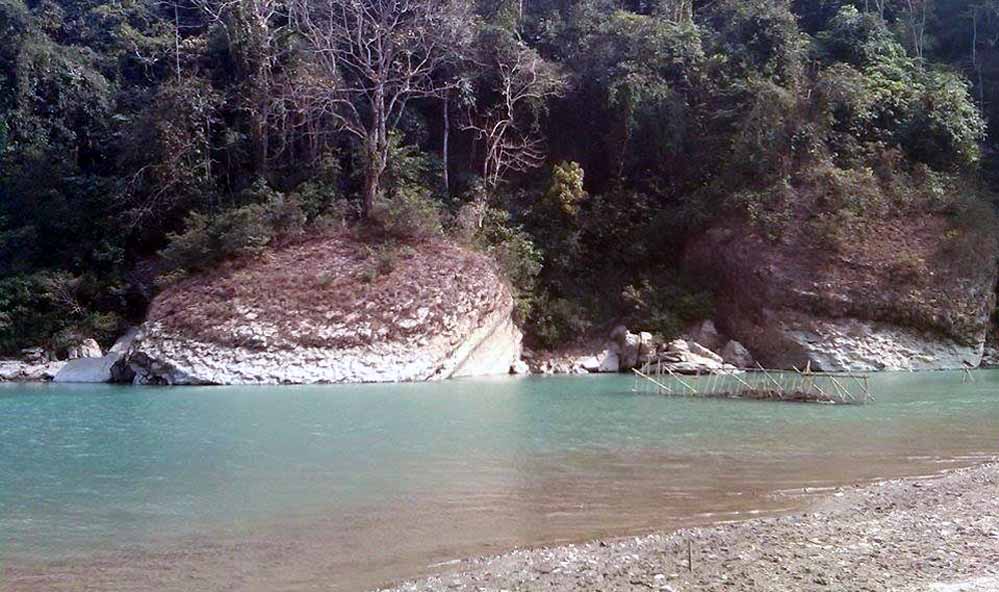
A journey 30 kilometres from Baghmara reveals India's third-longest cave system, where tens of thousands of bats guard secrets dating back 40 million years
By Travel Correspondent South Garo Hills, Meghalaya
The first thing that hits you isn't the darkness—it's the sound. A rustling, fluttering symphony of tens of thousands of wings. Then your headlamp catches them: bats. Everywhere. Clinging to limestone ceilings that glisten with moisture, swooping through passages carved over millennia by water and time.
Welcome to Siju Cave, locally known as Dobakhol—the Cave of Bats—where nature has spent 40 million years building an underground cathedral that still takes your breath away.
A CENTURY OF SCIENTIFIC FASCINATION
Perched on the banks of the Simsang River in South Garo Hills, this massive limestone cave system has captivated explorers since 1875, when Mr. Sanderson, Superintendent of the Government Kheddans, first ventured into its maze-like corridors. But it was the British Geological Survey's three-week expedition in January 1922 that put Siju on the scientific map.
Those early researchers documented over 102 species inhabiting the cave—a staggering diversity that made Siju one of the most thoroughly studied cave ecosystems in the Indian subcontinent. Today, it holds the distinction of being India's third-longest cave, though extensive sections remain unexplored, their secrets still locked in darkness.
Dr. Laishram Kosygin of the Zoological Survey of India, who led a recent expedition to the cave in 2024, says the comparison with 1922 data reveals troubling changes. "We recorded only 36 species this time, though we did find 11 new records," he explains. "Some species that were abundant a century ago have become rare or disappeared entirely."
WHERE GEOLOGY MEETS BIOLOGY
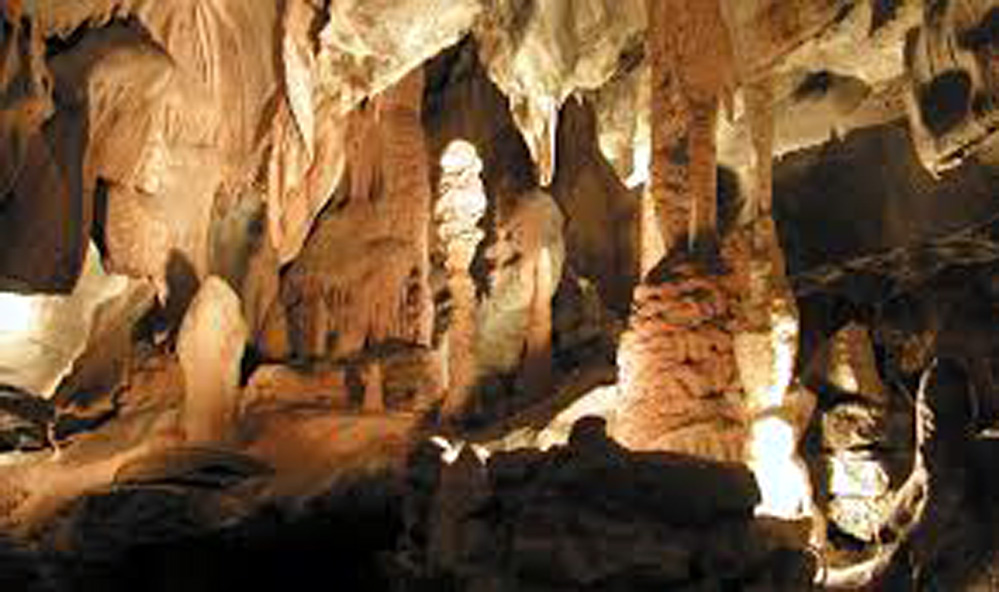
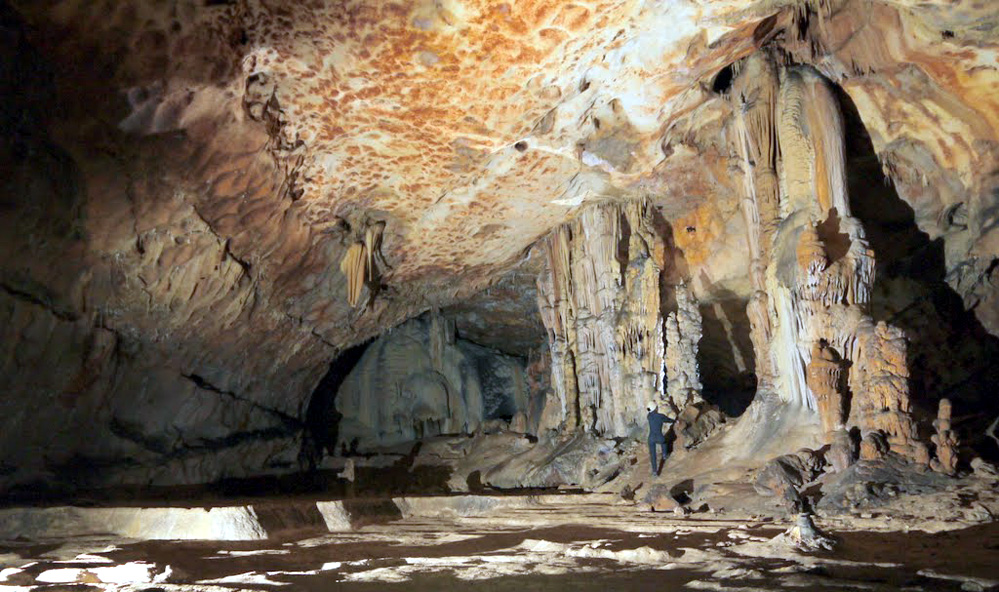
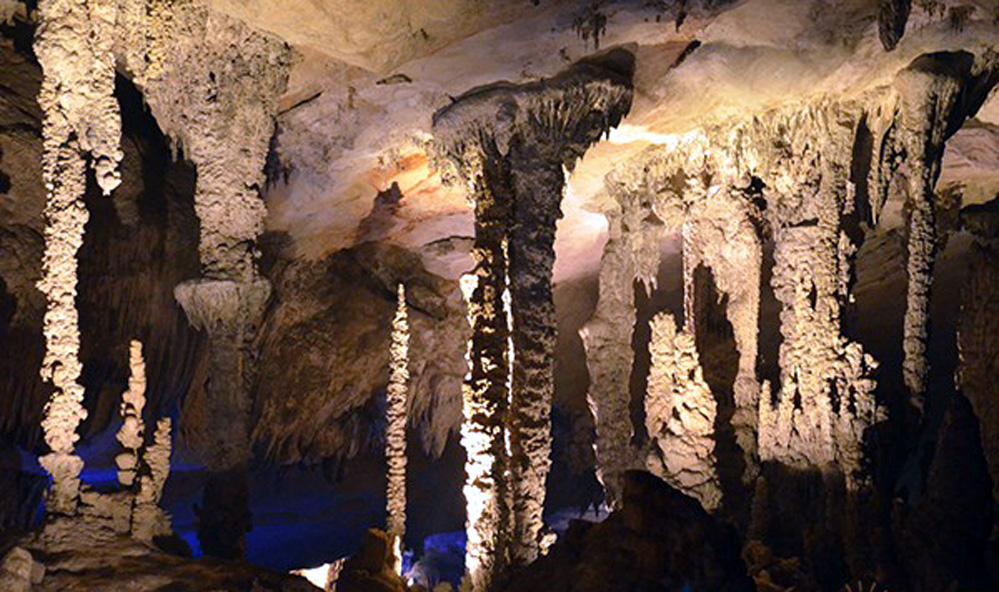
The cave itself is a geological marvel—a karst system carved from Middle Eocene limestone formations dating back 40 to 48 million years. Walk through its passages and you're literally stepping through time, past stalactites hanging like stone icicles and stalagmites rising from the floor like ancient pillars in some forgotten temple.
"The formations here are spectacular," says Viu, a local guide who has been leading tourists through Siju for over a decade. "But what most people don't realize is that every one of those stalactites took thousands of years to form. When tourists touch them, the oils from their hands stop the mineral deposits. That formation stops growing."
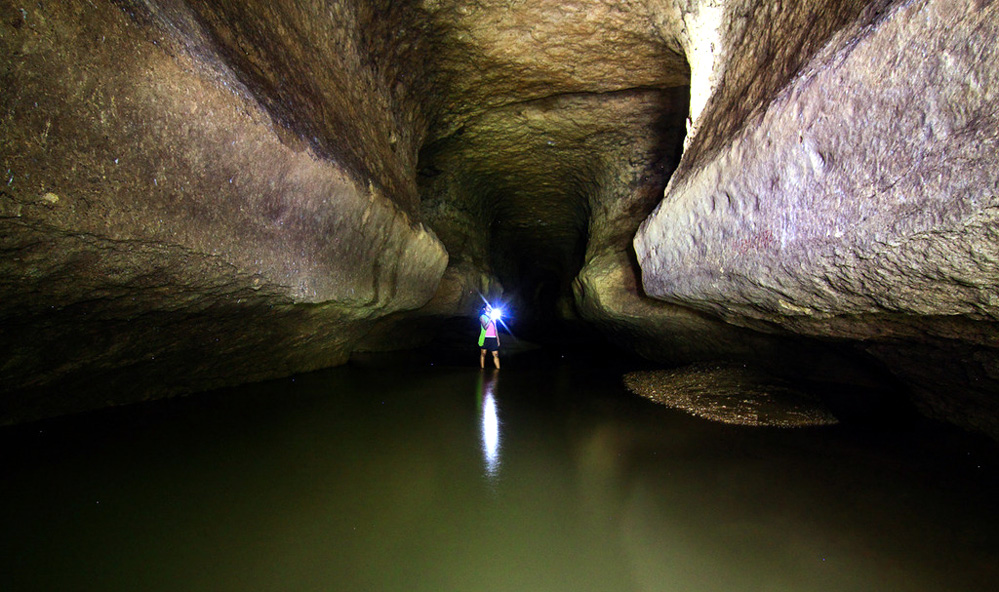
The cave extends roughly four to five kilometres into the hillside, though only about one kilometre is accessible to tourists. Underground streams still flow through certain passages—the same water that's been sculpting these chambers for millennia. During monsoon season from June to September, water levels can rise dramatically and without warning, making the cave dangerous to enter.
THE BAT KINGDOM
But it's the bats that truly define Siju. Research by Y.P. Sinha of the Zoological Survey of India documented multiple species, including the Indian Short-nosed Fruit Bat (Cynopterus sphinx), Little Horseshoe Bat (Rhinolophus subbadius), and Kelaart's Leaf-nosed Bat (Hipposideros lankadiva).
"People think bats are scary, but they're actually crucial," explains environmentalist Rongsa Awe, who visited the cave last year. "They pollinate plants, control insect populations, and their guano supports the entire cave ecosystem. Without them, this whole underground world collapses."
Meghalaya is home to 65 bat species—roughly half of India's entire bat diversity—making caves like Siju critical conservation sites. Yet the 2024 survey found bat populations had declined since historical records.
RARE FISH IN DARK WATERS
In 1987, scientists made another remarkable discovery: Schistura sijuensis, a rare species of cave loach found nowhere else on Earth. This small fish, now classified as endangered, represents an evolutionary snapshot—a species adapting in real-time to life in perpetual darkness.
"It still has eyes, unlike some fully cave-adapted fish," notes ichthyologist Dr. Neelesh Dahanukar, "which suggests the adaptation process is ongoing. In a few million years, who knows? It might lose those eyes entirely."
More recently, researchers documented the world's largest cave fish in Meghalaya's cave systems—a troglomorphic form related to the golden mahseer, weighing several kilograms and measuring over a metre long.
THE EXPLORER'S EXPERIENCE
Visiting Siju isn't for the faint-hearted. From Baghmara, the nearest town 30 kilometres away, the road winds through dense forest before reaching Siju village. There, mandatory local guides brief visitors on safety protocols before the descent begins.
"Siju is not a tourist trap where you take selfies and leave," warns travel blogger Maya Sharma, who documented her visit in May 2024. "You'll wade through water, crawl through narrow passages, and spend two hours in total darkness except for your headlamp. But that's exactly what makes it incredible."
The experience is immersive and visceral. Rough limestone walls scrape your shoulders in tight passages. Underground streams soak your boots. The air smells of damp earth and guano. And through it all, the bats—thousands upon thousands of them—create an otherworldly atmosphere that one visitor described as "the moment I felt like Batman."
Tripadvisor reviewer Ankit Desai wrote in 2025: "Carry waterproof shoes—the rocks are slippery. Overall, it was a great experience! Beautiful caves, around 1 km walkable inside. Shiny limestone rocks everywhere."
PLANNING THE JOURNEY
Getting There: From Guwahati (220 km), travel via Tura to Baghmara, then to Siju. The journey takes roughly 8-9 hours. From Shillong, it's about 285 kilometres through winding mountain roads.
Best Season: November to March, when the weather is dry and water levels are low. Avoid monsoon season (June-September) when flash floods pose serious risks and leeches make trekking miserable.
What to Bring: Headlamps with spare batteries (essential), waterproof trekking shoes, quick-dry clothing, waterproof bags for electronics, water, and energy snacks. Guides are mandatory and can be arranged through Baghmara or Siju village.
Where to Stay: Baghmara offers basic guesthouses (₹700-1,200 per night). For a more authentic experience, homestays near Siju village provide traditional Garo meals and cultural insights, with hosts who can arrange guides and transport.
Cost: Budget ₹4,000-5,000 per person for a two-day trip including transport, accommodation, food, guide fees (₹500-1,000 per group), and entry fees (₹20-200 depending on nationality).
BEYOND THE CAVE
The surrounding area offers additional attractions worth exploring. The Siju Bird Sanctuary, adjacent to the cave, harbours rare hornbills and kingfishers best spotted in early morning. The Simsang River provides opportunities for rafting, fishing, and swimming in designated zones during dry season.
Further afield, Nokrek Biosphere Reserve (50 km) protects red pandas and hoolock gibbons, while Balpakram National Park (60 km)—known as the "Land of Spirits" in Garo mythology—offers dramatic canyon vistas. Many visitors combine Siju with nearby Wari Chora, a recently discovered river canyon perfect for kayaking.
CONSERVATION CONCERNS
Yet Siju Cave faces mounting pressures. Tourism, while bringing economic benefits, also brings waste, noise disturbance to bats, and damage to formations. Limestone mining in nearby areas threatens the entire karst system. Climate change is altering rainfall patterns, affecting both cave hydrology and the species that depend on stable conditions.
"The comparison between 1922 and 2024 data is a wake-up call," says Dr. Kosygin. "We even found an eyeless cave cockroach—a new species showing advanced cave adaptation. But we're also losing species. If we don't manage tourism properly, if mining continues unchecked, we could lose something irreplaceable."
Local communities are responding. Guide cooperatives enforce strict no-littering rules. Sensitive breeding areas remain off-limits. Educational programs teach visitors about cave ecology and conservation.
"This is our heritage," says Viu, the guide. "Our grandparents' grandparents knew this cave. We want our grandchildren to know it too. But that only happens if visitors respect what they're seeing."
A LIVING LABORATORY
For scientists, Siju remains a treasure trove. Ongoing research examines how cave species adapt to extreme environments—findings that could inform everything from astrobiology to climate change resilience. Speleothem dating helps reconstruct paleoclimates stretching back thousands of years. Each expedition reveals new species or behaviours previously unknown to science.
The cave's research legacy spans over a century, from Stanley Kemp and Baini Prashad Chopra's pioneering 1922 survey (published in Records of the Indian Museum, Vol. 26) to cutting-edge genetic studies of endemic fish. This continuity of scientific attention makes Siju one of the best-documented cave ecosystems in Asia.
THE VERDICT
Siju Cave isn't easy to reach. The roads are rough, the facilities basic, the exploration physically demanding. But for those willing to make the journey, it offers something increasingly rare: a genuine adventure into one of Earth's last wild frontiers.
Standing in those vast chambers with bats wheeling overhead, limestone formations gleaming in your headlamp's beam, and the weight of 40 million years pressing down from above, you understand why researchers have been coming here for over a century. You understand why local guides speak of the cave with reverence. You understand that some places demand to be experienced, not merely visited.
Siju Cave is one of those places.
ESSENTIAL INFORMATION
Location: 30 km from Baghmara, South Garo Hills, Meghalaya
Distance from major cities: Guwahati (220 km), Shillong (285 km)
Best time: November-March
Entry: ₹20-200 (guide mandatory)
Duration: 1.5-2 hours inside cave
Difficulty: Moderate
Contact: Baghmara Tourism Office, +91-3639-222001
Safety Note: Never enter during monsoon. Water levels can rise without warning. Always follow guide instructions.
The writer travelled to Siju Cave in January 2026. Research support provided by Zoological Survey of India archives and Meghalaya Tourism.