God's Own Garden in the Heart of Meghalaya
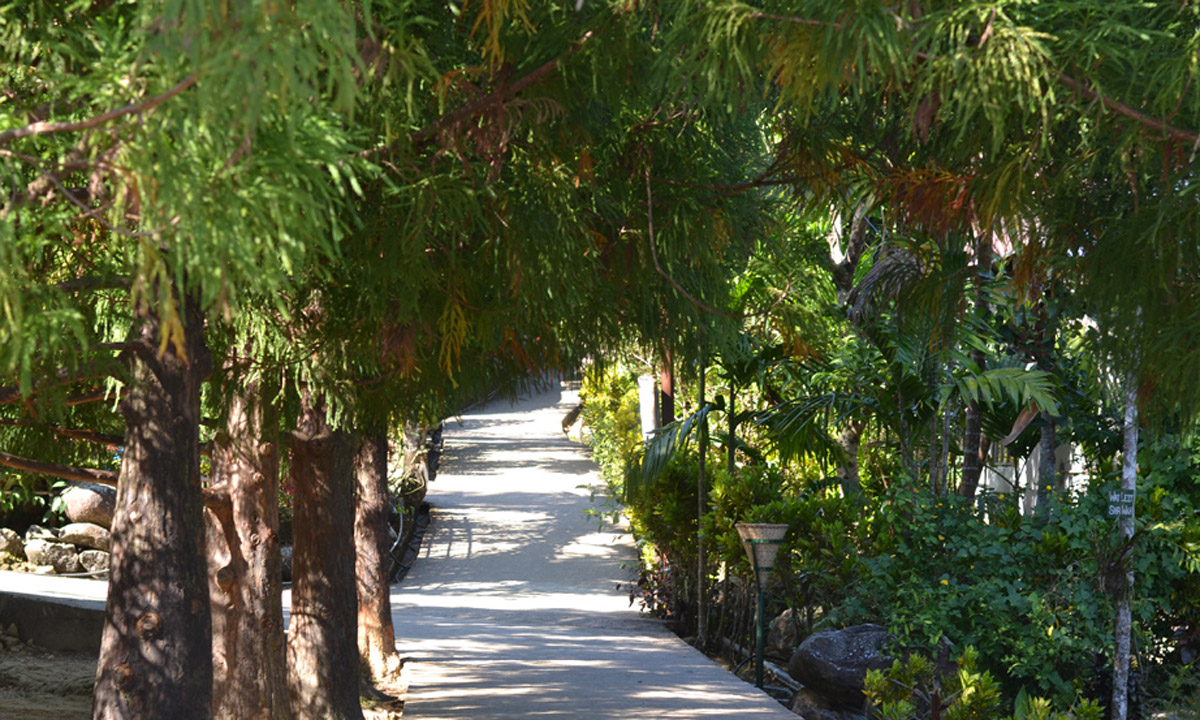
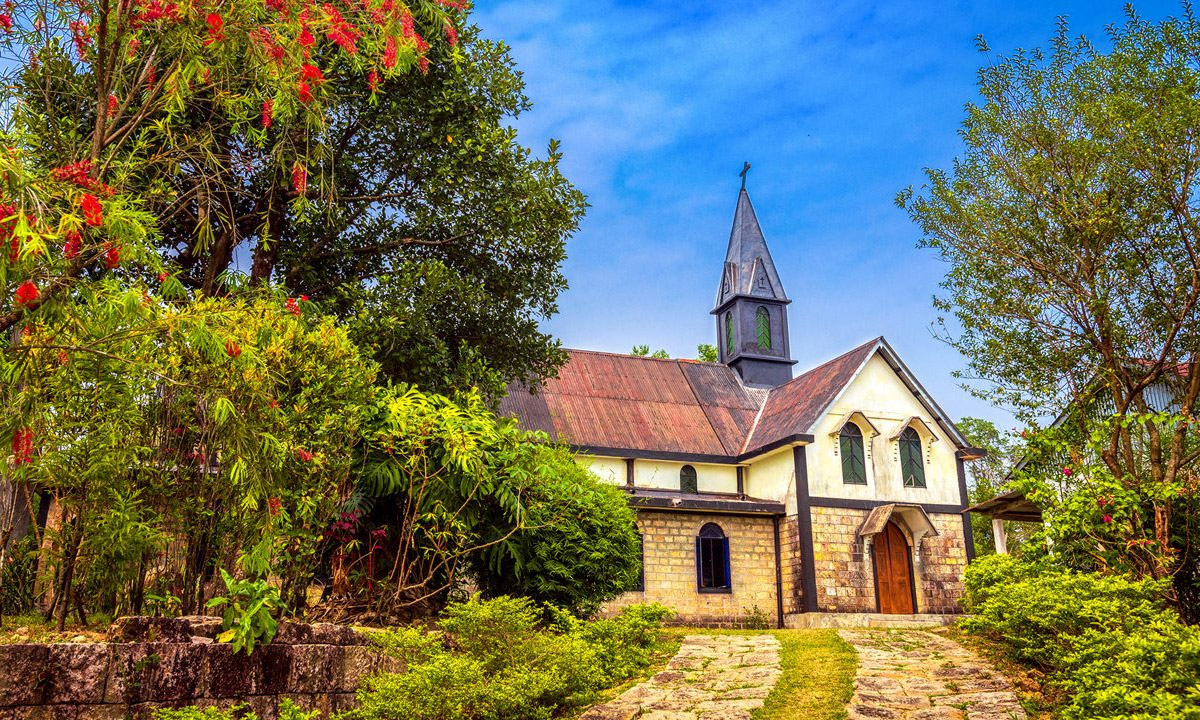
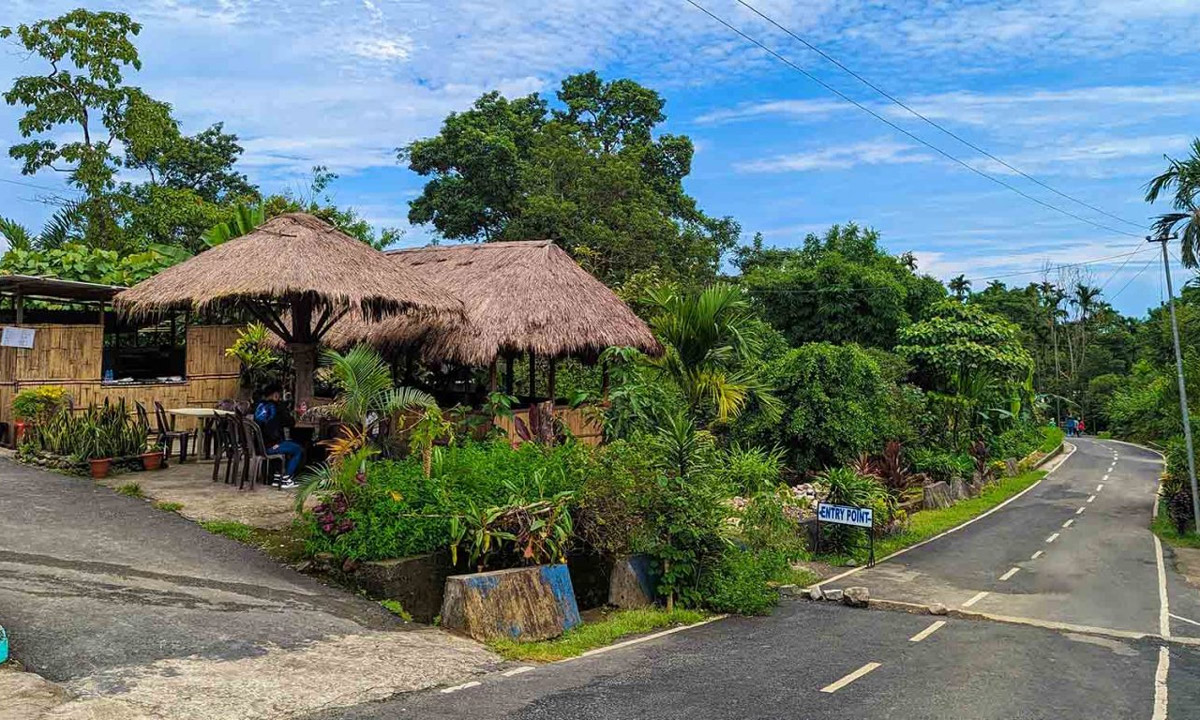
Tucked away in the lush hills of East Khasi Hills District, approximately 90 kilometers from Shillong, lies Mawlynnong – a village that has earned international acclaim as Asia's Cleanest Village. This pristine hamlet of around 600 residents has become a shining example of community-driven environmental stewardship, cultural preservation, and sustainable tourism. Affectionately known as "God's Own Garden," Mawlynnong represents what human settlements can achieve when cleanliness, education, and ecological consciousness become a collective way of life.
The Legacy of Cleanliness: A Village Transformed
Mawlynnong's journey to becoming Asia's cleanest village began long before it received formal recognition. The village's obsession with cleanliness is deeply rooted in its cultural ethos and was catalyzed by a tragic cholera outbreak in the past that claimed many lives. This devastating experience imprinted upon the community the critical importance of hygiene and sanitation.
In 2003, the village received the prestigious title of "Cleanest Village in Asia" from Discover India magazine, followed by the "Cleanest Village in India" award in 2005. These accolades transformed Mawlynnong from an obscure agricultural settlement into a global symbol of environmental excellence.
What makes Mawlynnong's achievement truly remarkable is not merely the absence of litter, but the sophisticated community-based waste management system that has been maintained for generations. Every street corner features handwoven bamboo dustbins – conical baskets crafted by local artisans from indigenous bamboo. These eco-friendly receptacles collect all waste, which is then segregated meticulously. Biodegradable waste is composted and used as manure for the village's agricultural plots, while other materials are recycled or disposed of responsibly.
The village operates under a strict plastic ban, and smoking is prohibited throughout the community. Drains are properly laid and maintained, and every resident – from children to elders – participates in daily cleaning activities. This isn't enforced by external authorities; it is a community mandate passed down through generations, reflecting the Khasi people's deep respect for their environment.
The Khasi Heritage: Matrilineal Society and Cultural Identity
Mawlynnong is predominantly inhabited by the Khasi tribe, one of the oldest matrilineal societies in the world. In Khasi culture, lineage, inheritance, and property pass through the female line. The youngest daughter, known as Ka Khadduh, inherits the family's ancestral property and assumes responsibility for caring for aging parents. This matrilineal system empowers women significantly, positioning them as leaders, decision-makers, and custodians of cultural traditions.
In Mawlynnong, girls are raised to be leaders from a young age, managing household affairs, participating in village councils, and driving economic activities. The village's progressive environment for women coexists harmoniously with traditional Khasi customs, creating a unique social fabric that balances modernity with heritage.
The Khasi language, culture, and traditional practices remain vibrantly alive in Mawlynnong. Villagers continue to observe Khasi festivals, perform traditional music and dance, and maintain sacred groves – small patches of forest protected by local deities and considered spiritually significant. These groves serve as biodiversity reserves and remind the community of their ancestors' ecological wisdom.
100% Literacy: Education as a Community Priority
Beyond cleanliness, Mawlynnong boasts another remarkable achievement: a 100 percent literacy rate. This stands in stark contrast to many rural areas across India and reflects the community's deep commitment to education. The village has its own English medium primary school, which maintains an impressive zero dropout rate.
Education is valued as the gateway to empowerment, particularly for women. Parents ensure that every child, regardless of gender, receives quality education. This emphasis on learning has enabled the younger generation to engage with the wider world while remaining rooted in their cultural identity. Many educated youth return to the village to contribute to its development, particularly in the tourism sector, where they serve as guides, homestay operators, and cultural interpreters.
Economic Foundations: Agriculture and Sustainable Tourism
Historically, Mawlynnong's economy has been based on agriculture, with betel nut (areca nut) cultivation serving as the primary cash crop. The village was once renowned for its abundance of hollowed-out rocks used to ferment Kwai (betel nut), which remains an integral part of Khasi social and cultural life. Villagers also grow betel leaves, bay leaves, pineapples, oranges, papayas, local spices, and pepper.
In recent years, tourism has emerged as a significant economic pillar. The influx of domestic and international visitors drawn by Mawlynnong's cleanliness and natural beauty has created new livelihood opportunities. Villagers have embraced community-based ecotourism, offering homestays, guided tours, and cultural experiences. These initiatives allow travelers to engage authentically with Khasi culture while ensuring that tourism revenue benefits the entire community rather than external operators.
Natural and Cultural Attractions
1. Sky View (Sky Watch) – Bamboo Observation Tower
One of Mawlynnong's most iconic attractions is the Sky View, an 85-foot-tall observation tower constructed entirely from bamboo and natural ropes. This eco-friendly ladder-like structure offers visitors a bird's-eye view of the village and the surrounding landscape. On clear days, one can see far into the plains of Bangladesh, which lies just a few kilometers away. The tower stands as a testament to indigenous engineering and the Khasi people's harmonious relationship with bamboo, a versatile material central to their architecture and crafts. Trawell.in
Climbing the Sky View is an exhilarating experience – the bamboo structure sways gently in the breeze, adding an element of adventure. From the square platform at the summit, visitors are rewarded with panoramic vistas of rolling green hills, emerald forests, neatly arranged village homes, and the distant horizon where India meets Bangladesh.
2. Nohwet Living Root Bridge
Just a short trek from Mawlynnong lies the Nohwet Living Root Bridge in the nearby village of Riwai. This single-decker bridge is an extraordinary feat of bio-engineering, created over generations by training the roots of the Ficus elastica (rubber fig tree) to grow across streams. The Khasi people have perfected this ancient technique, weaving and shaping aerial roots into sturdy bridges that grow stronger with time.
The trek to the Nohwet Bridge involves descending approximately 75 steps through lush forest, crossing small streams, and navigating scenic trails. The bridge itself is functional and robust, capable of supporting multiple people simultaneously. Walking across this living structure – feeling the intertwined roots beneath your feet – is a humbling experience that connects visitors to centuries of indigenous knowledge and ecological ingenuity.
3. Balancing Rock
Another geological curiosity near Mawlynnong is the Balancing Rock, a massive boulder that appears to defy gravity as it rests precariously on a smaller stone base. This natural formation has become a popular photo spot and a symbol of nature's whimsical artistry. The area around the Balancing Rock is ideal for trekking, rappelling, and exploring caves, attracting adventure enthusiasts.
4. Dawki and the Umngot River
Located approximately 20 kilometers from Mawlynnong, Dawki is a small border town on the India-Bangladesh frontier, famed for the Umngot River – one of the clearest rivers in India. The water is so transparent that boats appear to float on air, creating surreal photographic opportunities. Visitors can enjoy boating, cliff diving, and simply marveling at the river's crystal-clear depths, which reveal every pebble on the riverbed.
Dawki is often combined with a visit to Mawlynnong as part of a day trip from Shillong, offering travelers a holistic experience of East Khasi Hills' natural wonders.
Community-Based Tourism and Homestays
Mawlynnong has successfully integrated tourism into its cultural and environmental fabric without compromising its core values. Homestays run by local families offer visitors an authentic glimpse into Khasi life. Guests sleep in traditional homes, share meals prepared with locally sourced ingredients, and participate in daily activities like fetching water, tending gardens, or weaving bamboo crafts. Mawlynnong Homestays
These homestays are modest yet comfortable, with clean facilities and warm hospitality. Hosts often share stories about the village's history, explain Khasi customs, and guide visitors to nearby attractions. This model ensures that tourism revenue flows directly to families and reinforces the community's commitment to preserving their heritage.
Planning Your Visit to Mawlynnong
How to Reach:
- From Shillong: Mawlynnong is approximately 90 kilometers from Shillong, accessible via a scenic 2.5 to 3-hour drive through winding mountain roads. The route passes through Pynursla and offers stunning views of waterfalls, forests, and valleys. Shared taxis and private cabs are available from Shillong.
- From Guwahati: Guwahati, the nearest major city with an airport and railway station, is around 135 kilometers from Mawlynnong (via Shillong). Travelers can hire taxis or take buses to Shillong and then proceed to Mawlynnong.
- Combine with Dawki: Many travelers visit both Mawlynnong and Dawki in a single day trip from Shillong, covering approximately 20 kilometers between the two destinations.
Best Time to Visit:
- October to April is ideal, offering pleasant weather, clear skies, and comfortable temperatures for trekking and sightseeing.
- June to September (monsoon season) brings heavy rainfall, which enhances the lushness of the landscape and swells the rivers, but roads can become slippery and challenging.
What to Bring:
- Comfortable trekking shoes for walks to the Living Root Bridge and Balancing Rock
- Light, breathable clothing; a light jacket for cooler evenings
- Reusable water bottles (avoid single-use plastic)
- Camera for capturing the pristine scenery
- Respect and openness to learn about Khasi culture
Cultural Sensitivity and Responsible Tourism:
- Respect the plastic ban: Do not bring plastic bags, bottles, or wrappers into the village. Use the bamboo dustbins provided.
- Participate in cleanliness: If you see litter (unlikely), dispose of it properly. Join in the community's cleanliness ethos.
- Seek permission before photographing: Always ask locals before taking their pictures, especially during cultural activities.
- Support local businesses: Purchase handicrafts, eat at local eateries, and stay in homestays to ensure your visit benefits the community.
- Respect sacred sites: If you visit sacred groves or religious spaces, follow local customs and avoid disturbing the environment.
Testimonies: Voices from Mawlynnong
Visitors and researchers consistently praise Mawlynnong for its exemplary community spirit. An NPR article (2017) noted: "Welcome to 'The Cleanest Village in India'... With a population of around 500, Mawlynnong is nicknamed 'God's Own Garden' with tidy lanes and an emphasis on cleanliness that is unmatched." NPR
A New York Times feature (2018) highlighted how cleanliness became a tourist attraction, stating: "Mawlynnong proves that women empowerment and 100 percent literacy rate, both are achievable... The village demonstrates how clean living can attract visitors while preserving cultural identity." New York Times
Local resident testimonies emphasize collective responsibility. One villager shared: "Cleanliness is not a chore here; it is our identity. From childhood, we are taught that our environment is sacred, and it is our duty to protect it."
Challenges and the Road Ahead
While Mawlynnong's success is inspiring, it faces challenges typical of rapidly growing tourist destinations. The influx of visitors, while economically beneficial, risks straining infrastructure and diluting cultural authenticity. Overcrowding during peak seasons can pressure waste management systems and natural attractions.
The village's leadership, in collaboration with state tourism authorities, is working to manage tourism sustainably. Initiatives include limiting daily visitor numbers, promoting off-season travel, and investing in better sanitation facilities. Education programs ensure that young residents understand the importance of maintaining their heritage even as the world increasingly takes notice.
Lessons from Mawlynnong: A Blueprint for Sustainable Development
Mawlynnong offers valuable lessons for communities worldwide:
- Collective Action: Environmental stewardship requires the participation of every community member, not just government intervention.
- Cultural Pride: A strong sense of cultural identity and pride drives sustainable practices.
- Education Empowers: Literacy and education enable communities to engage with modernity while preserving traditions.
- Women's Leadership: Empowering women leads to better governance, cleaner environments, and more cohesive communities.
- Eco-Tourism as Economic Engine: When done responsibly, tourism can provide livelihoods without compromising ecological or cultural integrity.
Conclusion: God's Own Garden Awaits
Mawlynnong is more than a tourist destination; it is a living testament to what humanity can achieve when environmental consciousness, cultural pride, and community solidarity converge. Walking through its spotless lanes, climbing the bamboo Sky View, trekking to the Living Root Bridge, and sharing stories with Khasi families offers a transformative experience that lingers long after you leave.
As Asia's Cleanest Village, Mawlynnong challenges us to rethink our relationship with the environment and each other. It reminds us that sustainability is not a distant ideal but a daily practice rooted in respect, responsibility, and resilience. Whether you seek inspiration, adventure, or simply a moment of peace in God's Own Garden, Mawlynnong welcomes you with open arms and a promise: to show you the beauty that emerges when a community lives in harmony with nature.
Plan your journey to Mawlynnong – and discover a village that is cleaning up the world, one bamboo dustbin at a time.
References: